
Blog, Page 10

List of articles

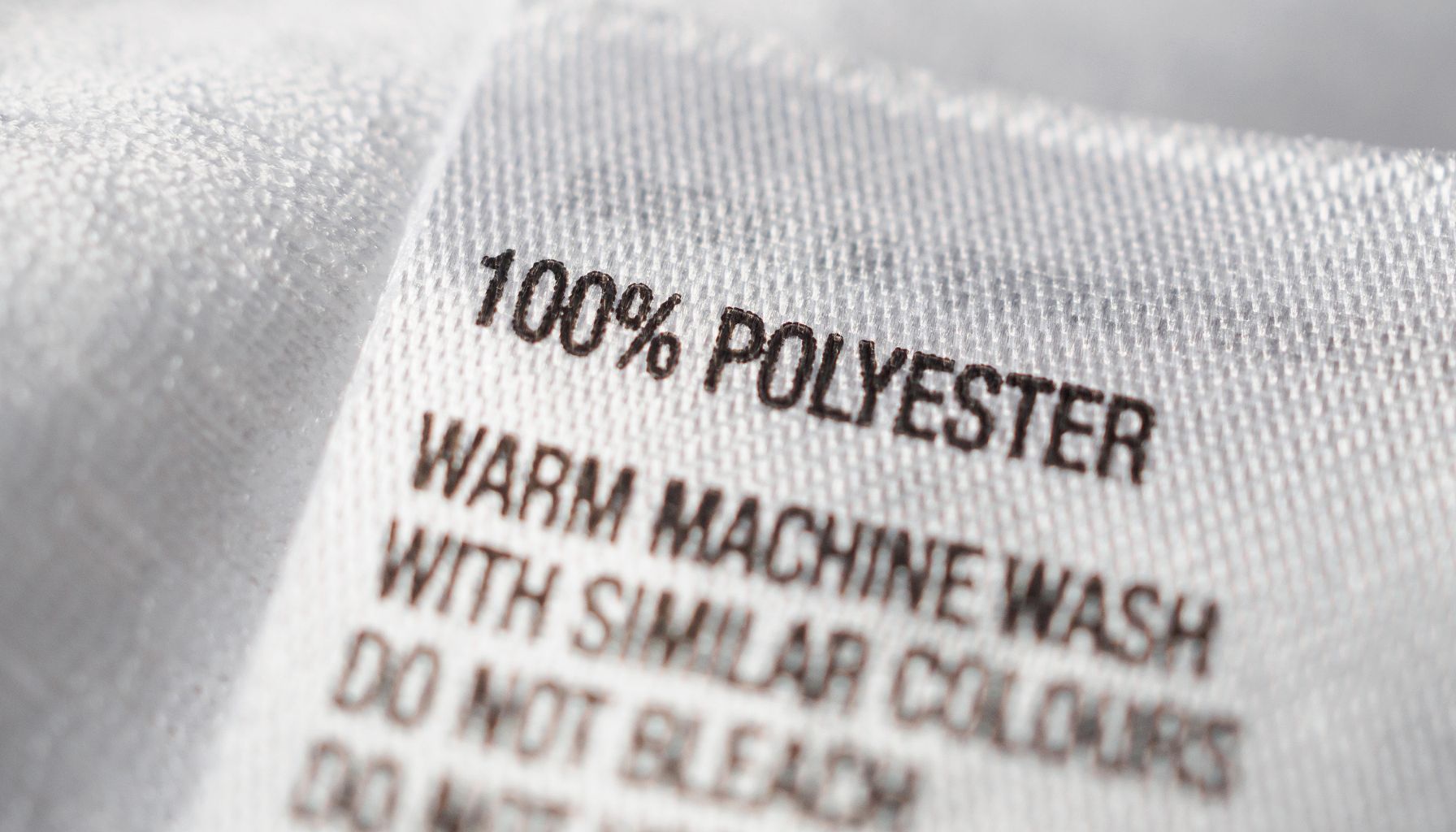
How to wash polyester?

Polyester is one of the most popular materials in modern fashion because it’s lightweight, durable, and quick-drying. But to keep your polyester clothing looking great and lasting longer, proper care is key. Learn how to extend the life of your polyester garments while making sure they always look as good as new.


Preparation before washing: Small steps, big impact

Before washing, check your clothes. Turn them inside out to minimize damage to prints or colours. Close any zippers, hook-and-loop fasteners or buttons to prevent snags. These simple steps help protect the fibre structure during washing.


What wash cycle is best?

Polyester doesn’t require high temperatures to get clean. Choose a gentle wash cycle with water temperatures between 30 and 40 °C. This is ideal for preserving colours and fabric elasticity. Use a mild detergent free from harsh chemicals. Following the care label is key – the manufacturer knows what’s best for your clothes..
 

Proper drying of Polyester


Drying polyester

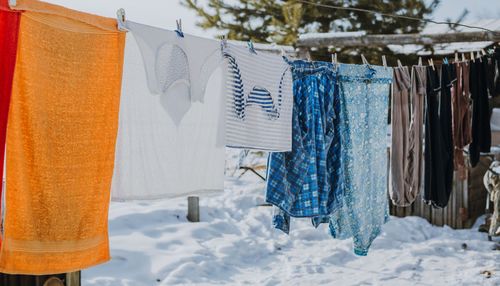
After washing, gently spin or select a low-spin cycle. Polyester dries quickly, so it’s best to air dry. Hang it on a drying rack or hanger to help maintain its shape. Avoid tumble dryers, as high heat can damage the fibres and cause deformation.


Long-term care

Avoid using bleach and harsh cleaning agents that can weaken fibres and cause colour fading. If you need to iron polyester, set your iron to a low temperature and use a protective layer, such as a thin cotton cloth. With the right care, your polyester clothing will stay fresh and functional for a long time.

Washing polyester properly is easy if you follow a few basic rules. Thanks to gentle washing, suitable drying and mindful care, your polyester clothing will maintain its colour, strength, and comfort for many seasons.

 

How to remove resin from clothes?

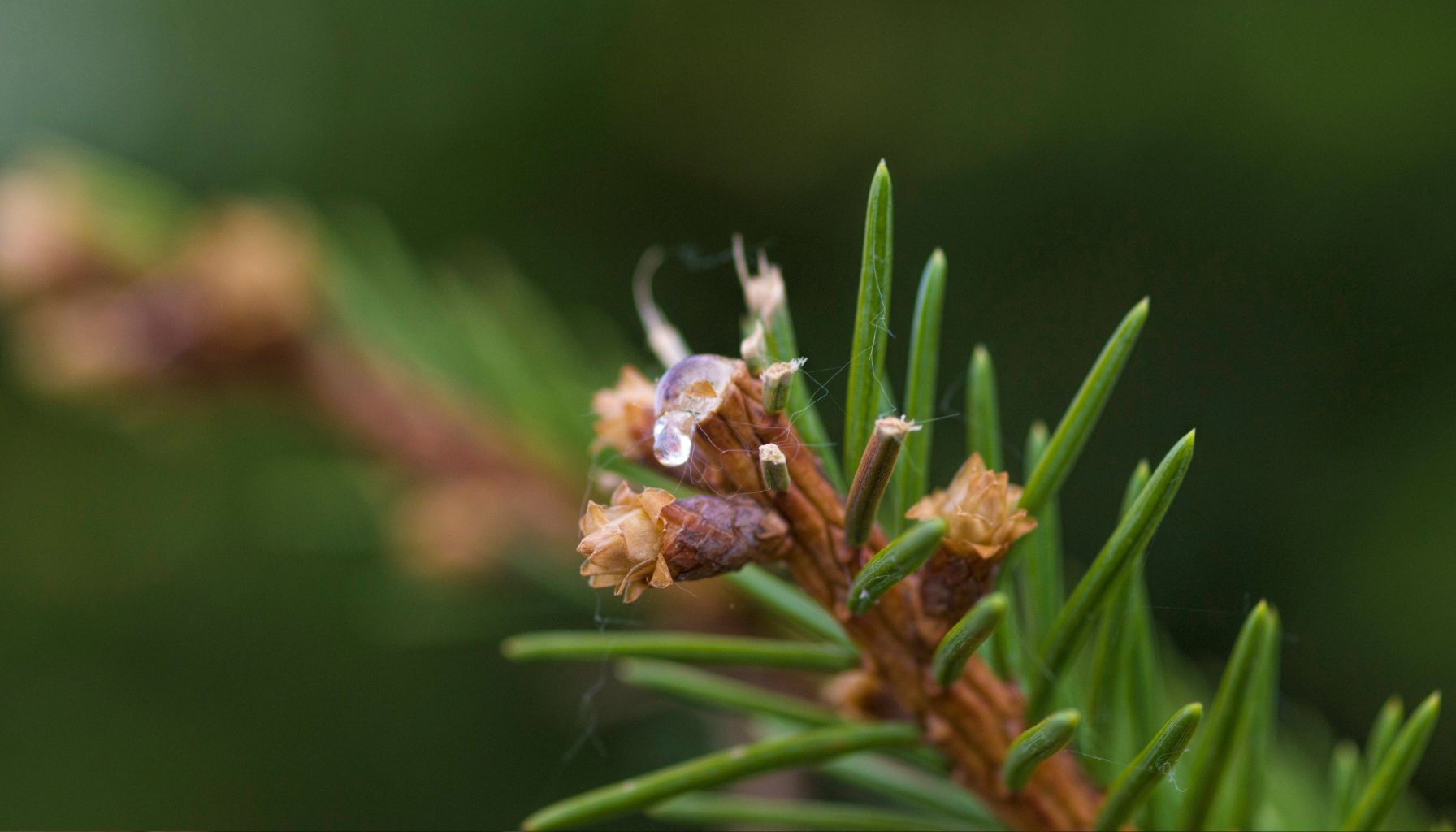
Resin on clothing can be a real nuisance. This sticky substance can leave stains that seem almost impossible to get rid of. If you’ve found yourself in this situation and aren’t sure what to do, don’t worry. There are several effective methods we’ll show you to help remove resin from your clothes and restore their perfect appearance.


Preparation before cleaning

Before starting any cleaning, it’s important to let the resin on the clothing harden. This step ensures the resin doesn’t spread further into the fabric. The easiest way is to place the garment in the freezer for a while. Once the resin hardens, gently scrape it off with a dull knife or a plastic card. Be careful not to damage the fabric fibres.


Using natural oils or alcohol

One tried-and-true method is to use natural oils, like olive oil, which help dissolve the remaining resin. Apply a small amount to the stain, let it sit for a moment, and then rinse with warm water. If you prefer stronger cleaners, try isopropyl alcohol. Alcohol breaks down the resin effectively, but be cautious not to damage the fabric colour. Always test alcohol on a less visible area first.


Power of laundry detergent

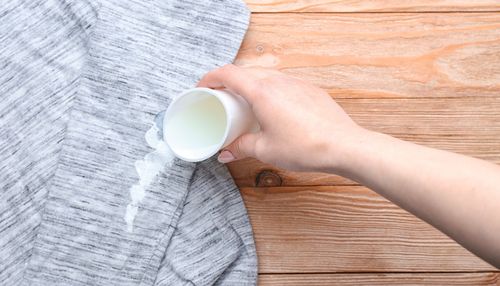
If the resin is still present, use a quality stain-removing detergent. Apply it directly to the affected area, gently rub it in, and let it work for a few minutes. Then wash the garment according to the care label instructions. If the stain is stubborn, repeat the process until it disappears.


The power of detergent against resin


How to avoid damaging your clothes?

When removing resin from clothing, it’s important to be patient. Never use sharp tools or apply excessive force, which could damage the fabric. If you’re unsure whether the material can handle a certain method, consult an expert or visit a dry cleaner.


Conclusion

Knowing how to remove resin from clothes can save your favourite pieces from being ruined. Just follow the right steps, stay patient, and your clothes will be as good as new. With these tips, you don’t have to fear resin stains anymore and can fully enjoy your outdoor adventures worry-free.


How to Remove Mold from Clothing?

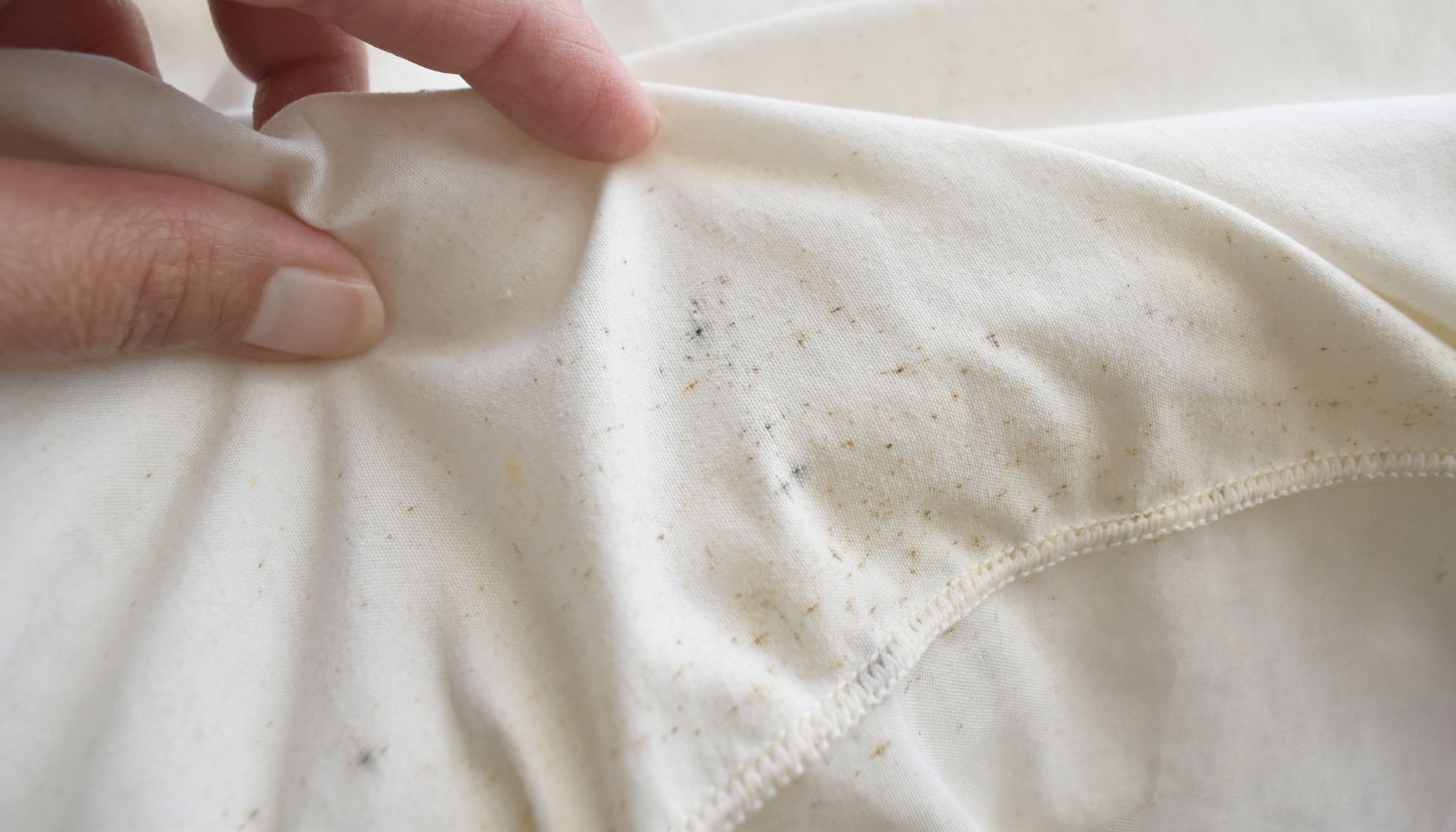
Mold on clothing can be a really unpleasant problem, but with effective methods it can be removed and your clothes can be saved from damage. In this article, you’ll learn how to remove mold from clothes and how to prevent it in the future.


Identifying and Preparing Your Clothes

First, carefully check all your clothing. If mold is visible on the surface, gently brush it off with a soft brush. Do this step outside to prevent mold spores from spreading indoors. Air out the clothes afterwards to get rid of any unpleasant odors and mold residues.


Using Natural Remedies

White vinegar is one of the most effective solutions for removing mold. Prepare a mixture of vinegar and water in a 1:1 ratio, apply it to the affected area, and let it sit for 15 to 20 minutes. Then wash the garment according to the care label. Lemon juice is an alternative, which not only removes mold but also leaves clothes smelling fresh. After these methods, hang your clothes out in the sun - UV rays destroy mold spores and bacteria.


Washing at Higher Temperatures

If the material allows, wash the clothes at a temperature of at least 60 degrees. Higher temperatures help destroy mold spores and prevent further spreading. Use a good-quality laundry detergent with ingredients for removing mold and unpleasant odors. For delicate fabrics, choose a gentle washing cycle at a lower temperature.


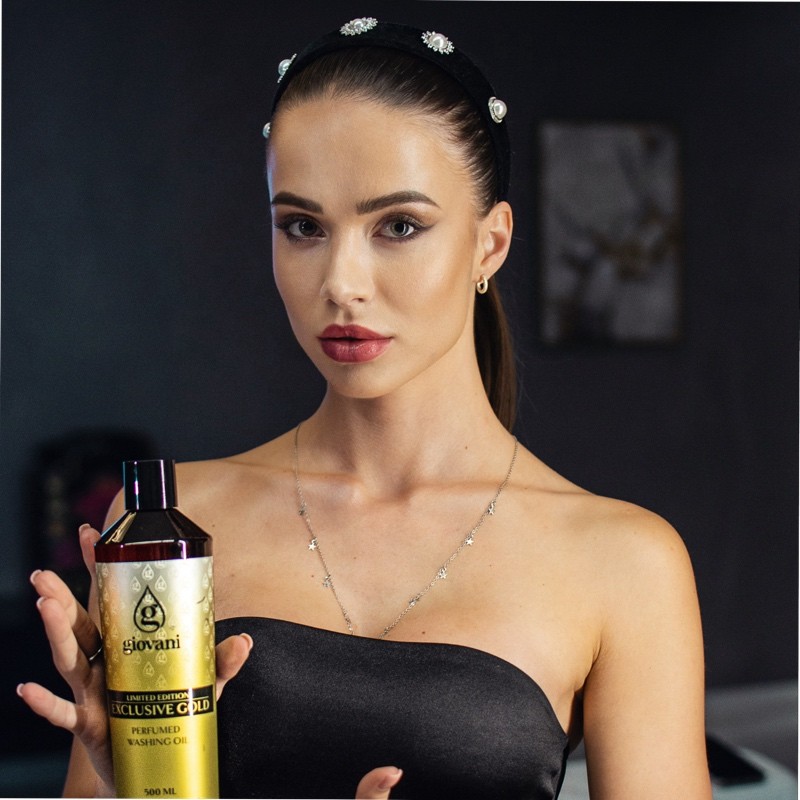
Laundry detergents Giovani


Preventive Measures

Preventing mold is much easier than removing it. Make sure you store your clothes in a dry place with proper ventilation. Use dehumidifiers or moisture absorbers to keep wardrobes dry. Never store clothes that are damp or not fully dried.


Conclusion

Knowing how to remove mold from clothes will help you keep their quality and extend their lifespan. With regular care, proper storage, and tried-and-true methods, you can avoid mold coming back, and your clothes will look like new again.


Which colours can be washed together?

Sorting laundry by colour correctly is essential for extending its life and preserving the original colour intensity. If you're unsure which colours can be washed together, you may run into issues like colour bleeding or loss of freshness. Here are a few tips that will help you avoid these common mishaps.


Protection against color transfer


How to prevent colour bleeding?

Using colour catcher sheets is a simple way to protect your clothes from unwanted colour transfer. If you’ve bought new clothing with bold colours, it’s best to wash it separately first to check whether it bleeds.


Colour sorting

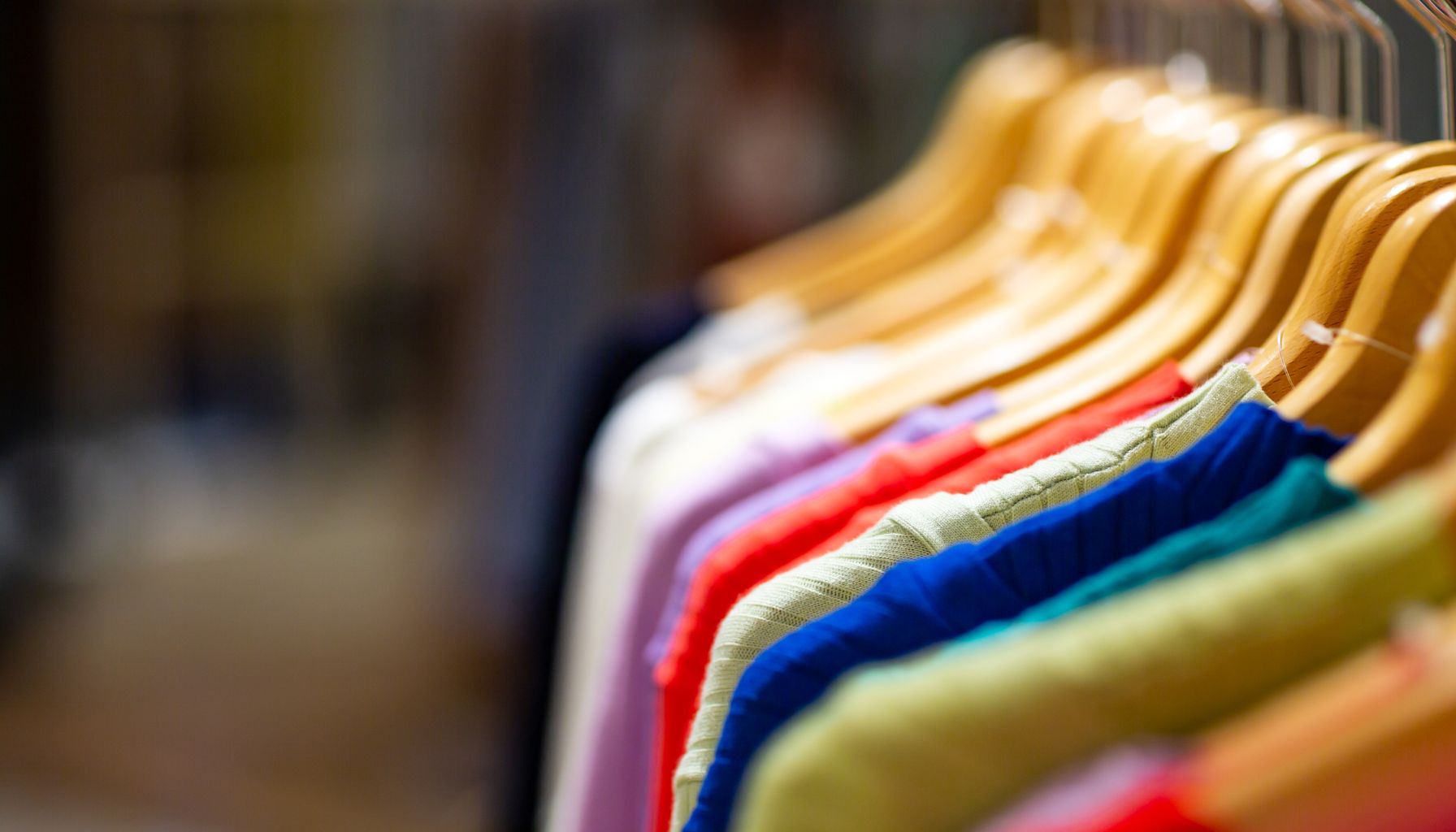
Always wash white laundry separately to keep it bright and clean. Light shades, such as pastels, should be washed separately from dark colours that may release dye. Dark clothing, like black or navy blue, should always be washed on its own to prevent staining lighter items.


Combining similar shades

When washing coloured clothes, it’s best to combine similar shades. Light colours like blue, green, and yellow can go together. On the other hand, dark shades like black and deep navy should be washed separately. If you're unsure, test if the fabric bleeds colour.


Temperature and correct programme

Wash coloured clothes at 30–40 °C to help preserve colour intensity. Delicate fabrics and printed clothing usually require gentle washing cycles. Follow the care label instructions to avoid damaging your garments.


Correct temperature and program

How to keep colours fresh?

Use detergents specially designed for coloured clothing that help preserve the vibrancy of the colours. Avoid using bleach, which can weaken the fibres and cause fading. Air drying is gentler on clothes and helps them retain their original look.

If you're unsure, stick to the basic rule: always wash white, light, and dark clothes separately. This simple step will help keep your clothes clean, fresh, and free from unwanted colour stains.


What to Wash at 60 Degrees

Washing at higher temperatures, such as 60 degrees, plays an important role in clothing care. This temperature is ideal for removing stubborn dirt and bacteria, making it a popular choice especially for certain types of textiles. If you want to know what to wash at 60 degrees, here are some useful tips.


Bedding and Towels Require Higher Temperatures

Bedding, towels, and similar textiles are among the most commonly washed items at 60 degrees. This temperature effectively removes bacteria and dust mites that can accumulate in these fabrics. Using a suitable detergent will also ensure your laundry stays fresh and hygienically clean.


Cotton and Durable Materials

Stronger cotton fabrics such as tablecloths, dish towels, or workwear can easily handle washing at 60 degrees. This temperature removes stains from oil, grease, or other heavy soiling that lower temperatures often can’t. Choose a wash cycle designed for cotton to help your clothes keep their shape and strength.


Children’s Clothing and Textiles Sensitive to Hygiene

Children’s clothing, especially nappies or underwear, should be washed at 60 degrees. This is the best choice for thorough hygiene and eliminates bacteria that could irritate children’s sensitive skin. With these materials, it is important to choose gentle, hypoallergenic detergents.


How to Sort and Wash Properly

When washing at higher temperatures, sorting your laundry is essential. Wash light and dark textiles separately to prevent unwanted color transfer. Use quality laundry detergents that tackle stubborn stains and protect the fibers from wear. Always check the care label on your clothing before washing to avoid accidental damage.

Sorting and washing clothes


Why Choose 60 Degrees?

Knowing what to wash at 60 degrees is helpful not only for hygiene but also for keeping your textiles in top condition. This temperature is an ideal combination of effective cleaning and proper care for fabrics that need deeper washing. If you stick to the right routine, your laundry will stay clean, fresh, and perfectly maintained.


What is suitable to wash at 40 degrees?

Washing at 40 °C is a common choice that protects clothing while effectively removing dirt. This temperature is ideal for everyday textile care, provided you follow the right guidelines. Let’s take a look at what is suitable to wash at 40 degrees and how to preserve fabric quality in the process.


Sorting and color protection

To prevent fading or color bleeding, sort your laundry by color. Wash light-colored items separately from dark ones. Use a liquid detergent that dissolves well at lower temperatures and does not leave residue on fabrics.


Delicate materials

Polyester, viscose or blended fabrics are suitable for washing at 40°C. Always check the care label to avoid damage. This temperature is gentle and helps maintain the elasticity and quality of delicate materials.


Everyday and sports fabrics


Everyday clothing and sportswear

Cotton T-shirts, blouses, trousers or underwear fall into the category of garments that can be easily washed at 40 °C. This temperature is also ideal for sportswear and functional fabrics, if the label allows it. It ensures that regular dirt and odors are removed while keeping the structure and color of your clothes intact.


Bed linen and towels

Washing bed linen and towels at 40°C is sufficient unless they are heavily soiled. For extra hygiene, you can add a detergent with disinfecting properties, which eliminates bacteria even at this temperature.


Effective washing

Don’t overload the washing machine and choose the appropriate cycle. For delicate fabrics, use a gentle program, and for regular clothing, opt for a shortened wash cycle. This way, you’ll save water and energy while still achieving great results.

Knowing what is suitable to wash at 40 degrees will help you maintain fabric quality and extend the lifespan of your clothing. This temperature is practical and gentle for most textiles, especially when combined with proper sorting and detergent.


Listing controls

77 items total
Top