
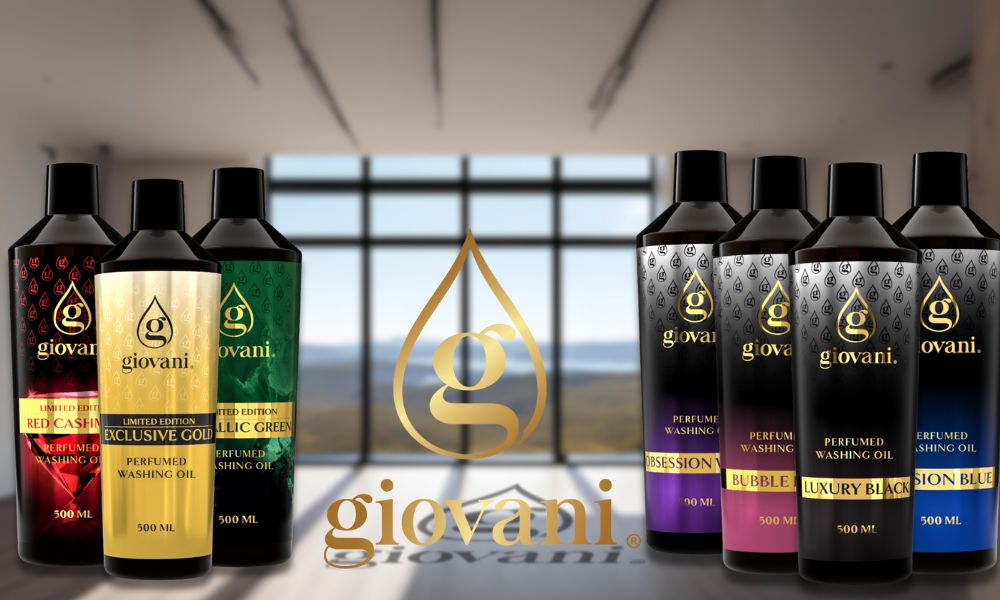
There are many different brands of laundry perfume or fabric softener, and each of us wants to choose only the most effective and highest quality. But how to choose from the wide range of products on the market? We will show you why the Giovani® brand is the best choice. The fabric softeners are weak and their scents are common. Obviously, when you visit our website, you are looking for the most fragrant fabric softener substitute with beautiful perfume scents. Why Giovani®?
The most intense and long-lasting laundry perfumes on the market
In the early days of developing our laundry perfumes, we first focused on testing existing brands. We tried a very large number of different Italian laundry perfumes, approximately 30 brands. We found that none of them had the desired fragrance intensity or lasting power, which was exactly what we wanted to avoid. So we decided to create our own brand and our own products. We didn't just want to redistribute an existing and unsatisfactory Italian brand of poor quality and efficacy. Months of preparation and development followed in collaboration with perfumers and specialist manufacturers. Mixing perfumes is a difficult alchemy, and we are grateful to have had a team of such experts at our disposal during the development process.
In developing our brand and our washing oils, we have placed particular emphasis on high quality, long-lasting fragrance and intensity. We wanted to bring an exceptional and memorable product to the market, and we have succeeded. Giovani® laundry perfumes are highly concentrated with the finest perfume essences, which guarantees their unique and long-lasting fragrance.
|
Cost-effective Laundry perfumes are used similarly to fabric softeners, but the big difference is in the dosage. Baby fabric softener, athlete's fabric softener, hypoallergenic fabric softener... While ordinary fabric softener rarely meets our expectations and criteria, Giovani® laundry perfumes are perfect in every way and can be used on any type of clothes, dirt and odor. At our recommended dosage, 500ml of Giovani® laundry perfume will last you up to 100 washes. Our recommended dosage is 5ml per 4kg of laundry. However, the volume can be increased or decreased according to the expected fragrance intensity. |
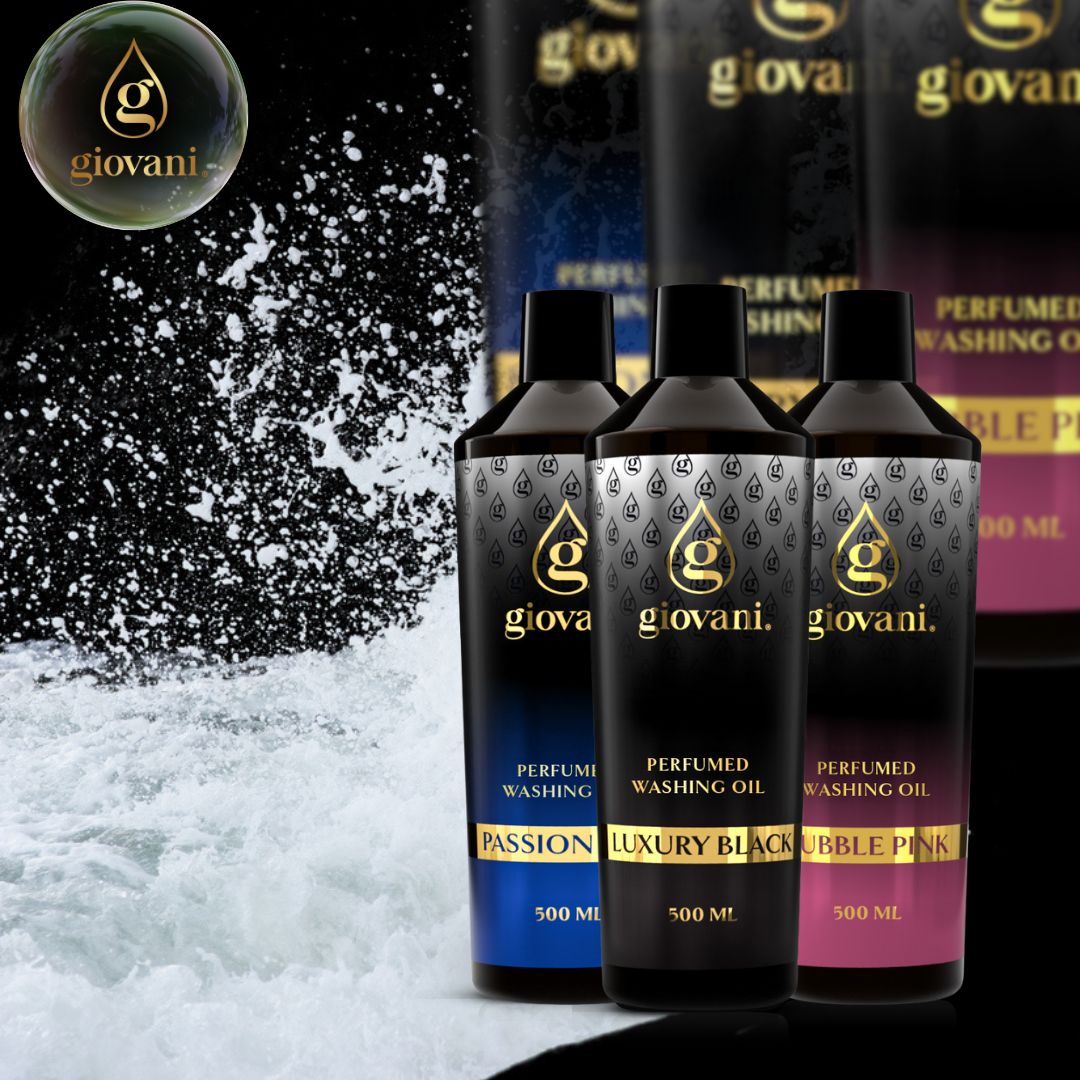
Cruelty free is a stand for animal rights that has inspired many brands to adopt ethical practices. If a product is labelled Cruelty free it means that the product has not been tested on animals. Giovani® products boast this label. Our products have never been tested on animals.
While Cruelty free products allow the use of materials that come from animals such as beeswax, honey or lanolin. Vegan products also give importance to the ingredients in the product. These products do not contain any ingredients of animal origin. This means that they do not contain substances such as collagen or keratin. Giovani® products are vegan.
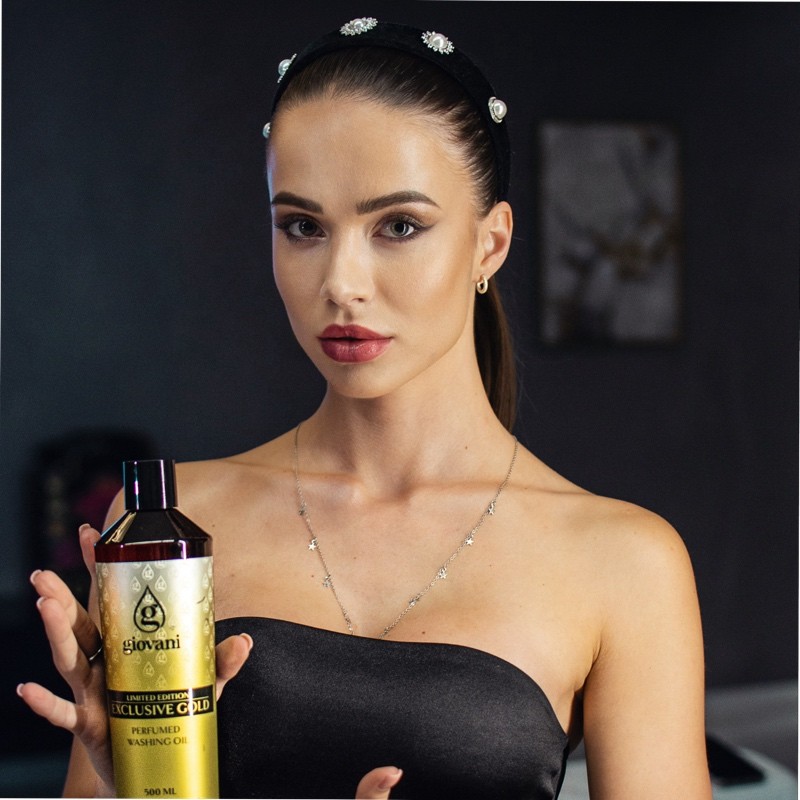
The packaging of a product is the first thing a customer notices when coming into contact with the product. Therefore, it is important that its appearance is unique and designer. Our laundry perfumes are packaged in elegant and stylish packaging that attracts attention and also reflects their quality and luxury. The design of the packaging is thought out in every detail, from the choice of materials to the graphic elements and colours. Each package is the result of the meticulous work of our designers, who pay attention to both aesthetics and functionality. The practical shape and ergonomic design allow for easy handling and storage. With our laundry perfumes, customers don't just choose an exceptional fragrance, but also a piece of design art that enriches the overall product experience.
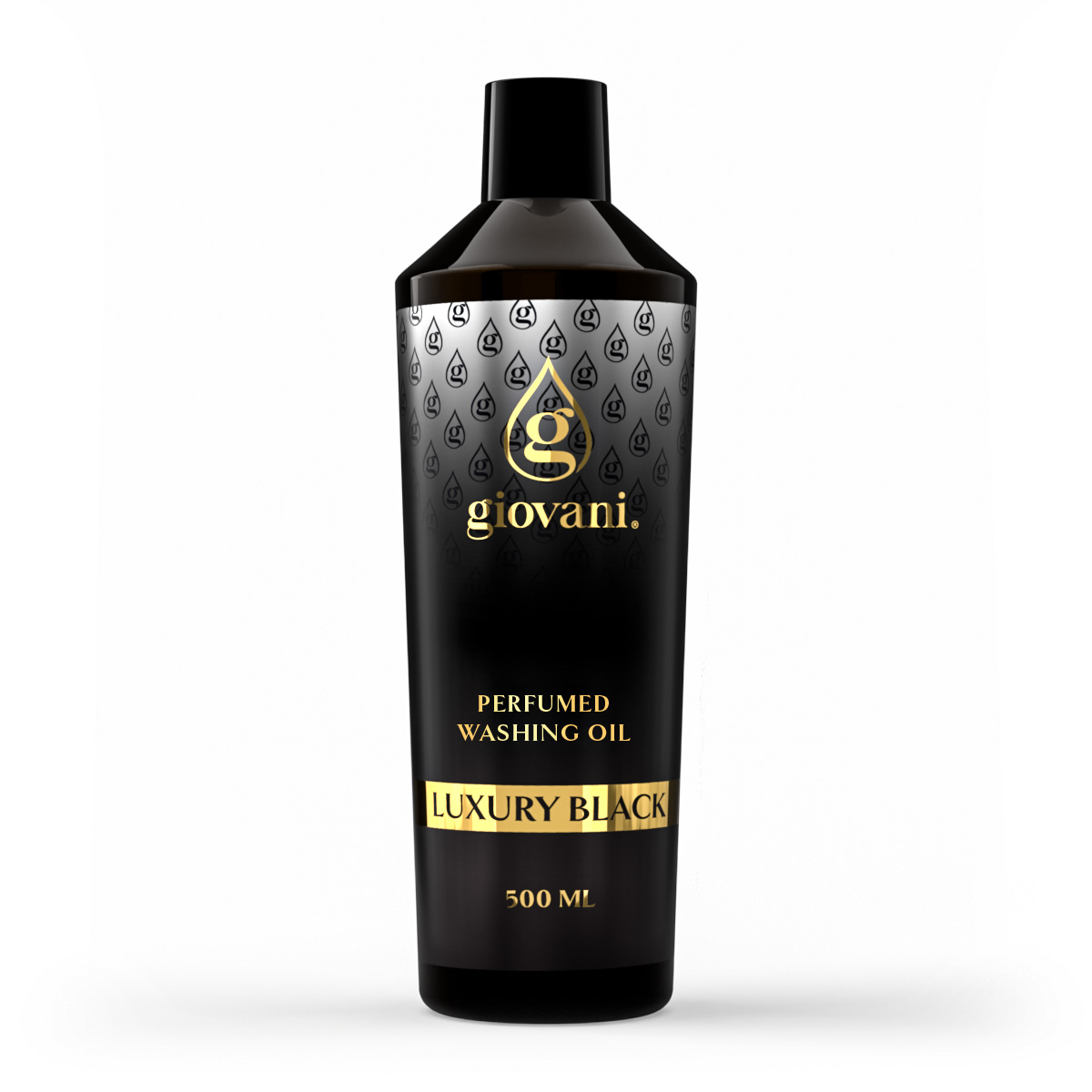
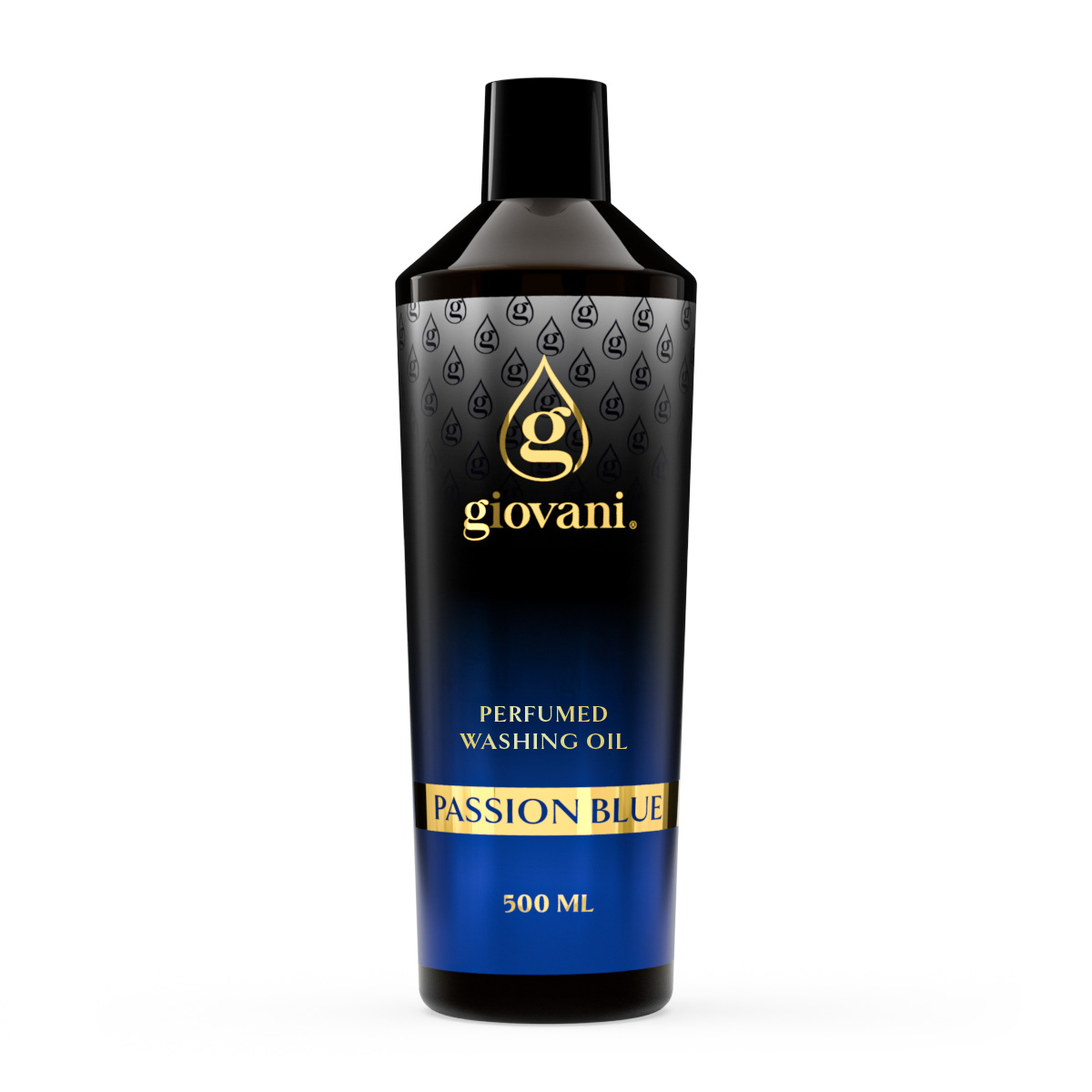
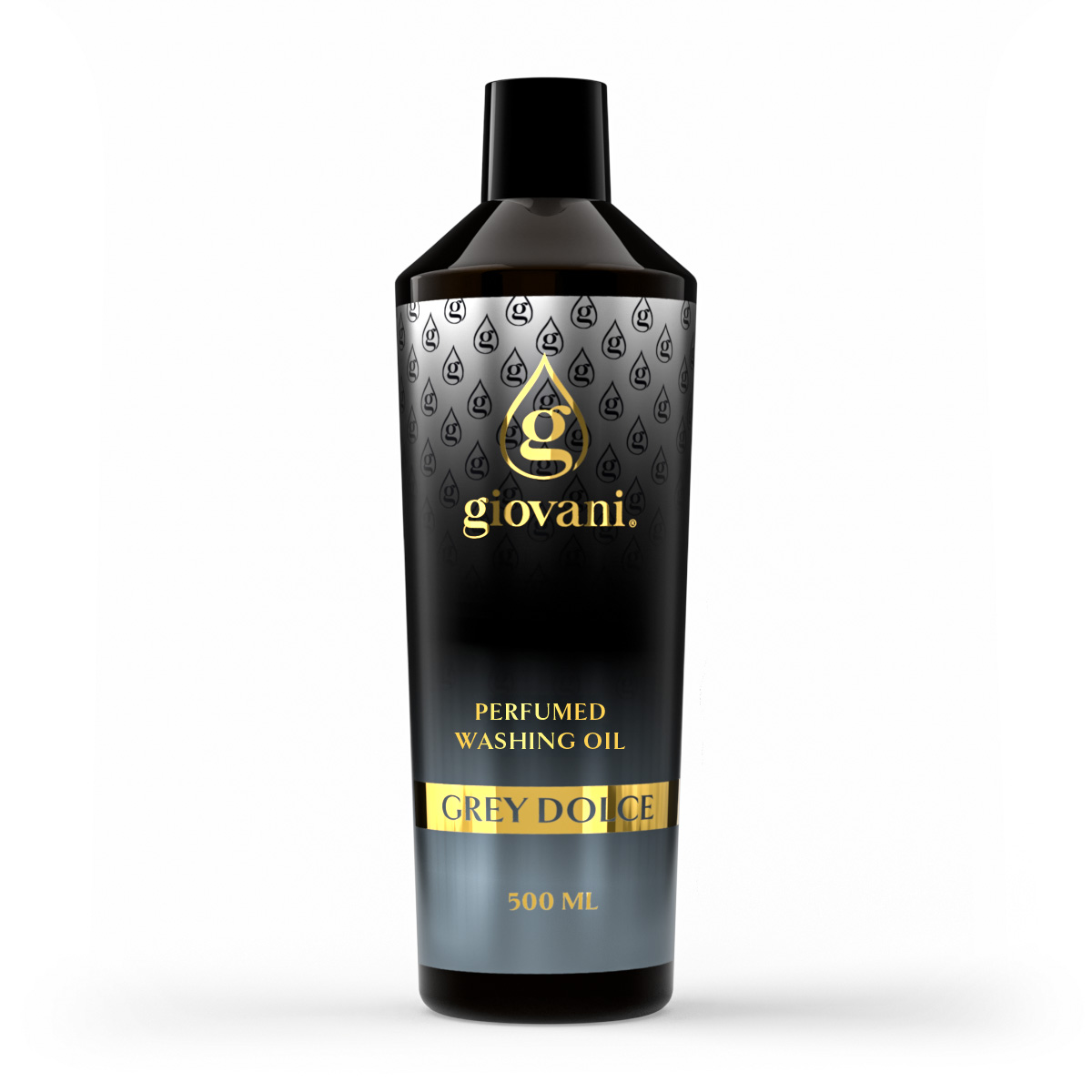
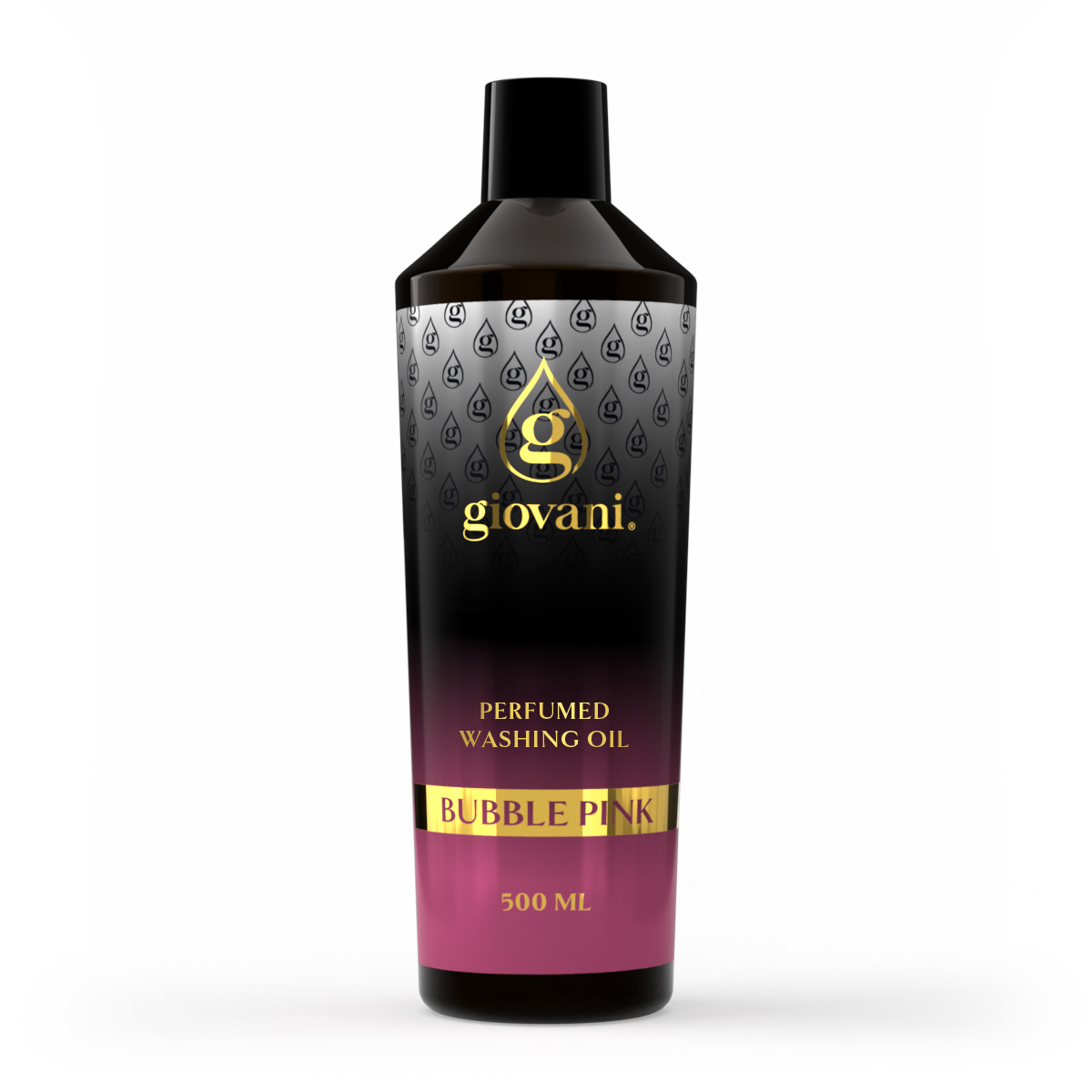
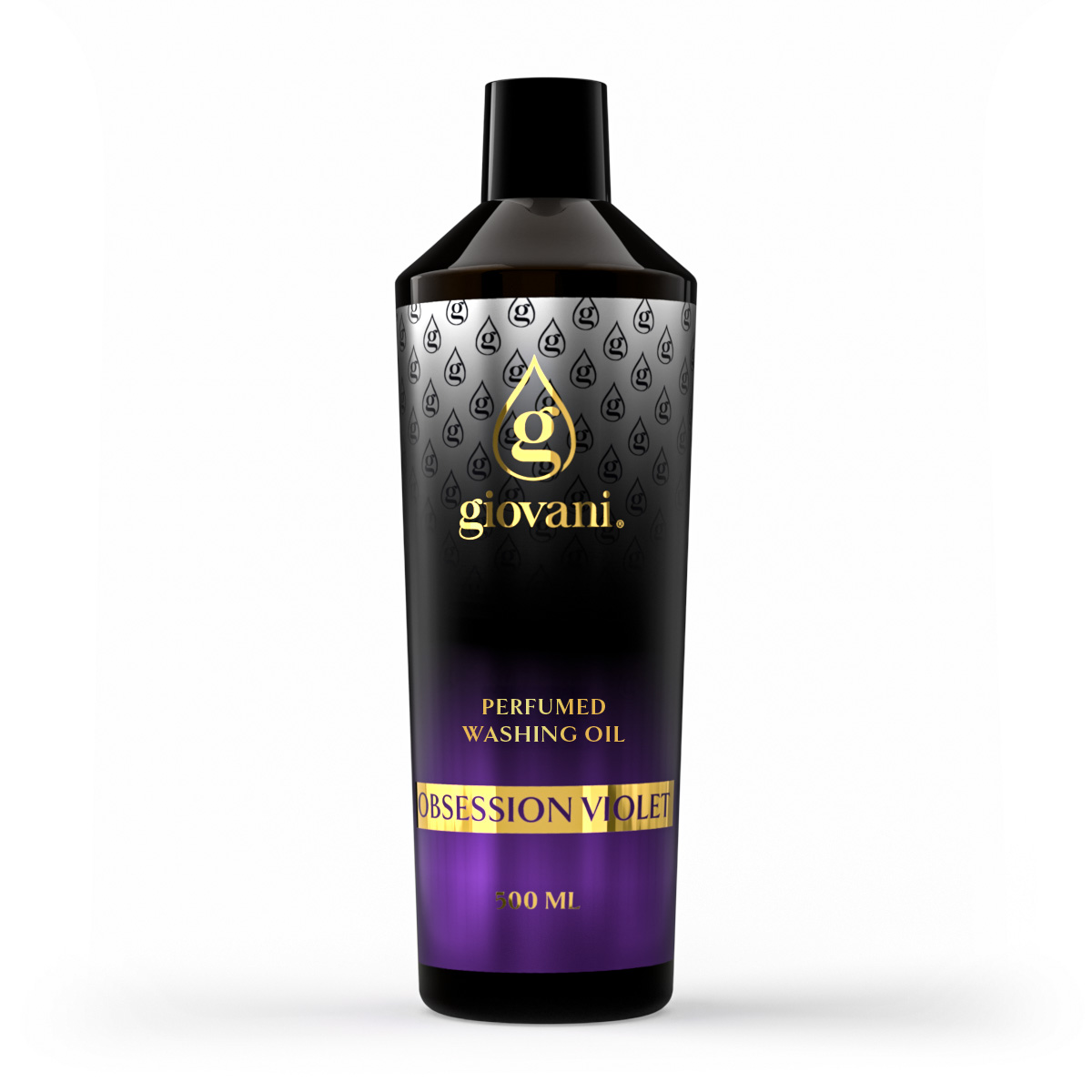
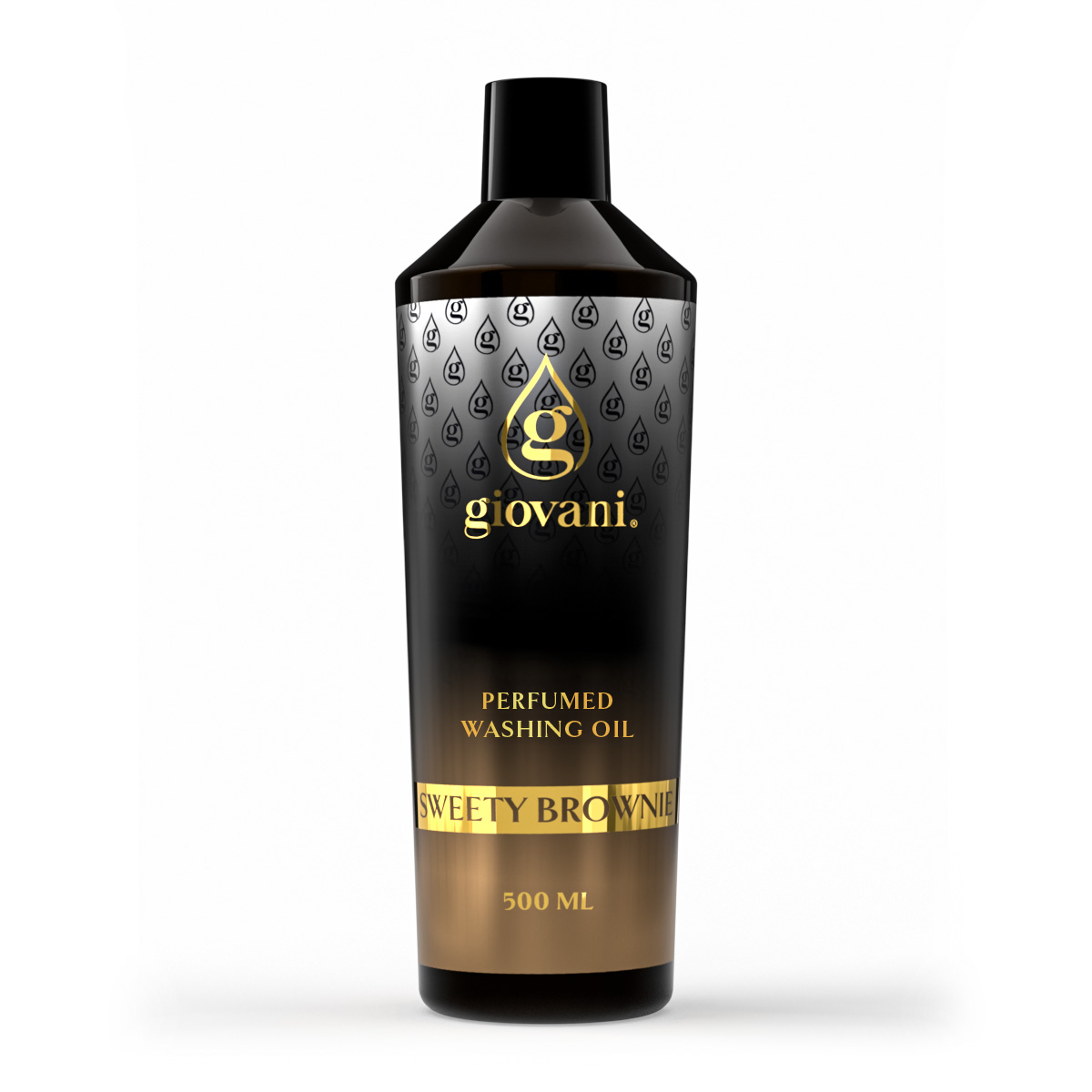
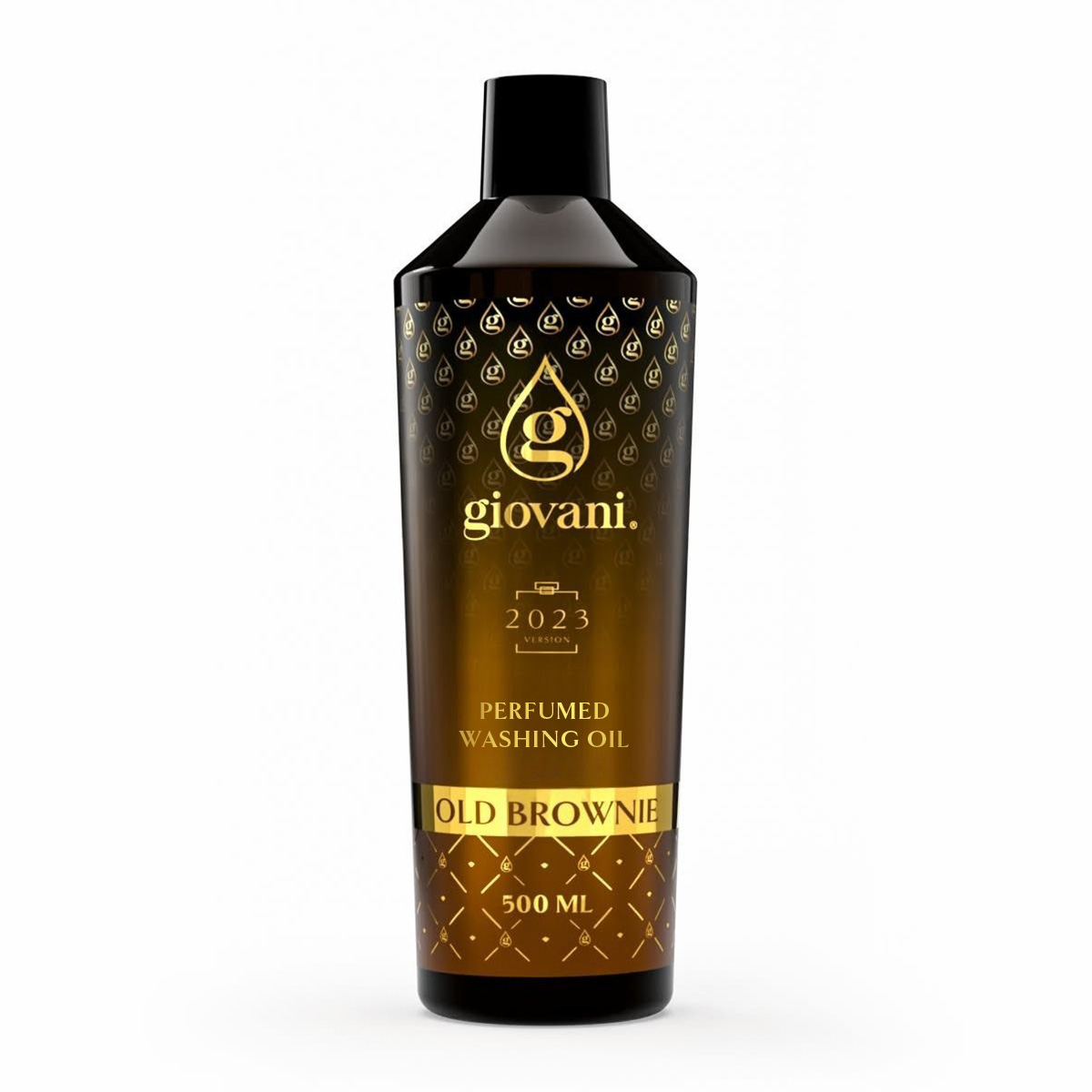
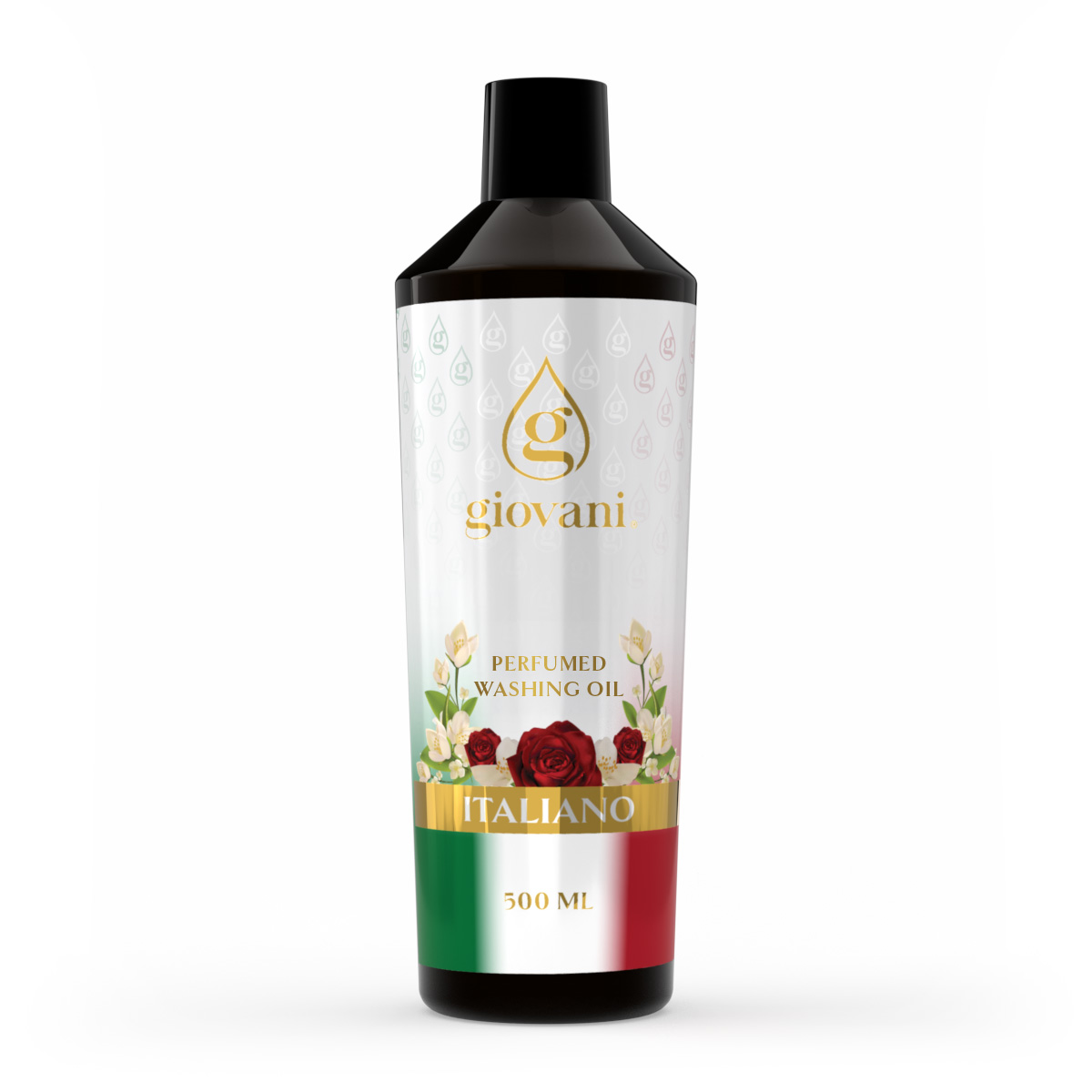
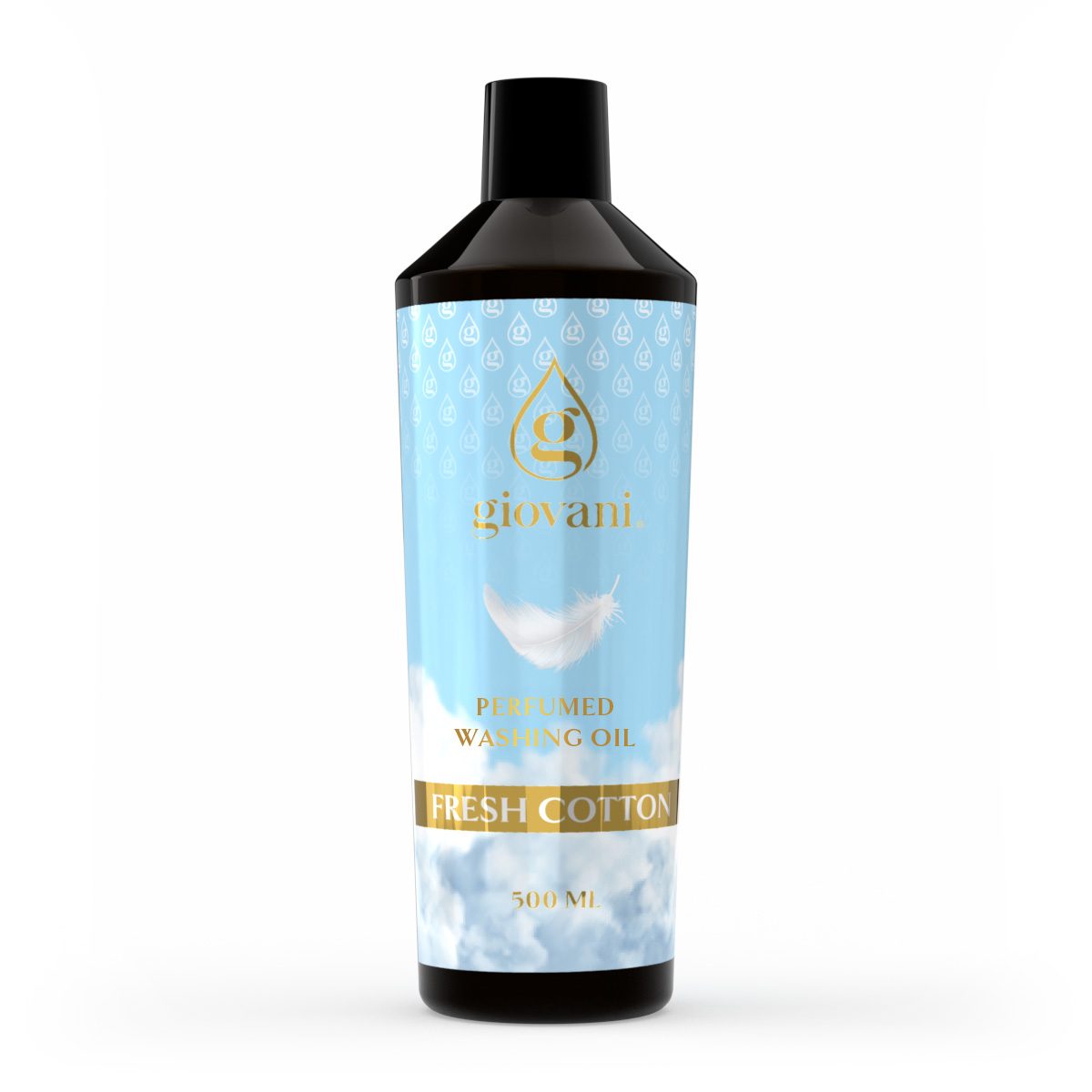
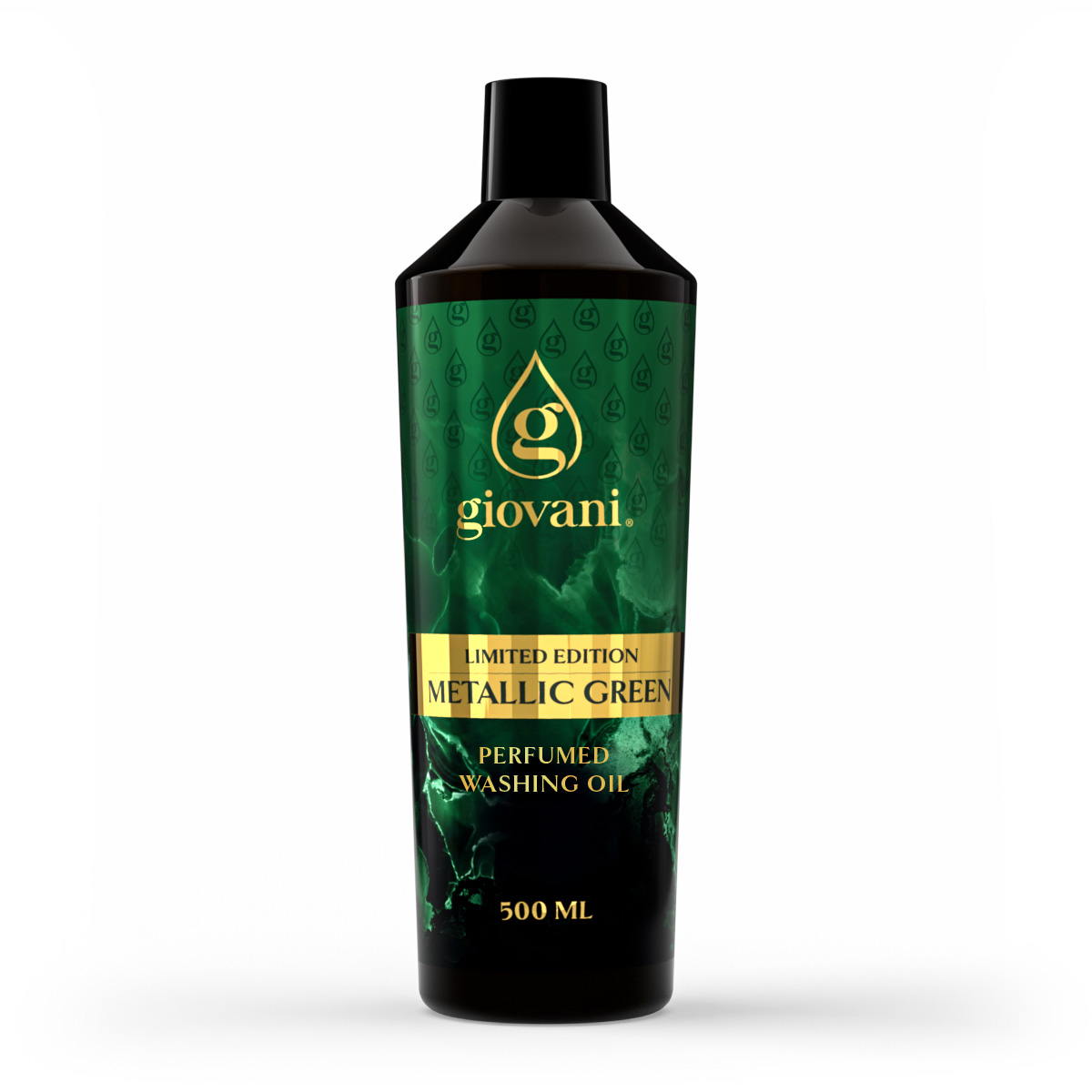
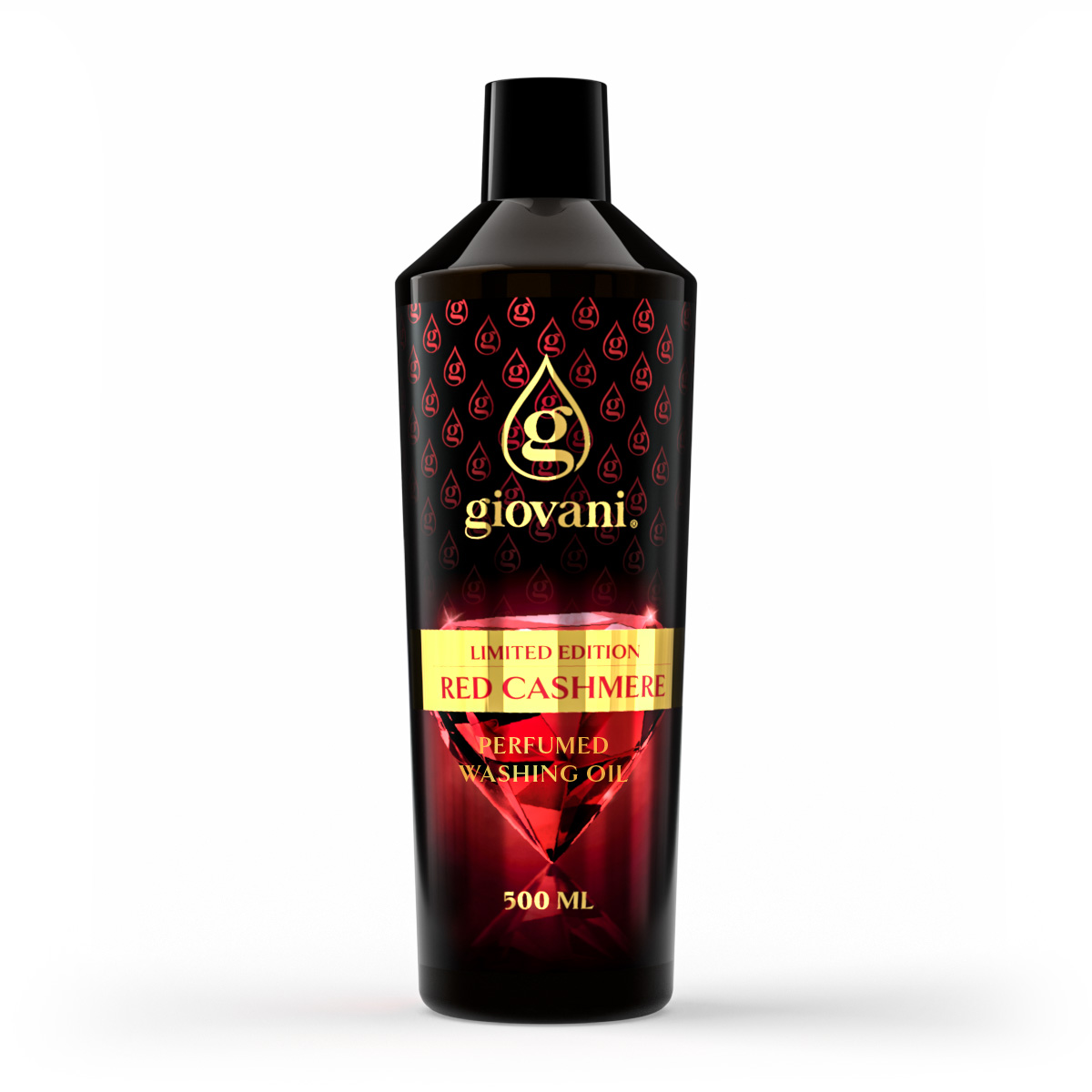
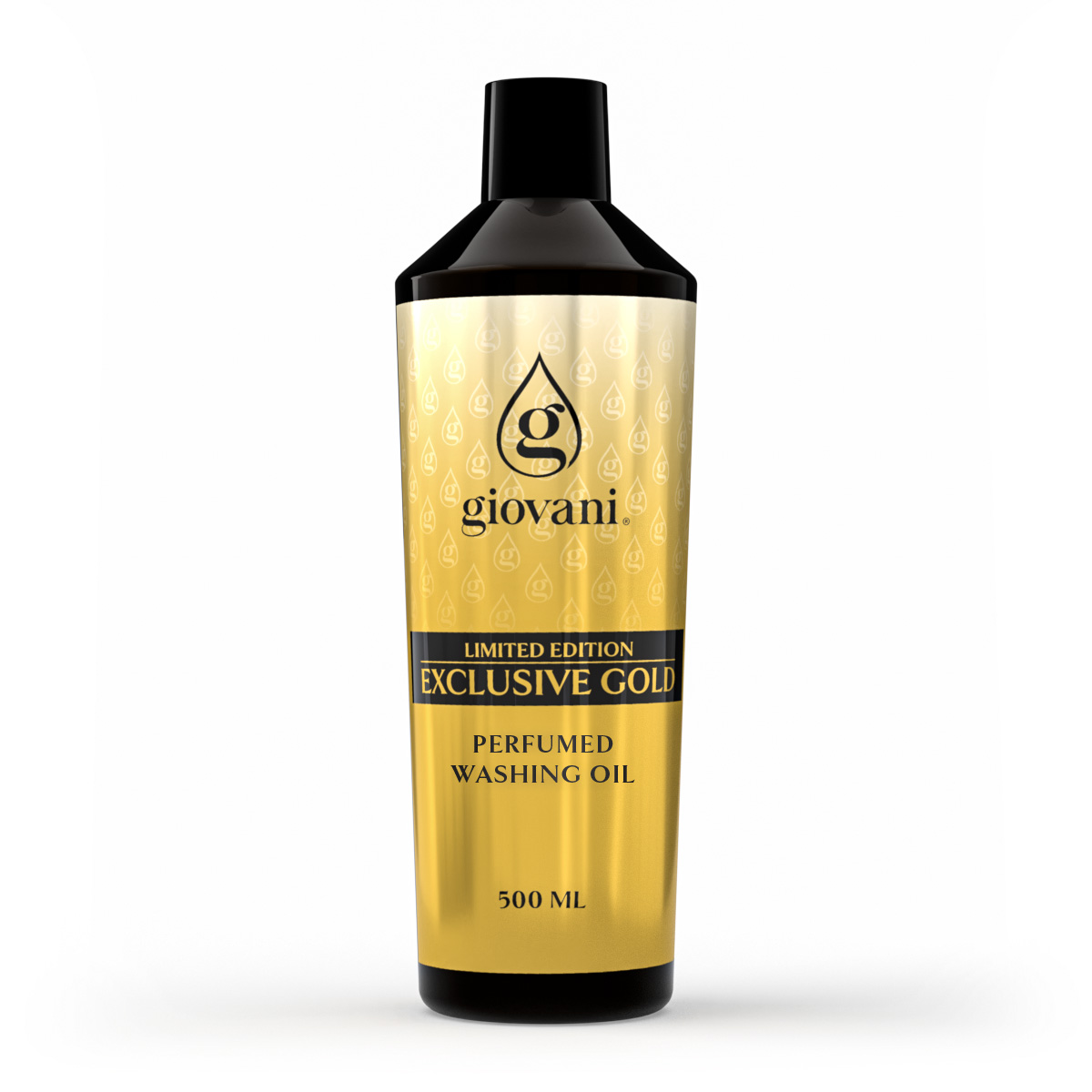
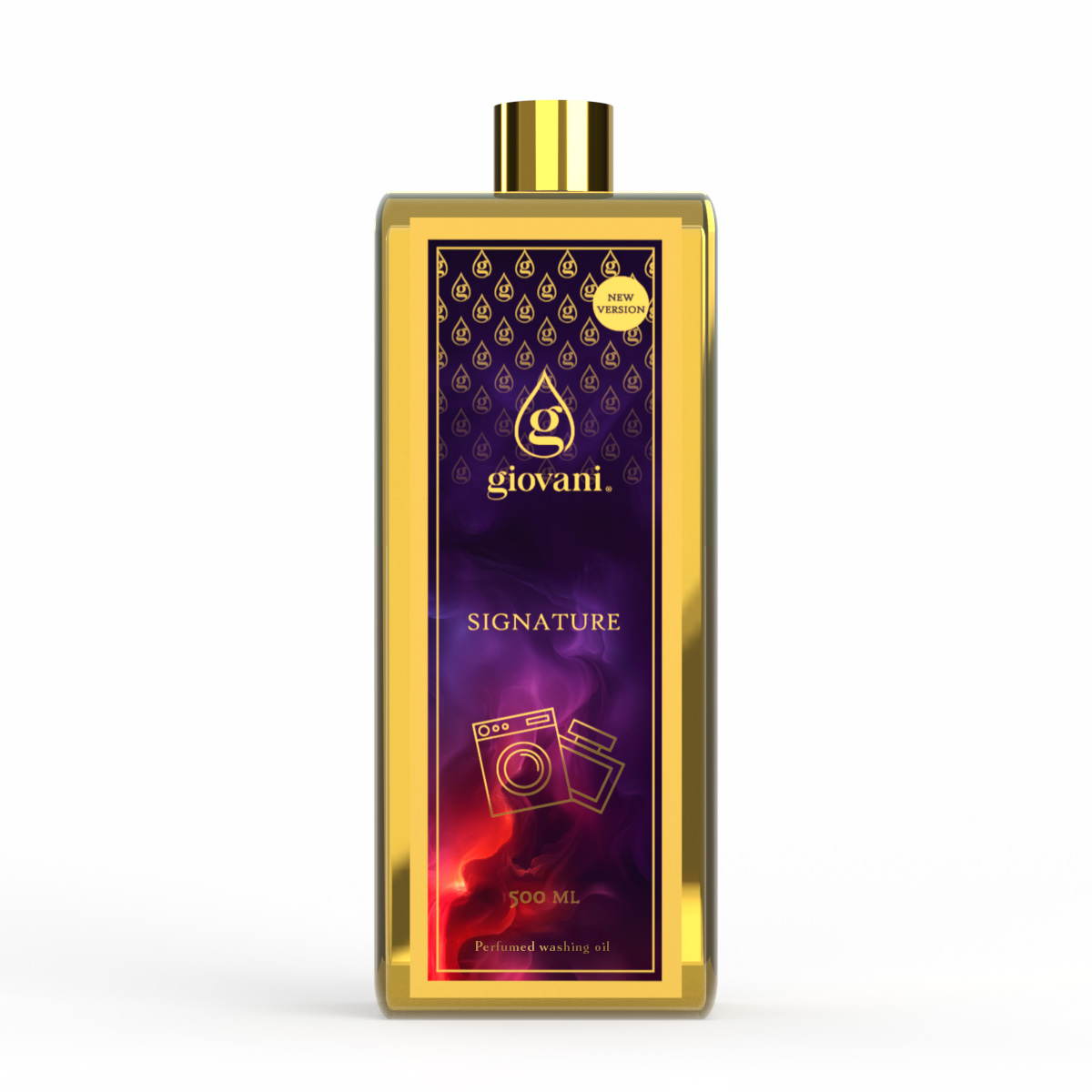
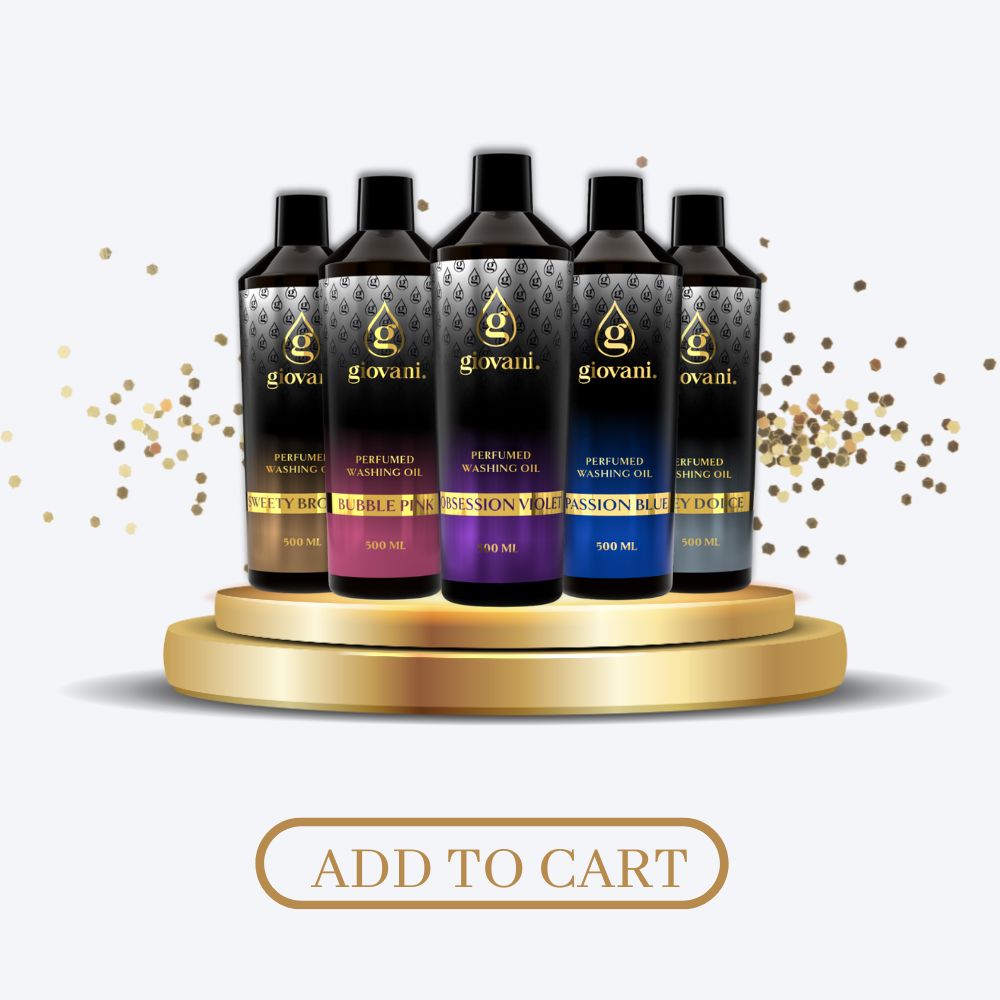
The perception and liking of a particular fragrance tends to be a very subjective matter. That's why we can't pinpoint a single best or favourite fragrance from the whole range. Each of our thousands of customers will find their favourite among these fragrances, also based on their subjective perception. In any case, most customers like all of our fragrances. We recommend trying all of them to find your favourites. Giovani® perfumes are divided into 3 orders. The basic range consists of our 6 basic fragrances Luxury Black, Bubble Pink, Grey Dolce, Sweety Brownie, Passion Blue, Obsession Violet. Then there are the fragrances Italiano and Fresh Cotton. And finally the popular Limited Editions and Luxury series with Signature fragrance.
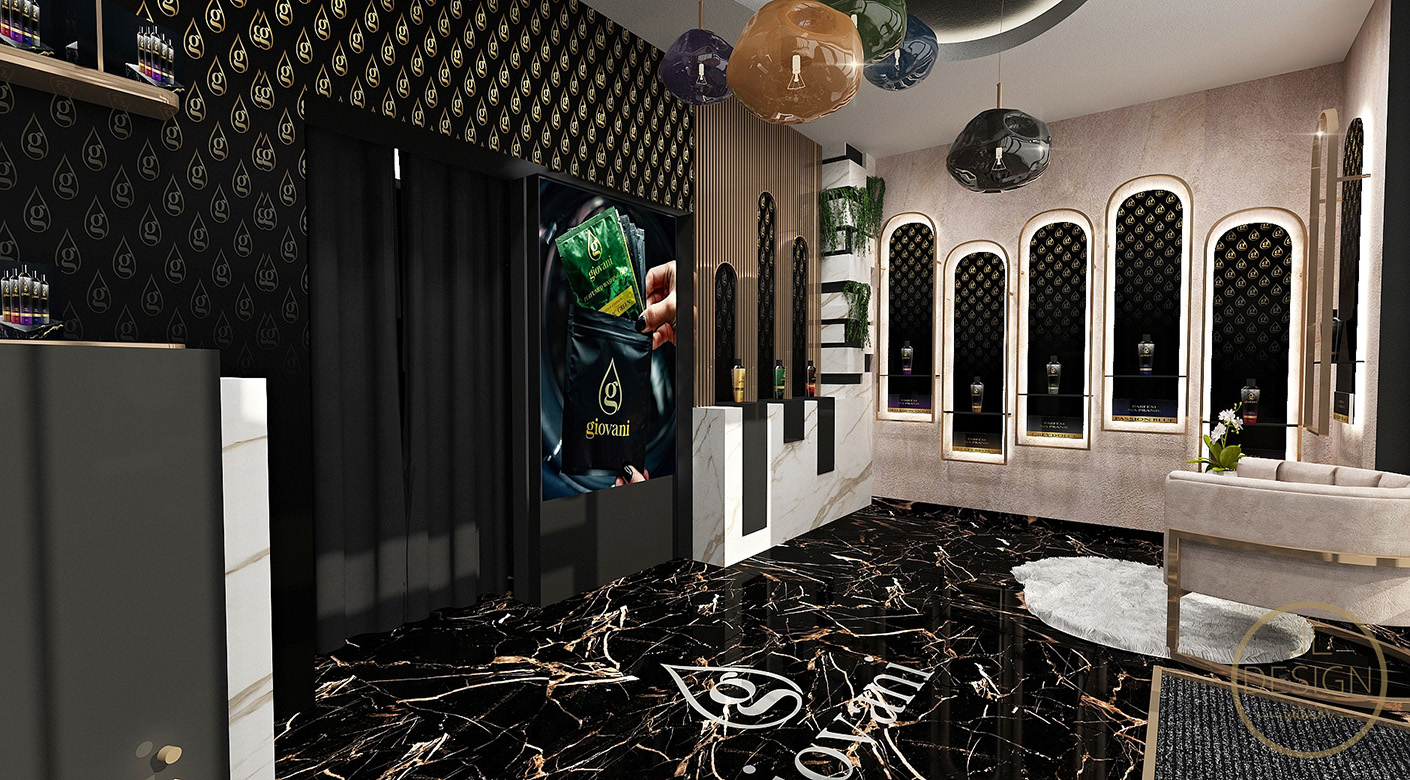
The most fragrant shop in Košice
Would you like to smell Giovani® fragrances first before trying them? That is also possible. In the shop you can order perfume samples to try or you can visit our design showroom in Košice. The Giovani® shop in the city centre brings an experience for your senses and will enchant you as soon as you enter. You will be served by our experts who will be happy to advise you and help you choose the best fragrance for your wash. Thanks to our high-quality and long-lasting laundry perfumes, every visit to this store will become an unforgettable experience. Come and discover the most fragrant store in Košice, where fragrance and elegance go hand in hand. You can find us at Hollého 3 in Košice, Slovakia.
Verified customer reviews
ur products boast many verified reviews from satisfied customers who confirm the quality and popularity of our products. Customers most often report satisfaction with the long-lasting fragrance intensity of our laundry perfumes. These reviews also help us to continuously improve our products and services. Thanks to your feedback, we can guarantee that every purchase will be satisfying and meet your expectations. Satisfied customers often praise not only the fragrances themselves, but also the professional approach of our staff and the overall shopping experience. Your satisfaction is our priority and your reviews are our commitment to continually offer the best.
Still hesitating? Start with samples, you'll test all our fragrances and we guarantee you'll be enchanted by them. We're confident in the quality of our products, which is why we can stand behind everything we say about them. We look forward to your further positive reviews and feedback, which makes us very happy and encourages us to continue our work.

 Our Giovani®