Doing laundry... It sounds like just pressing a button, right? But what happens when your favorite T-shirt changes colour or your sweater shrinks two sizes, suddenly resembling doll clothes? To help you avoid these surprises, let’s go through the basics of smart washing together. Find out which temperatures are right for different types of fabrics, so you get results worthy of an ad. Plus, we’ll share a few tricks to help you save energy, money, and most importantly, your nerves.
Washing at 30 °C – For Delicate Laundry and Sensitive Fabrics
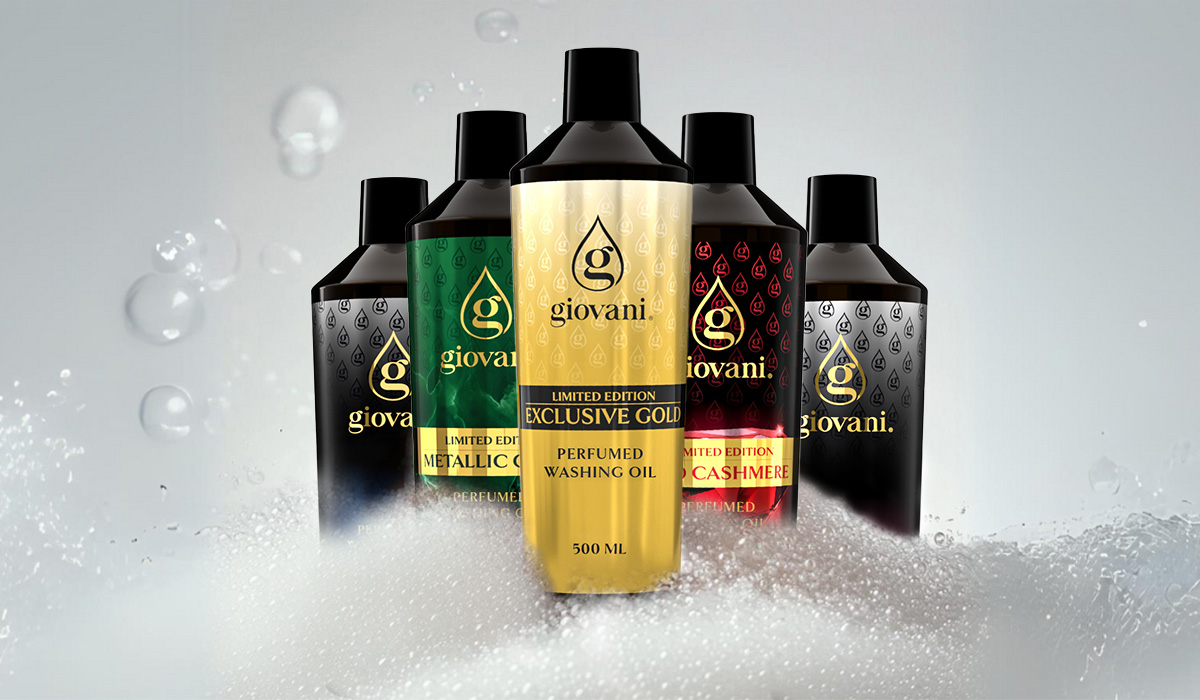
Some items, especially those that give a luxurious feel (hello to all silk blouses), need gentle care. That’s why it’s best to wash delicate and sensitive fabrics, like silk, viscose or fine cotton, at 30 °C. This low temperature is gentle on the fibers, while still doing the job of cleaning everyday dirt. If you want to add a special touch to your delicate laundry, try using laundry perfumes – they leave your clothes with a beautiful fragrance you’ll love. Just a drop or two and your laundry will smell as fresh as a summer breeze. Let your delicate pieces shine and enjoy them in all their glory, without worrying about shrinking or damage.
Washing at 40 °C – The Golden Middle for Everyday Laundry
What about T-shirts, jeans and other everyday clothes you wear often? 40 °C is truly the golden mean. This temperature kills most bacteria and at the same time helps keep colours and the shape of your clothes intact. Plus, it’s friendly to both energy bills and the environment. At 40 °C, you get quality cleaning without the risk of ruining your favorite pieces.
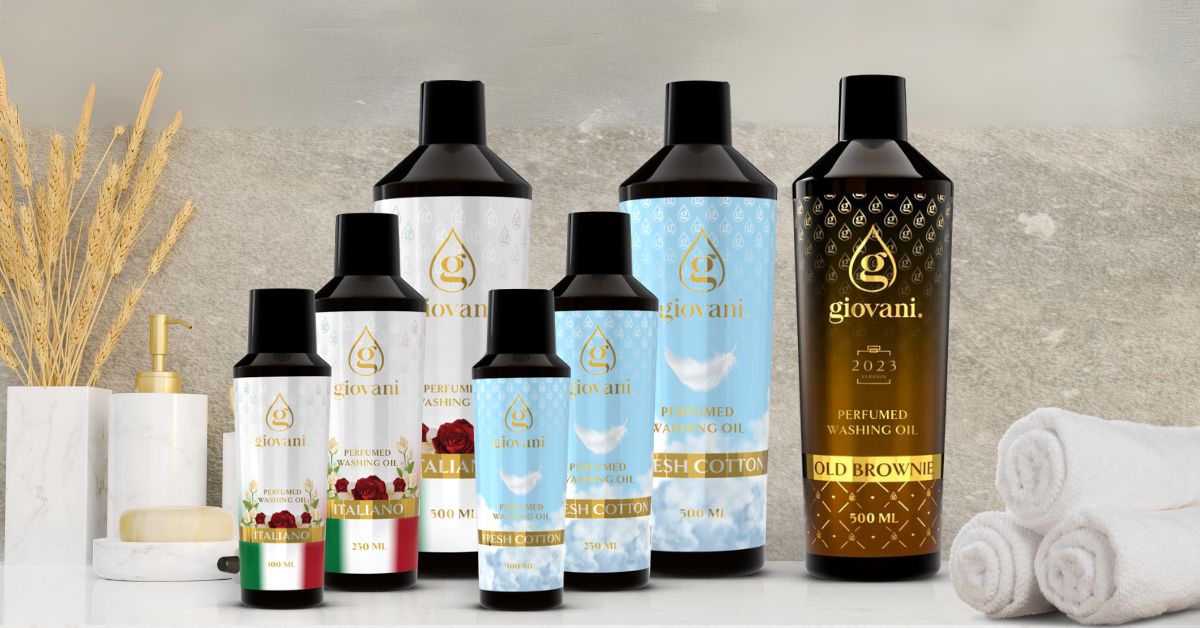
For those looking for ways to save not just on clothes, but also on money, we recommend value packs of laundry perfumes Not only will you enjoy a beautifully scented wardrobe, you’ll also save with each wash. A combination of gentle washing and the right fragrance is the way to go. After all, your clothes deserve the best!
Washing at 60 °C – For Laundry That Needs Extra Cleanliness
Do you have small children or athletes at home who come back from their activities covered in mud and sweat? Or do you just want your bed linen and towels to be truly spotless? 60 °C is exactly right for these cases. This temperature ensures you get rid of most bacteria and dust mites that can make their way into our textiles. At the same time, it won’t damage the fabric so long as the materials are suitable for higher temperatures.
Of course, it’s always important to check if a specific item can handle this temperature. You don’t want your favorite bed sheet ending up the size of a bath mat. Always check the care labels, and if in doubt, choose a lower temperature.
Washing at 90 °C – For Special Cases
There aren’t many situations where you’ll need to wash your laundry at 90 °C. It’s usually reserved for special cases, such as heavily soiled kitchen towels or cleaning cloths. For most fabrics, though, this temperature belongs to the “shrinkage nightmare” category. If you do decide to wash at this temperature, make sure your textiles can truly withstand it. Otherwise, you might end up with laundry that looks like it barely survived an unfortunate shrinking experiment.
Tips for Saving Energy While Washing
- Wash at low temperatures whenever possible. Most modern laundry detergents are effective at removing dirt even at 30 °C.
- Use the right amount of detergent – too much laundry detergent doesn’t mean cleaner clothes. On the contrary, it can damage your clothes and the washing machine.
- Choose energy-efficient programs – many washing machines now offer settings that are not only easy on your wallet but also friendly to the environment.

How to Know What’s Right? Just Check the Labels!
Every piece of clothing has a small label that tells you what temperature it should be washed at. Don’t be afraid. These labels are not your enemy. They’re there to help you protect your favorite clothes from a harsh fate, like shrinking several sizes. Always follow the instructions on the labels – your clothes will thank you for it.
Turn Laundry into a Creative Activity Full of Pleasant Scents
Washing clothes isn’t just about cleanliness – it’s also about how long your favorite pieces will bring you joy. The right temperature extends the lifespan of your clothes, meaning fewer purchases, less waste, and more money left in your wallet. But it’s more than that – it’s about the pleasure of fresh, beautiful laundry. If you want to boost your comfort while washing, treat yourself to special products, such as a gift set of laundry products. This set will bring a new level of freshness to your wardrobe, and you’ll love it not only for yourself, but everyone around you will notice, too.
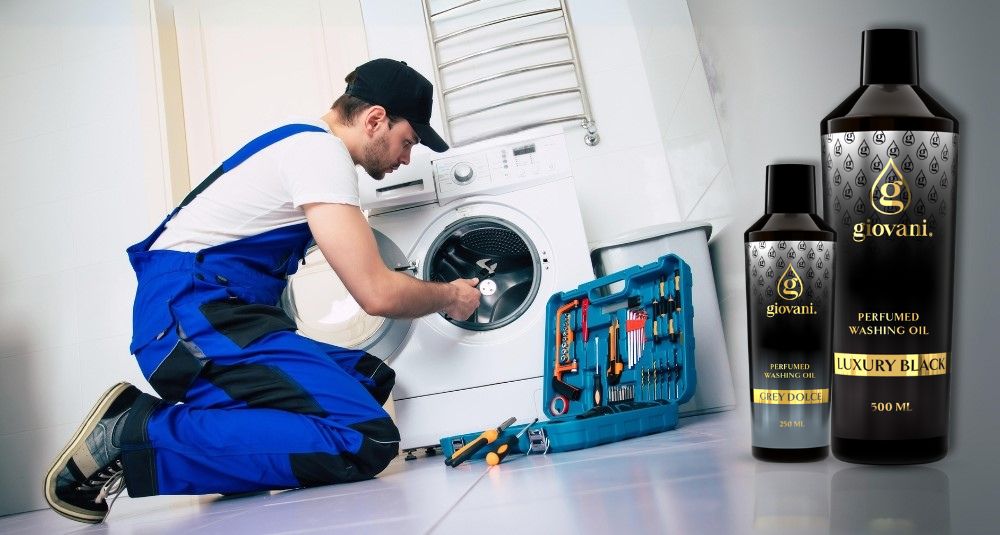
And when it comes to scents, don’t miss out on laundry perfume Grey Dolce. This laundry perfume has a fresh fragrance that instantly brings to mind summer mornings by the sea – full of peace, freshness, and happy moments. Just add a few drops to the wash and your laundry will carry this beautiful scent long after it dries. It’s a simple way to add a bit of magic to your laundry!
How About a Little Closet Audit?
Now that you know how to properly wash different types of clothes, why not do a quick closet audit? You might discover some pieces you’ve overlooked or it may be time to refresh your collection with something new and practical. Keep your clothes fresh, beautiful, and ready for every day so you can enjoy the joy of perfectly clean laundry, which will brighten up your daily life.