
Blog, Page 9

List of articles

How to Wash Your Jeans?

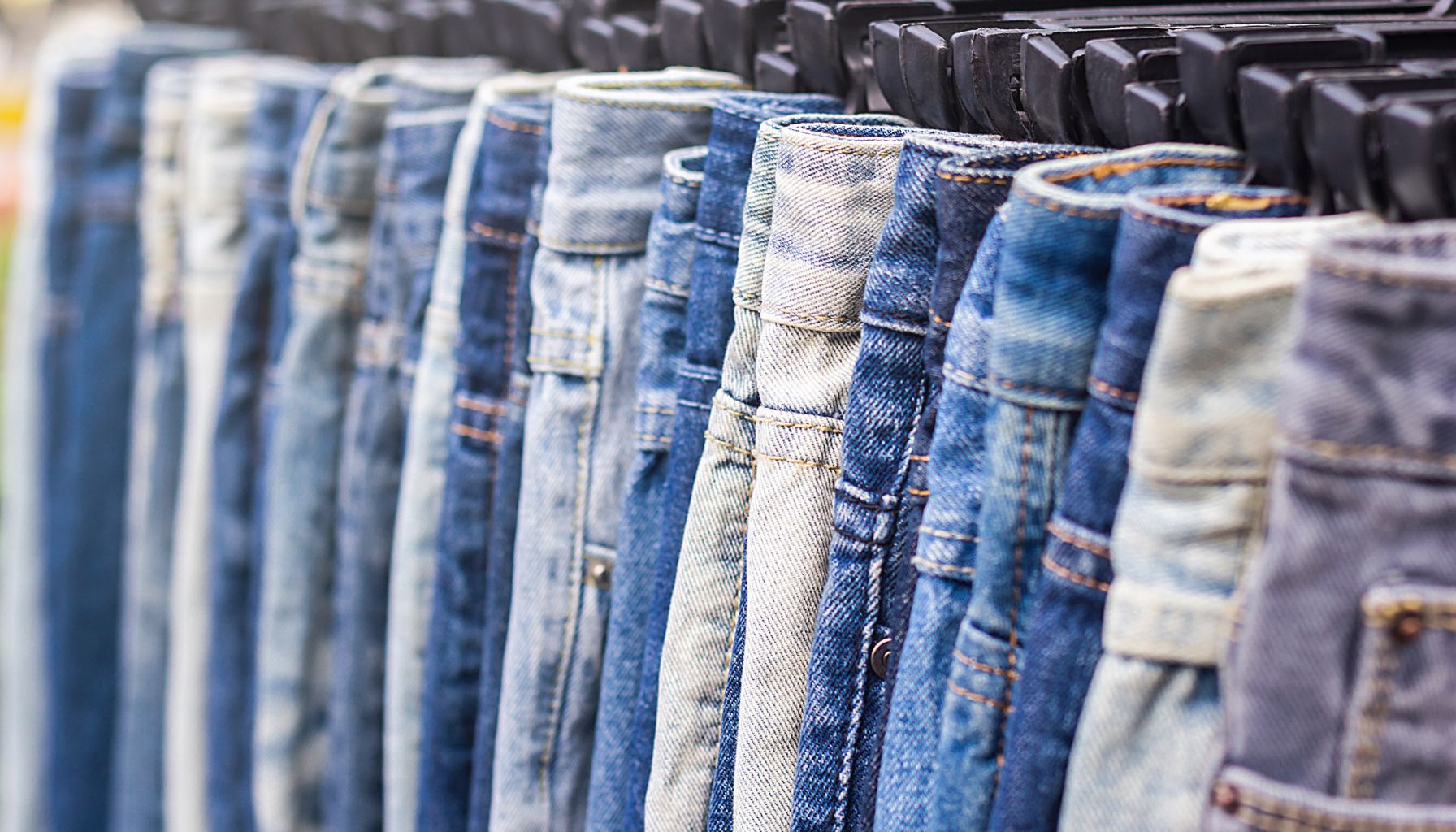
Jeans are a wardrobe staple loved by people all over the world. To keep their shape, color, and overall look, it’s important to know how to wash jeans the right way. Frequent washing isn’t necessary, but proper care can seriously extend their lifespan. .


How often should you wash jeans?

You don’t need to wash your jeans after every wear. The fabric is durable, and washing after each use can quickly fade the color and affect the fit. Ideally, wash them after 5–10 wears, or when you see visible dirt or notice an unpleasant odor.


Turn jeans inside out

Before washing, turn your jeans inside out to prevent the outer layer from fading. This step also reduces fabric friction in the washing drum and helps preserve the color and structure of your jeans. Turning jeans inside out is a key step for proper jeans washing.


Choose the right washing cycle and temperature

Wash your jeans on a gentle cycle at a nízkej low temperature, ideally up to 30°C. Higher temperatures can shrink the fabric and cause fading. Use only a small amount of detergent so there’s no residue left that could weaken the fibers.
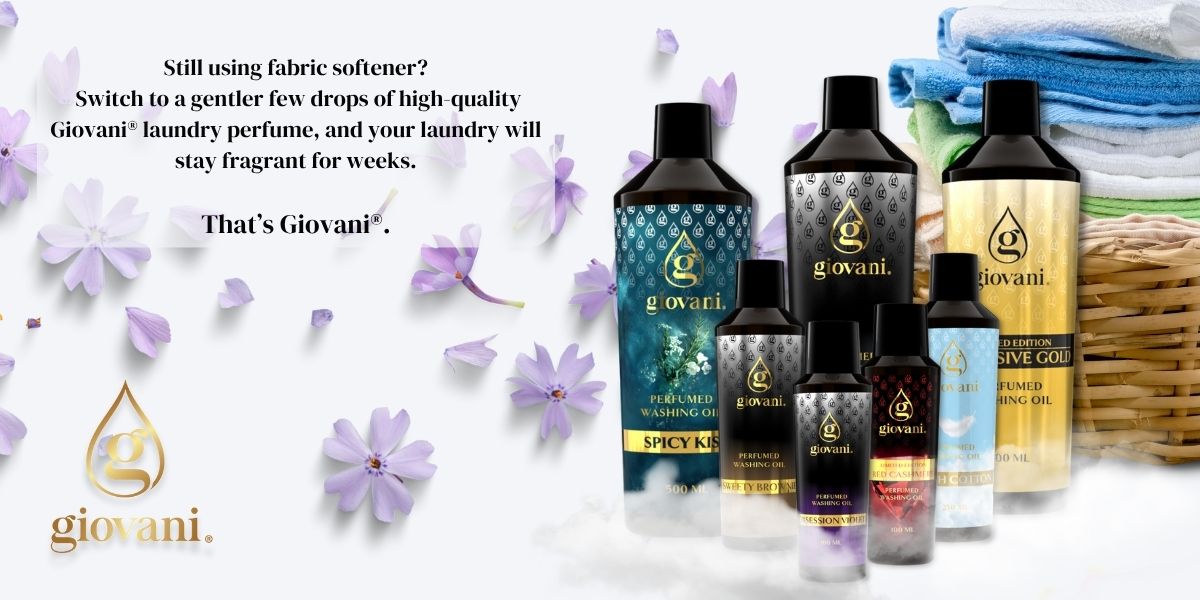
Special detergent


Skip the fabric softener

Fabric softener isn’t suitable for jeans because it can leave residue and reduce the durability of denim. Jeans naturally have a firm structure and don’t need softener to stay comfortable.


Drying

The best way is to let your jeans air dry, hanging or laid flat. Avoid tumble dryers, as they can shrink and damage the fabric. Air drying helps your jeans keep their shape and strength.


Refreshing the color

If your jeans have faded over time, you can use a special detergent for dark fabrics or color-restoring products to help bring back their original shade.

Proper washing will help keep your jeans in great condition and ensure they last longer without losing their color or fit.

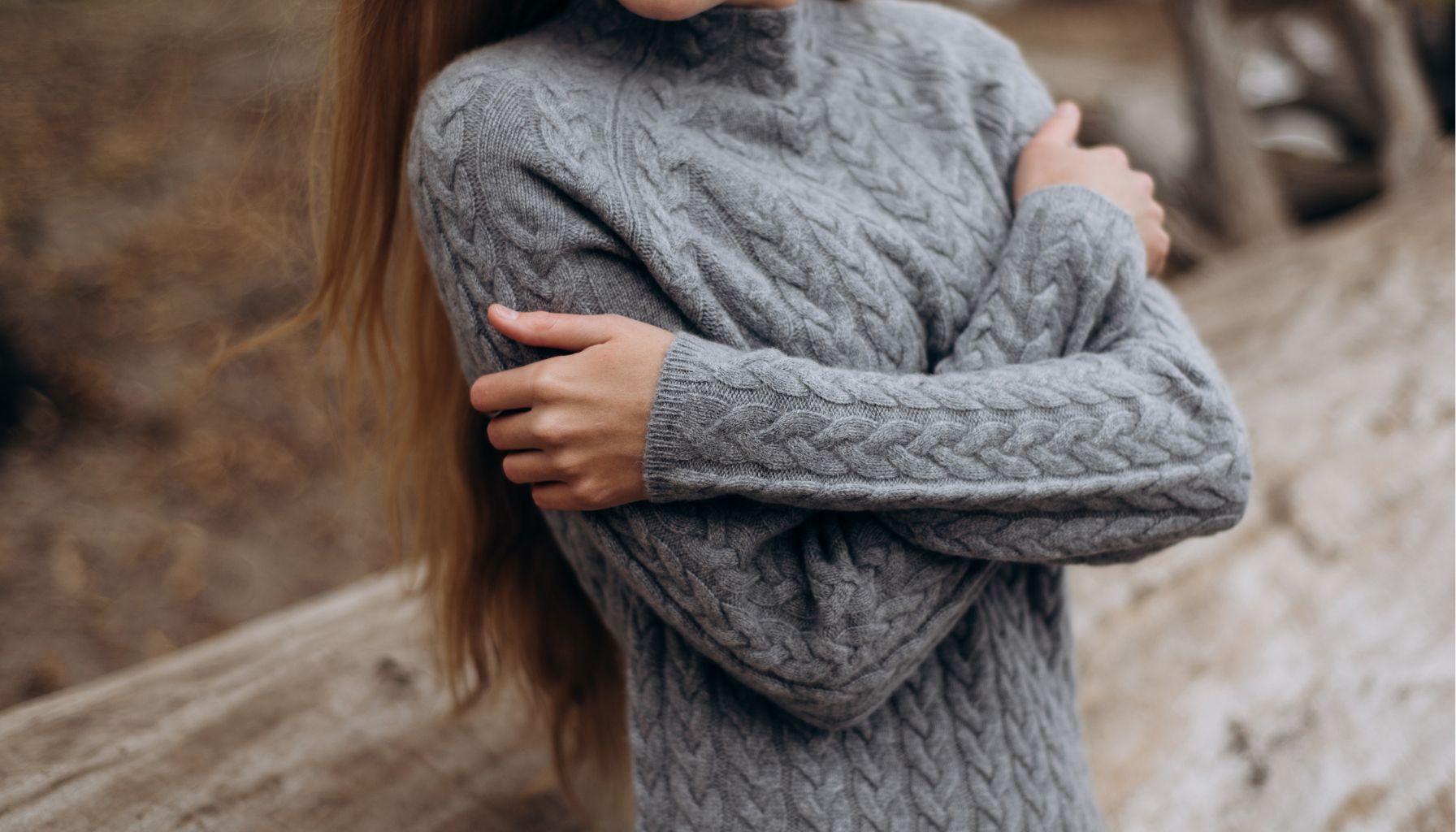
 

Proper Care and Washing of Cashmere

Cashmere clothing is the symbol of luxury and softness. To maintain its exceptional quality, it’s essential to give it special attention and care. Proper cashmere washing is the key to its long lifespan and flawless appearance. This article gives you all the practical tips you need so you can care for your cashmere like a pro.


Preparation Before Washing

Before washing cashmere, it’s important to check the care label on the garment. The label gives you clear instructions to follow. Always separate clothing by color and avoid washing cashmere with other, rougher fabrics. To remove light dust or surface dirt, it’s best to gently shake out the garment before washing.


Hand washing – the best choice


Hand Washing Is the Best Choice

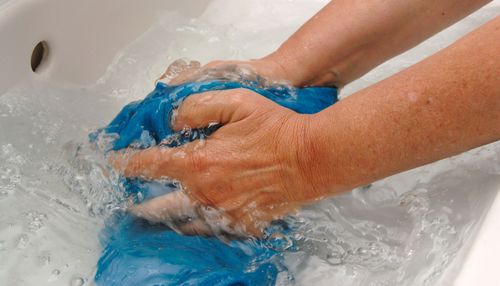
Cashmere is a delicate material, so hand washing is the most suitable method. Fill a basin with lukewarm water and add a small amount of special detergent designed for delicate textiles. Gently submerge the garment and softly massage it, avoiding wringing or vigorous rubbing. After washing, rinse thoroughly with clean water to remove all detergent residues.


Gentle Drying

Proper cashmere care doesn’t end with washing. Drying is just as important. Never use a dryer or hang your cashmere on a hanger, as this can cause it to lose its shape. Instead, gently wrap the garment in a towel to remove excess water, then lay it flat to dry. Make sure you dry it in the shade, away from direct sunlight.


How to Avoid Damage

When caring for cashmere, avoid using bleach or harsh chemical cleaners. If you’re unsure about hand washing, entrust your clothing to a professional cleaner. It’s also a good idea to store your cashmere in a dry place and avoid excessive folding, which can cause creasing.


Conclusion

Proper cashmere washing is a crucial step to keeping its exceptional qualities. By following a few simple, effective rules, you can be confident that your cashmere will remain soft, gentle, and a pleasure to wear. Give it the care it deserves, and it will reward you with timeless elegance.


How to remove wax from clothes

Wax on clothing can be a real challenge, especially if it ends up on your favourite pieces. Fortunately, there are several simple methods to deal with this problem and restore your textiles’ appearance. With a bit of patience and the right steps, you can effectively get rid of wax.


Freeze the wax for easy removal

One of the simplest methods is to use cold. Place the garment in the freezer for a few hours so the wax hardens. Once it's solid, gently peel it off using a dull knife or spatula. This step usually removes most of the wax and makes the next steps easier.


Use heat with caution

If freezing doesn’t do the trick, you can try heat. Place a paper towel or absorbent paper over the wax stain and gently iron the spot with a low heat setting. The heat will melt the wax, and the paper will absorb it. Repeat this process until the stain disappears. Be careful not to let the iron get too hot to avoid damaging the fabric.


Material care is key

Before using any method, check the care label to ensure the fabric can withstand heat or freezing. Delicate fabrics like silk or wool may require professional care. If you’re unsure, it’s best to leave the garment in the hands of cleaning specialists.


Proper fabric care


How to remove wax residue?

Even after removing the wax, greasy stains might remain. To get rid of them, use a special stain remover or a gentle laundry detergent. Apply it directly to the stain, then wash the garment according to the instructions on the label.

Solving the problem of how to remove wax from clothes doesn’t require special tools, just the right method. Thanks to these tips, your clothes will soon be back in great shape and ready to wear again.


How to Wash New Clothes Properly

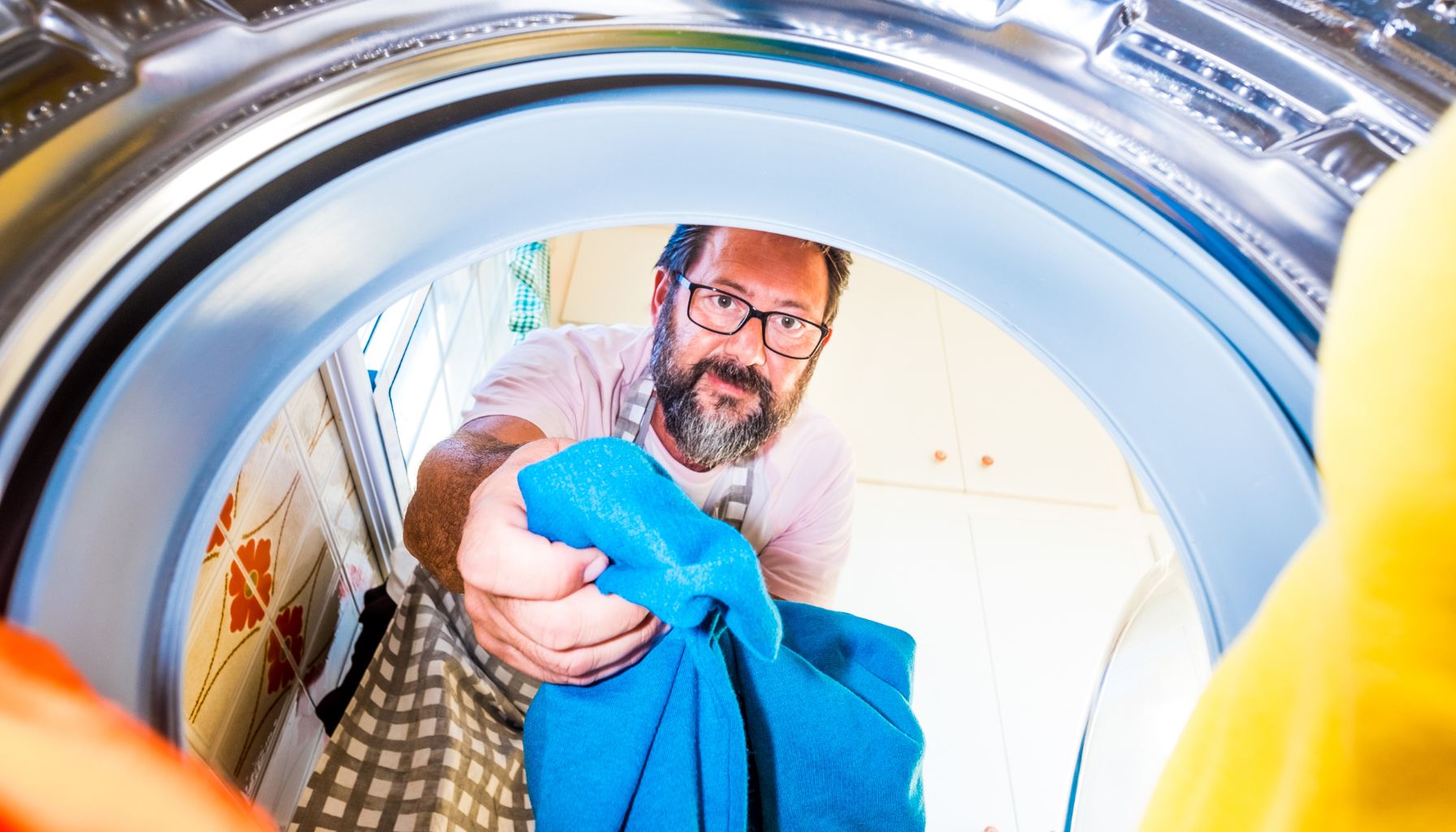
New clothes bring joy, but to enjoy them for a long time, it's important to know how to wash new clothes properly. Washing them before first use ensures the garment stays high quality, safe for the skin, and long-lasting.


Why wash new clothes before wearing them?

During manufacturing and storage, clothes can accumulate chemical residues, dust, or dirt that may irritate your skin. Washing them before wearing removes these substances and prevents dyes from staining other items in the wash.


Read the labels and follow the instructions

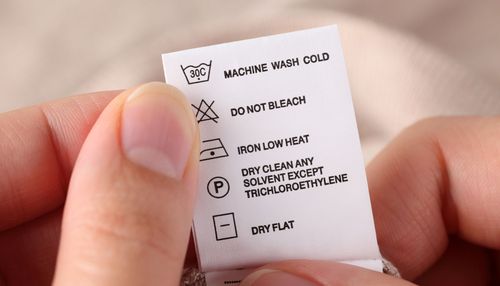
Clothing labels are your guide to proper care. Cotton can handle higher temperatures, while delicate fabrics like silk or wool require gentler cycles and lower temperatures. Following the care instructions helps avoid fabric damage.


Follow care label instructions


How to wash them the first time?

  • Sort by color:New dark or brightly colored clothes may bleed dye, so wash them separately from other garments.
  • Gentle detergents: Use mild products for new clothes that protect fibers and remove any leftover chemicals.
  • Wash at low temperatures: Most fabrics tolerate up to 30 °C, which helps preserve color and shape.


Drying and ironing

After washing, let the clothes air dry. Avoid using a dryer, as high heat may damage or shrink the fabric. When ironing, follow the temperature recommendations on the label to avoid ruining the garment.

How to wash new clothes properly? The secret lies in a gentle approach, careful sorting, and respecting the manufacturer's instructions. These simple steps will help your clothes keep their look, quality, and color for a long time.


How to Wash Ski Clothing?

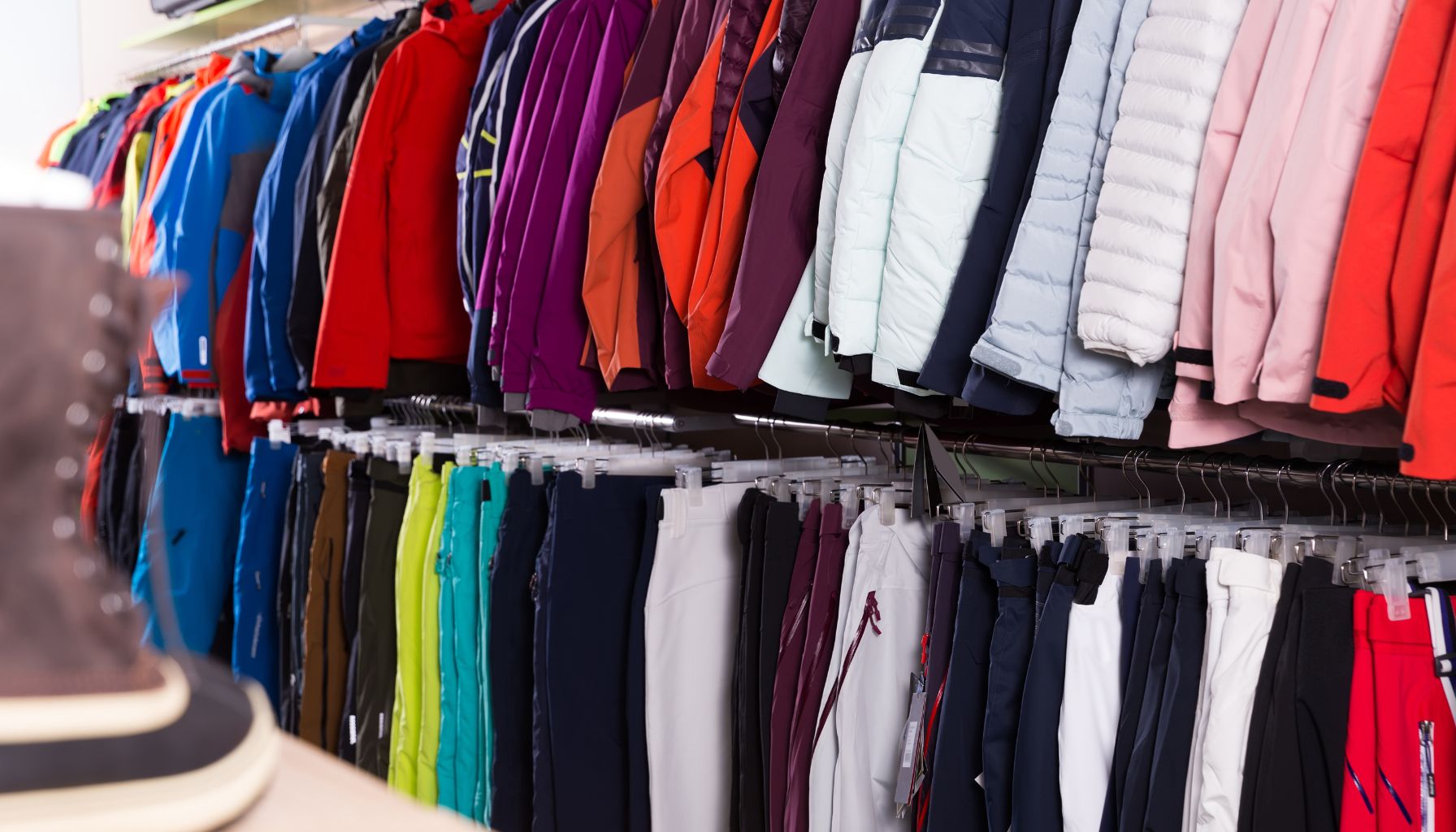
Ski clothing is an essential part of winter sports. Besides protecting us from the cold, it must withstand moisture, wind, and at the same time provide comfort. Regular care of ski clothing is essential to maintain its functional properties and long lifespan. In this article, you’ll learn how to wash ski clothing so it stays in perfect condition.


Preparation Before Washing

The first step is always to read the label on the garment carefully. There you’ll find information about the recommended washing temperature and suitable detergents. Before washing, check the pockets, remove any remaining snow and mud. If your ski clothing has zippers or other closures, make sure they are closed. This will prevent them from being damaged during washing.


Choosing the Right Program and Detergent

Ski clothing is made from functional materials that require special care. Use a gentle washing program with low temperature, ideally up to 30 °C. Avoid regular detergents that can damage the membrane or reduce water resistance. Instead, choose detergents designed for technical fabrics. These preparations are gentle on the material and help restore its protective qualities.


How to Dry Ski Clothing?

Proper drying after washing is key. Never use a dryer unless the manufacturer recommends it. Lay ski clothing flat in a well-ventilated area to help it keep its shape. Hanging wet ski clothing can deform the material, especially if the garment is still damp.


Restoring water resistance for protection


Restoring Water Resistance

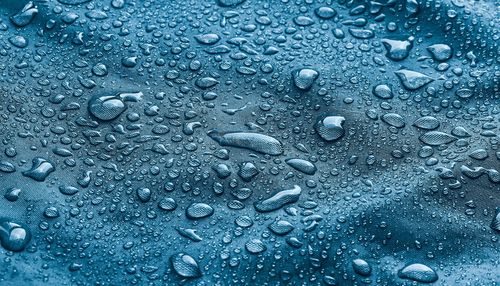
After several washes, ski clothing can lose some of its water resistance. To restore it, use impregnation sprays or solutions specifically designed for functional fabrics. Apply according to instructions, ideally after washing and before the clothing is completely dry.


Conclusion

Knowing how to wash ski clothing is key to maintaining its properties and extending its life. By following a few simple rules, you can be sure your clothing will protect you from the weather and keep you comfortable on every ski trip. Give your ski clothing the care it needs and it will reward you with reliable performance.


What Not to Put in the Dryer

A tumble dryer is a practical helper at home, but improper use can do more harm than good. If you want your clothes to stay in great condition for as long as possible, it’s essential to know what not to put in the dryer. This article will help you avoid mistakes and protect your delicate textiles.


Delicate Fabrics and Embellished Clothing

Silk scarves, lace blouses, or garments decorated with sequins or embroidery do not tolerate high temperatures well. The dryer can damage these materials, cause them to shrink, or even make embellishments come off. The best way to dry delicate items is to lay them flat on a soft towel to help them keep their shape.


Sportswear and Waterproof Materials

Functional jackets, waterproof pants, or sportswear and membranes can lose their special properties in the dryer. High temperatures often disrupt the structure and reduce their ability to repel water. It’s best to air-dry these textiles, hanging them on a hanger to protect them from damage.


Wool and Knitwear

Wool sweaters, hats, or scarves are especially sensitive to the dryer. Intense heat can shrink, deform, or damage delicate fibers. The best way to dry them is to lay them flat on a level surface so they retain their original shape and softness.


Clothing with Plastic or Rubber Elements

Bras, garments with rubber prints, or children’s raincoats should not go in the dryer. High temperatures can deform plastic parts or even melt them, causing irreversible damage. These items are best air-dried.


It’s important to follow the labels


Why Is It Important to Check Labels?

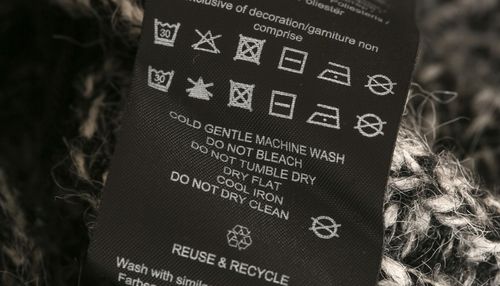
Knowing what not to put in the dryer is just the first step in proper garment care. It’s just as important to check the labels on textiles, which contain specific washing and drying instructions. Some clothes have restrictions related to temperature, while others must not be tumble dried at all. Following these guidelines will prolong the life of your textiles.


Conclusion

Understanding what not to put in the dryer is key to maintaining the quality of your clothes and preventing damage. By following a few simple rules, you can protect your favorite textiles and save yourself from unnecessary repairs or replacement. A little attention goes a long way. Take care of your clothes and they’ll stay looking perfect.


Listing controls

77 items total
Top