

When we look for ways to keep our clothes not only clean but also beautifully scented, we often reach for fabric softener. For years, it’s been an essential part of our laundry routines. However, in recent years, a new trend has taken the spotlight – laundry perfumes. If you haven’t heard about them...
Blog, Page 8
List of articles
6 Reasons to Choose Laundry Perfume Over Fabric Softener
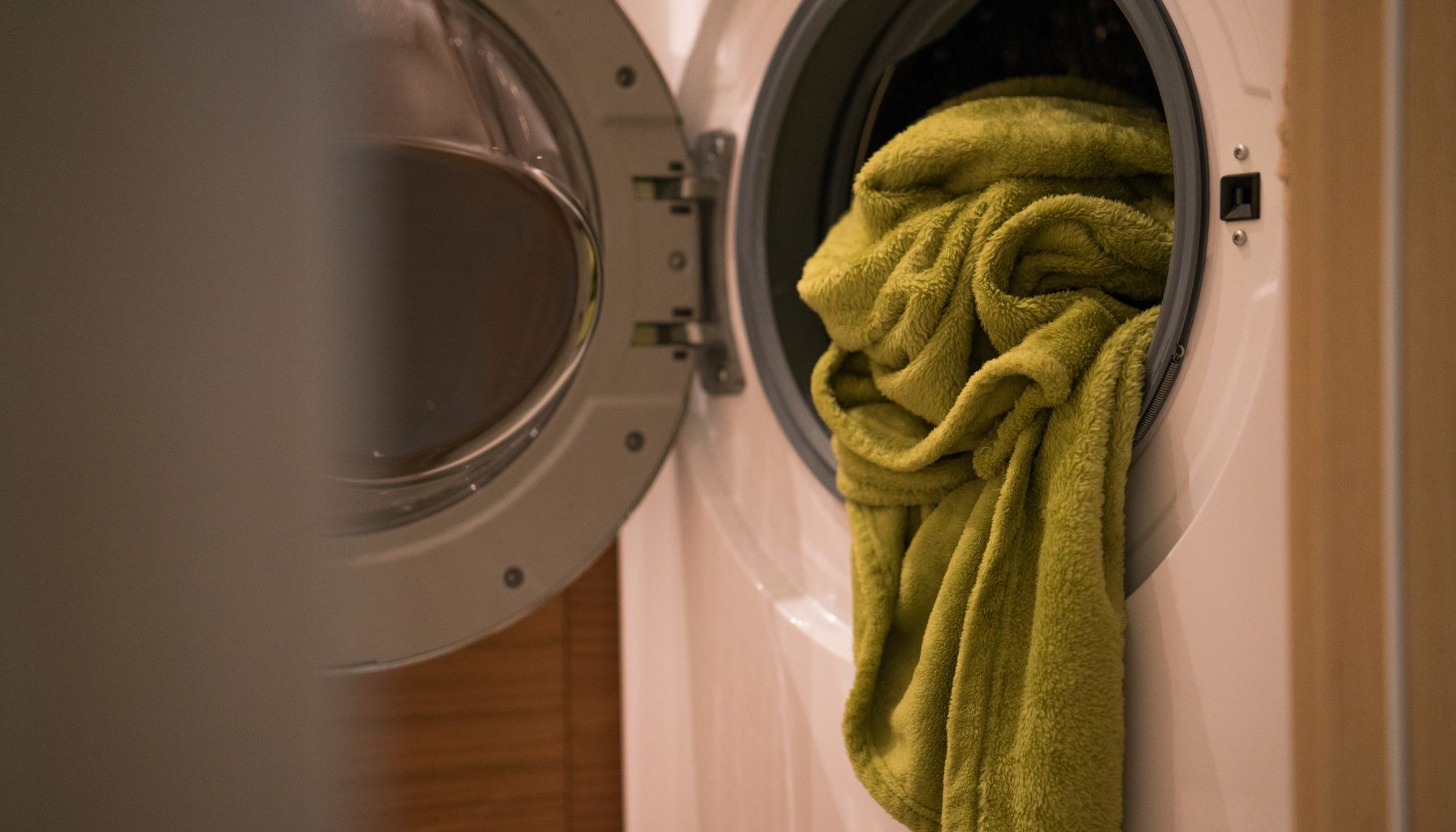
How to Wash Blankets Properly?
Blankets are an inseparable part of our homes. Whether you have a cozy winter blanket or a light summer one, regular cleaning is key to keeping them fresh and comfortable. In this article, you’ll learn how to wash your blankets the right way so they maintain their quality and durability.
Preparation Before Washing
The first step is always to check the care label on your blanket. Manufacturers provide instructions to help ensure your blanket stays in perfect condition. Some blankets can only be hand-washed, while others can be washed in a machine. Before washing, it’s important to remove any dirt by gently shaking or vacuuming the blanket. These steps prepare your blanket for effective cleaning.
Which Program to Choose?
If your blanket can be machine washed, select a gentle cycle with a lower temperature, ideally up to 30 degrees. Use detergents designed for delicate textiles, as they are gentle on the fibers. For larger blankets, it’s best to use a washing machine with a higher capacity so the blanket can be thoroughly washed. Hand washing is ideal for sensitive materials such as wool or cashmere, where you can monitor the entire process.
How to Dry Blankets Properly?
After washing, it’s crucial to dry your blanket the right way. Never use a dryer unless the manufacturer recommends it, as high temperatures can damage the fibers. Instead, gently press out the excess water with a towel. Lay the blanket flat to dry in a shaded area, so it keeps its shape. For larger blankets, you can use a drying rack, but avoid hanging them, as this could stretch the material.
How to Extend the Life of Your Blanket?
Proper care goes beyond washing. Store your blankets in a dry place to protect them from moisture and dust. Using protective covers or storage bags can prevent odors and dirt from penetrating the fabric. Regular airing will keep them fresh and ensure they remain pleasant to use..

Conclusion
Knowing how to wash blankets properly is key to their cleanliness and long lifespan. By following a few simple rules, you’ll preserve their softness, beautiful appearance, and comfort. Washing your blanket doesn’t have to be complicated, just a little care and attention is all it takes. Give your blankets the chance to remain perfect companions in your home.


5 Practical Tips for Washing Curtains Without Complications
Curtains are often the first thing visitors notice when entering a room. They add atmosphere, filter light, and provide privacy. But how do you care for them so they always look fresh and beautiful? Washing curtains can be a challenge. Nobody wants to risk having them turn into a wrinkled mass or lose their softness. So let’s look at how to wash curtains properly, so they always look like new.
Preparing Curtains for Washing
Before washing, it’s important to thoroughly shake out your curtains to remove any dust and dirt that may have settled on them. This step might seem unnecessary, but it prevents dust from ending up in your washing machine. Once your curtains are ready, you can move on to washing..
Hand Wash or Machine Wash?
If you’re worried about damaging your curtains in the machine, you can always wash them by hand. However, most modern washing machines have special gentle cycles for delicate fabrics, which are suitable for curtains. Choose a low temperature (ideally 30 °C) and use a gentle program for delicates. For washing, it’s best to use mild detergents that help preserve the fabric’s original beauty.
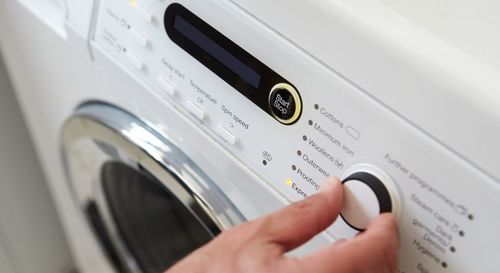
What Kind of Detergent Should You Use?
When washing curtains, it’s important to avoid harsh detergents that could damage the delicate fabric or alter its color. The best option is a detergent specifically formulated for delicate materials. This way, your curtains will stay beautiful not just to look at, but also to the touch.
Drying Curtains in the Dryer or in the Air?
When it comes to drying curtains, do not use a tumble dryer. Dryers are too harsh on delicate fabrics and can cause wrinkling or damage. The ideal solution is to hang your curtains back up on the window to dry naturally. The big advantage of this method is that curtains dry already hanging and stretched out, saving you time you’d otherwise spend ironing. If you do choose to iron them, use a low temperature and be very careful.
How to Keep Curtains Fresh?
Curtains tend to absorb odors from the kitchen, smoke, and other household smells. That’s why it’s important to make sure they smell clean and fresh after washing, so the scent lasts as long as possible. The right detergent will not only keep your curtains clean, but also leave a pleasant scent that creates a welcoming atmosphere in your home.
Keep Your Curtains Looking and Smelling Great for Longer
Washing curtains doesn’t have to be complicated if you follow a few simple rules: shake them out before washing, wash at a low temperature with a gentle detergent, and air dry. This will keep them looking beautiful and wrinkle-free. Your home will always feel neat and well cared for.
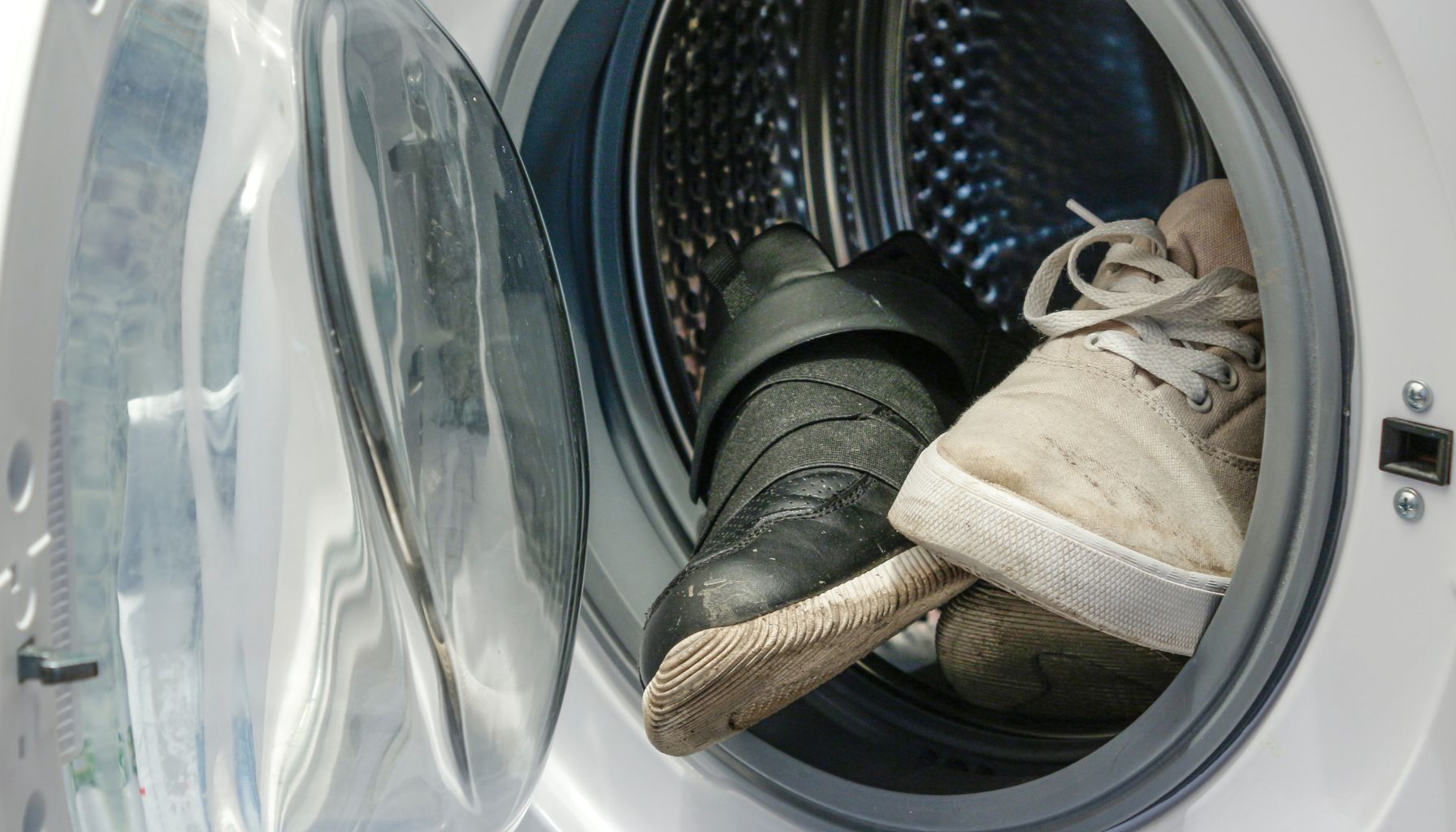
How to Wash Sneakers in the Washing Machine
Sneakers are an essential part of everyday life, and with regular use, they tend to get dirty quickly. Washing them by hand can be time-consuming, which is why many people prefer using the washing machine. If you want your sneakers to keep their quality and look, it's important to know how to do it right.
Preparation is key
Before tossing your sneakers in the washer, they need to be properly prepared. Remove the laces and insoles to prevent damage. Laces can be washed separately, while insoles are better cleaned by hand. Make sure to get rid of coarse dirt like mud or small stones to avoid damaging the machine. This simple step ensures more effective washing and better protection for your shoes.
Choose the right program
When washing sneakers, it’s crucial to select a gentle wash cycle with a maximum temperature of 30 °C. Avoid high heat, which can weaken glued parts of the shoes. Use a liquid detergent, which dissolves better and doesn’t leave stains. To protect your sneakers during the wash, place them in a laundry bag or an old pillowcase.
How to properly dry sneakers
After washing, it’s important to dry your sneakers properly. Never use a dryer, as high temperatures can damage the materials. Instead, let them air dry in a well-ventilated, shaded area to maintain their shape and color. To help them hold their form, stuff them with dry towels or paper.
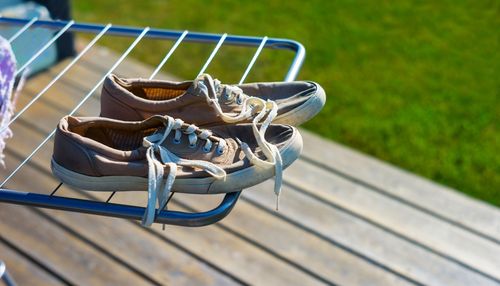
Not all sneakers are machine-washable
Always check the label on your shoes before washing to see the manufacturer’s recommendations. Leather, suede, or shoes with decorations may require hand cleaning. If you’re unsure, it’s safer to use a gentler method.
Following the right steps when machine washing sneakers will help extend their lifespan and keep them in excellent condition. By sticking to these simple tips, you’ll ensure your shoes stay clean, fresh, and ready for your next adventure.
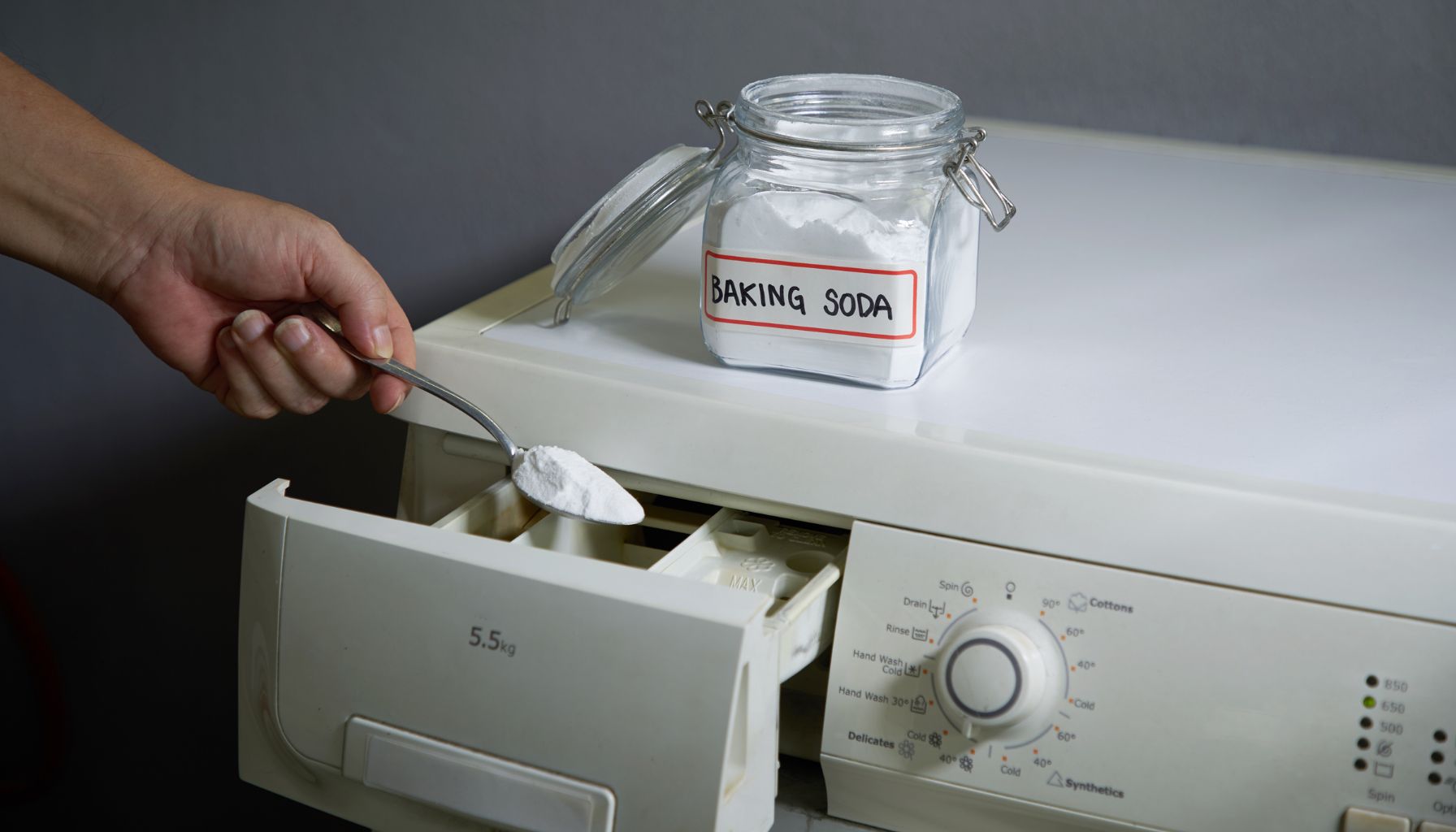
How to use baking soda for laundry?


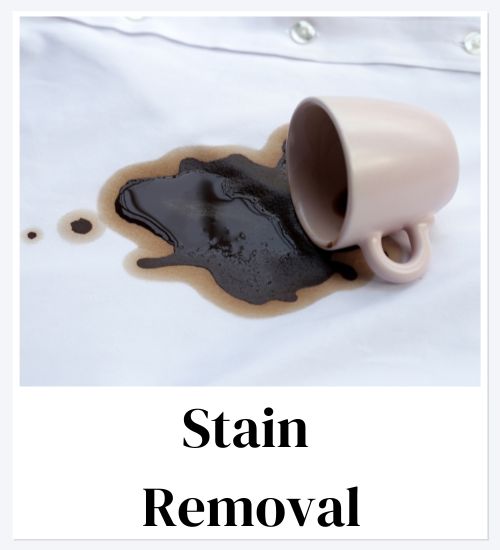
Baking soda is a great natural solution for washing different types of clothes. Thanks to its properties, it’s especially suitable for eliminating odors, removing stains, and softening water, which all improve the overall effectiveness of your laundry. Read on to see which types of clothing benefit the most from using it.
Why use baking soda?
Baking soda neutralizes odors and enhances washing results by softening the water and helping your detergent dissolve better. In addition, it’s gentle and suitable even for sensitive skin. It’s ideal for removing unpleasant smells from sportswear, bedding, or towels.
What types of clothes is baking soda suitable for?
Baking soda is perfect for sportswear, which absorbs sweat and odors, bed linen and towels, which require deep cleaning, and cotton clothing, which will benefit from added softness and freshness. However, it is not recommended for delicate fabrics, such as silk or wool.
When should you use baking soda?
- To remove odors:If you want to get rid of an unpleasant smell, add half a cup of baking soda directly into the washing machine drum along with your detergent. Your laundry will smell fresh and be free of unwanted odors.
- To soften water: In areas with hard water, baking soda can act as a natural water softener. Add a quarter cup to the wash cycle to prevent mineral buildup on your clothes.
- To remove stains:For effective stain removal, prepare a paste by mixing baking soda with water. Apply directly to the stain, let it sit for a while, then wash the garment as usual.
Important notes
While baking soda is gentle, it’s not suitable for delicate materials like silk or wool, as it may cause damage. Always check the garment’s care label to make sure baking soda is safe for that particular fabric.
Baking soda is a wonderful addition to your laundry routine. Its natural properties and versatility allow you to take care of your clothes effectively, sustainably, and affordably.
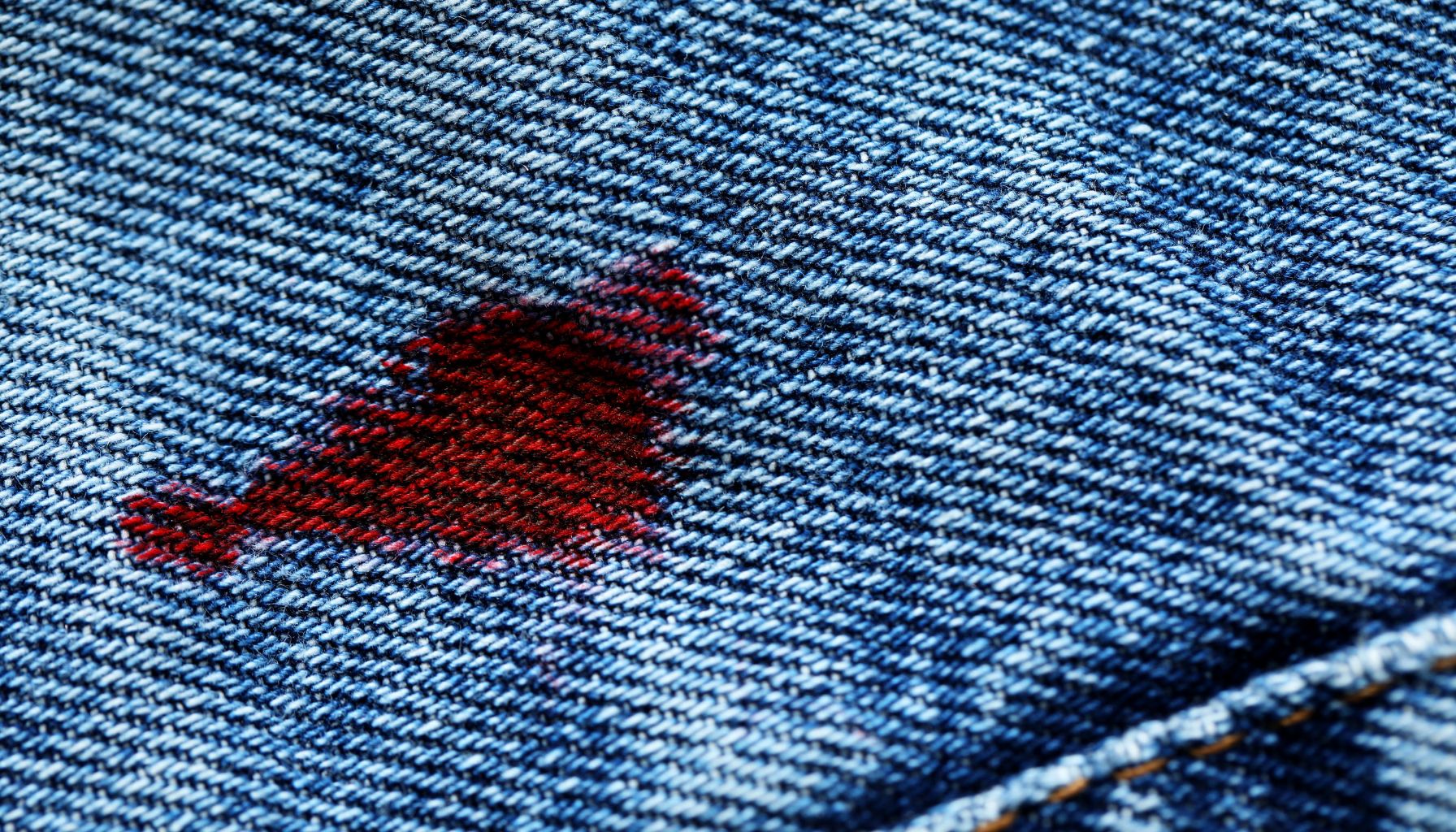
How to remove blood from clothes?
Removing blood from clothing can be tricky, especially if the stain has already dried. But with the right method, you can effectively get rid of stains without damaging the fabric. Check out these proven tips on how to tackle this common issue.
The sooner, the better
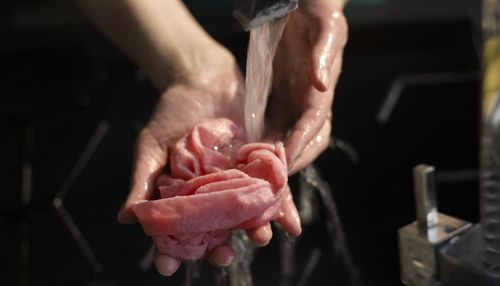
Fresh blood is much easier to remove. As soon as you notice the stain, rinse it under cold water, which helps prevent the blood from setting into the fibers. Never use warm or hot water, as it can "set" the blood, making the stain more stubborn.
Using natural helpers
If water isn’t enough, household products can help. Apply a bit of soap or mild detergent directly to the stain. It penetrates the fibers and loosens any remaining blood. You can also use baking soda mixed with water to form a paste, apply it to the affected area, let it sit briefly, then gently rub and rinse the fabric.
Try special stain removers
For dried stains, it's best to use special stain removers designed for textiles. Apply the product directly to the stain, let it sit for a few minutes, then wash the item according to the instructions on the care label. If you’re unsure whether the product is safe for the fabric, test it first on a less visible part of the garment.
Be careful with delicate fabrics
When dealing with delicate materials like silk or wool, be extra gentle. Use mild detergents and treat stains with care to avoid damaging the fabric. If you’re unsure, it's best to leave the garment to a professional cleaner.
How to prevent permanent stains?
To avoid permanent staining, never postpone cleaning. The sooner you start, the higher your chance of success. After treating the stain, wash the garment immediately following the instructions on the care label, ideally at low temperatures to protect the fabric.
Removing blood from clothes doesn’t have to be complicated as long as you know the right steps and use suitable methods. Whether you opt for home remedies or specialist stain removers, the key is to act fast and gently, so your clothes stay clean and undamaged.