
Blog, Page 7

List of articles

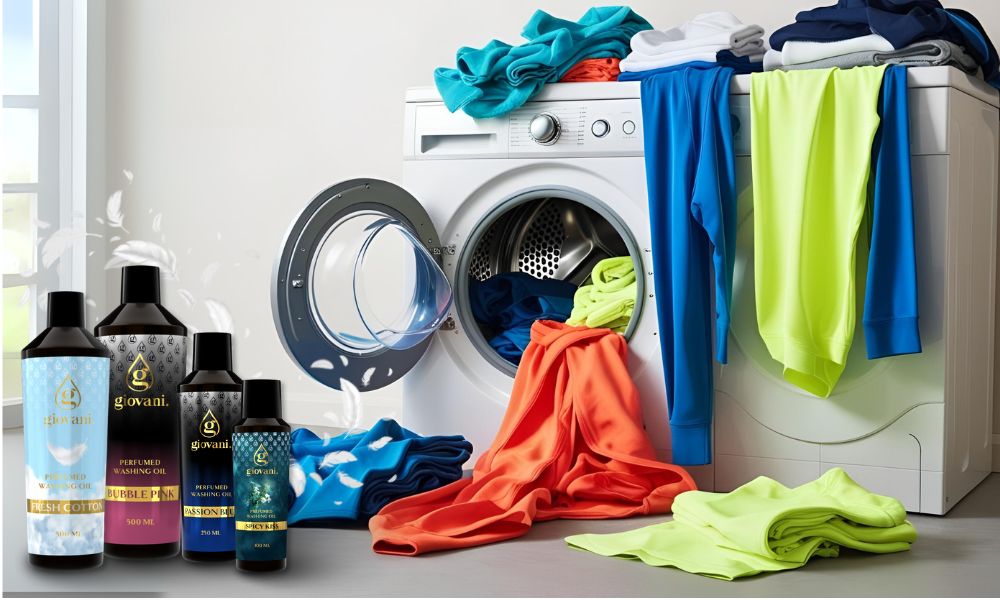
How to Refresh Sportswear

Sportswear is an inseparable part of every active lifestyle. It is designed to provide comfort, breathability, and durability during various activities. However, frequent use and contact with sweat or external elements can cause unpleasant odors and dirt that regular washing cannot remove.

How to refresh sportswear and extend its lifespan? This article offers practical tips and tricks to help you get rid of unpleasant issues while keeping your sports pieces in excellent condition.


Why sportswear requires special care?

Sportswear is often made from synthetic materials designed to wick away sweat and dry quickly. However, these fabrics can trap dirt and bacteria, which settle in the fibers and cause unpleasant odors. Moreover, frequent washing in standard cycles can weaken their functional properties, such as elasticity or moisture-wicking ability. Therefore, it is important to know how to properly refresh sportswear so it retains its unique characteristics.


Tips for refreshing sportswear

01

Pre-washing – the key to success

If your clothing is heavily soaked with sweat, soak it in cold water with a bit of vinegar or baking soda before washing. Vinegar neutralizes odors, and baking soda helps remove dirt and sweat residues. Pre-washing is especially important for clothing used for intense activities such as running or weight training.

02

Choosing the right detergent

Regular detergents may not be suitable for sportswear as they can leave residues that disrupt the fabric's breathability. Use special detergents designed for functional textiles. These products are made to effectively remove dirt and bacteria without damaging the fibers.

03

Control the washing temperature

Wash sportswear at low temperatures, ideally between 30 and 40 °C. Higher temperatures can damage synthetic fibers and reduce their moisture-wicking ability. Always follow the care label instructions to avoid unnecessary damage.

04

Do not use fabric softener

Although fabric softener leaves a pleasant scent on regular clothes, it is unsuitable for sportswear. It can clog fibers and reduce their functional properties. To refresh your clothing, use laundry perfumes, essential oils, or special sprays for sports textiles instead.

05

Air drying

Sportswear is designed to dry quickly, so air dry it and avoid the dryer. High temperatures can damage elastic fibers and cause the fabric to lose its stretch. Hang your clothing on a hanger in a shaded area to maintain its shape and functionality.


How to extend the lifespan of sportswear

Sportswear often undergoes intensive wear. Here are some tips to maintain its quality as long as possible:

  • Do not change washing cycles: Stick to gentle programs that minimize mechanical stress on the fabric.
  • Use protective laundry bags: These bags protect clothing from friction and extend its lifespan.
  • Wash after each use: To prevent sweat and bacteria buildup, wash sportswear after every wear.


Natural methods to remove odors

Baking soda as a miracle helper

Baking soda is a universal household helper and works wonders in removing odors from sportswear. Simply add half a cup of baking soda directly to the wash cycle or sprinkle it on clothing before washing. Baking soda neutralizes odors while gently cleaning the fabric.

Vinegar for deep cleaning

Vinegar not only removes unpleasant odors but also helps prevent bacteria from settling in fibers. Add half a cup of vinegar to the final rinse to keep clothing fresh and soft. Do not worry about the smell of vinegar – it disappears completely after drying.

Essential oils for a pleasant scent

To refresh sportswear, add a few drops of essential oil, such as lavender or tea tree oil, to the wash. These oils not only smell pleasant but also have antibacterial properties.


Regular care pays off

Regular maintenance of sportswear not only extends its lifespan but also improves your comfort while wearing it. Fresh and clean clothing gives you confidence and a feeling of freshness during every activity. By following our tips, your sports pieces will retain their functional properties even after many washes.


Conclusion

Refreshing sportswear is not rocket science, but it requires the right approach and care. By following the tips above, you ensure that your sports pieces remain fragrant, hygienically clean, and ready for new challenges.

Sportswear is an investment in your comfort and performance, so it deserves the best care. Try our methods and see that even simple maintenance changes can make a big difference! Clothing that you take care of properly will reward you not only with a longer lifespan but also with a consistently perfect appearance.

 

Fragrance as a Tool of Self-Presentation

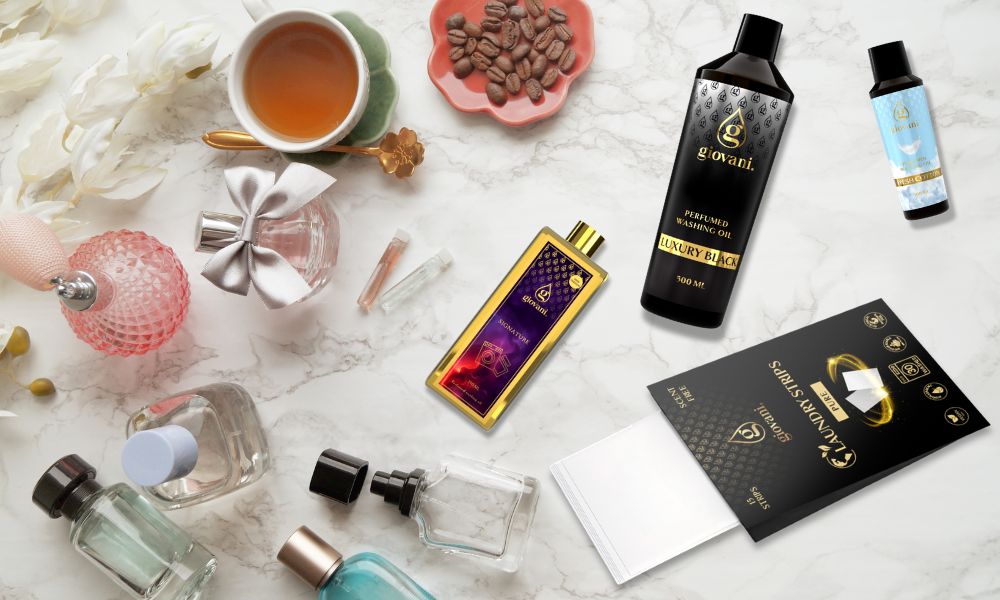
Scent is one of the most powerful sensory perceptions, capable of significantly influencing how others perceive us. It can be a subtle yet powerful part of our self-presentation, speaking for us without a single word. But it’s not always just about classic perfumes on the skin. Scents we use on our clothing, in the home, or even in the wardrobe are equally important and can shape the impression we leave. By properly using products such as laundry perfumes, scented candles, or laundry strips, we can create an unforgettable impression.

Why is scent important in self-presentation?

Scent is the first signal our senses pick up when encountering a new environment or person. It can instantly evoke emotions, memories, and moods. Using the right scents gives us the opportunity to influence the atmosphere around us while presenting our personality.

The scent on clothing, derived from a quality laundry perfume, can convey freshness, cleanliness, and attention to detail. Similarly, subtle fragrances that fill our homes through scented candles create an impression of the type of environment we prefer and the lifestyle we lead.

Clothing scents as a reflection of personality

Clothing is not just about fashion but also about the overall impression it leaves. And the scent associated with our textiles can enhance that impression. Laundry perfumes offer various options, from fresh citrus notes to luxurious woody accents, reflecting our preferences. Choosing a scent that represents you allows you to subtly communicate who you are.

For everyday wear, fresh and light scents like lemon or mint are suitable, radiating energy and dynamism. For more formal occasions, you can opt for elegant notes like amber or vanilla, symbolizing sophistication and professionalism.

Home as a mirror of our identity

The environment we live in is our business card. Therefore, the scents we choose for our home should reflect our personality and preferences. Scented candles can transform an ordinary space into a place full of harmony and calm. A gentle lavender aroma can induce relaxation, while sweet vanilla notes create an atmosphere of comfort and warmth.

When hosting guests, the scent in your home is the first signal they notice. Try to enchant them with fragrances that are pleasant yet distinctive, such as combinations of citrus and spicy notes or fresh herbal accents that feel natural and uplifting.

Scent as a memory

Scents have a unique ability to evoke memories. Each of us has a scent that instantly transports us to a specific moment in the past. By choosing fragrances that can create unique memories, you become part of the experiences of those around you. Using laundry strips or laundry perfumes with gentle notes of lavender or white tea can create a sense of home and comfort.

Combining scents for a perfect effect

When creating the perfect impression, it is important that the scents you use are harmonious. The combination of scents on clothing, in the wardrobe, and in your space should create an overall impression that is coherent and pleasant. Harmony between laundry perfumes, scented candles, and natural fresheners can greatly influence the overall atmosphere.

How to choose the right scent for self-presentation?

  1. Consider your style and personality.
    If you prefer a minimalist style, opt for subtle and unobtrusive scents. If you enjoy bold elements, choose more daring notes.
  2. Adapt scents to the occasion.
    Fresh and light scents are suitable for everyday wear, while more intense and luxurious notes are appropriate for evening events.
  3. Don’t be afraid to experiment.
    Combining different scents allows you to create a unique signature that defines you.

Scents as part of your image

Scents are not just an accessory but also a tool that completes our image. A carefully chosen fragrance can act as an invisible signature, lingering in the memory of everyone who meets you. Laundry perfumes and scented candles from Giovani.ie offer the opportunity to create your own unique identity through scents that leave an unforgettable impression.

Scent as your silent spokesperson

Scent is a powerful tool that can tell a story about you, your preferences, and lifestyle. Whether it’s a subtle scent on clothing provided by laundry perfumes or a unique home atmosphere created by scented candles, it is always a way to leave a positive impression. Don’t hesitate to invest time in choosing the right scents that will accompany and support you in your self-presentation. Explore, discover, and create your own olfactory signature that will speak for you.


How Washing Affects the Lifespan of Fabrics

Laundry is an inseparable part of caring for our clothing. It ensures cleanliness, freshness, and hygiene, while also directly affecting the lifespan of textiles. Properly chosen washing methods can preserve the quality and appearance of clothing for a long time, whereas improper handling can irreversibly damage textiles. In this article, we will look at how washing affects the lifespan of textiles and offer you tips for gentle care.

“Clothing that is properly cared for will reward you not only with a longer lifespan but also with a consistently perfect appearance.”

Mechanical Wear During Washing

Every wash exposes textiles to mechanical stress. The movements of the washing machine drum, friction between fabrics, and high spin speeds can weaken fibers. This wear is a common cause of pilling, small holes, or loss of elasticity.

To minimize mechanical damage, always sort clothing by material type and select gentle wash programs, especially for delicate fabrics like silk or fine cotton.

Using protective laundry bags is another effective way to protect delicate clothing from damage. These bags prevent direct fabric friction and reduce the risk of damage from zippers or buttons.


Water Temperature and Its Impact on Fibers

Improperly chosen water temperature is one of the main factors affecting the lifespan of textiles. High temperatures can cause natural materials like wool or cotton to shrink, or deform synthetic fabrics. Moreover, hot water weakens colours and increases the risk of fading.

To extend the lifespan of your clothing, follow the temperature recommendations on the labels. Most textiles can be washed at 30–40 °C, which is sufficient to remove common dirt and bacteria. For sportswear or bed linen that require deeper cleaning, higher temperatures can be used, but always according to the specific material.


Impact of Detergents

Detergents are designed to effectively remove dirt, but their composition can be harsh on textiles. Enzymes and bleaching agents in washing powders can weaken fibers, while fabric softeners may cause textiles to lose their natural breathability.

When choosing a detergent, consider the type of clothing. Delicate fabrics and children's clothing require gentle detergents without harsh chemicals. For colored clothing, use special washing gels that help maintain colour intensity.

If your goal is a more eco-friendly household, opt for natural detergents that are gentle on both textiles and the environment.

Impact of gentle detergents


Frequent Washing Factor

Every wash shortens the lifespan of textiles, so it is important to consider how often clothing really needs to be washed. Not all items require washing after every wear. Jeans, sweaters, or coats can be washed less frequently, while underwear or sportswear needs regular washing.

Between washes, you can refresh textiles using natural fresheners or let them air out. This simple step helps reduce material wear while extending the lifespan of your clothing.


Drying – an Underestimated Care Step

The way you dry clothing has an equally significant impact on the lifespan of textiles as washing itself. High temperatures in the dryer can cause shrinkage or deformation, while drying in direct sunlight can lead to colour fading. Delicate fabrics like silk or synthetics are recommended to be dried flat to maintain their shape.

For longer clothing life, air drying away from direct sunlight is ideal. If you use a dryer, choose lower temperature programs and check if the specific material is suitable for this drying method.


Long-Term Textile Care Tips

If you want to extend the lifespan of your clothing, incorporating a few simple rules into your daily routine can make a big difference:

Sorting Clothing
Wash whites, colours, and darks separately to prevent colour transfer.

Protecting Delicate Fabrics
Use protective laundry bags and gentle wash programs.

Colour Restoration
Add a little vinegar to the wash, which helps maintain colour intensity and neutralize odors.

Regular Washing Machine Maintenance
Clean drum and filters ensure that your clothes come out truly fresh after washing.


Conclusion

Laundry is an essential part of clothing care, and its impact on the lifespan of textiles is significant. Proper washing and drying methods and the choice of suitable detergents can greatly extend the lifespan of your clothing. By following the recommendations in this article, your clothes will remain beautiful and functional longer, saving not only your finances but also the environment. Clothing that is properly cared for will reward you not only with a longer lifespan but also with a consistently perfect appearance.
 

The History of Fragrance in Clothing Care

From ancient times to the present, scents have played a significant role in clothing care. Beyond purely practical reasons, such as removing odors, scents were also associated with social status, cultural customs, and aesthetics. This fascinating story spans thousands of years and is full of interesting discoveries and innovations.

Early Experiments with Scents: Ancient Egypt and Mesopotamia

Scent and clothing care began to develop in antiquity. In Egypt, where cleanliness and hygiene were emphasized, aromatic oils and herbs were used not only on the body but also on garments. Essential oils from sandalwood, frankincense, or myrrh were used to fragrance fabrics and simultaneously protect against insects.

Similar practices were known in Mesopotamia, where scents were considered gifts from the gods. Textiles were soaked in fragrant oils, which not only enhanced their aroma but also provided spiritual protection. Aromatic substances, such as cedar and saffron, were among the most valuable commodities.


Ancient Greece and Rome: Luxury and Elegance

In ancient Greece, clothing care and scents were linked to the lifestyle of the upper classes. Wealthy Greeks used special scented soaps made from olive oil and herbs for washing. Garments were then stored in wardrobes along with sachets filled with dried flowers and herbs such as lavender or rosemary.

The Romans took this trend even further. In Roman villas, special rooms for storing clothing were common, where fragrant substances were used for protection and scenting. Perfumes and aromatic oils were applied directly to fabrics, with scents like rose, violet, and iris among the most popular.


Middle Ages: Protection Against Diseases

In the Middle Ages, clothing care was primarily associated with disease prevention. It was believed that bad odors carried infection, so strong fragrances were used to eliminate this problem. Garments were often stored in chests along with herbs such as wormwood, sage, or cloves, which had disinfectant properties.

At royal courts, however, scents were also used to emphasize wealth and status. Fabrics were perfumed with precious essences imported from the Orient. It was common for clothes to be scented with incense before important social events.


Renaissance: Perfume as a Symbol of Prestige

The Renaissance period brought a boom in the use of scents. During this time, the first distilled perfumes were produced, gaining popularity not only among the nobility but also among broader society. Fragrances such as jasmine, bergamot, and lemon were used for washing and storing garments.

It was in this period that the first scented handkerchiefs and fabric inserts were created, which people placed in their clothing to keep garments fragrant throughout the day. Perfumes became an integral part of the wardrobe and a symbol of taste.


Industrial Revolution: Scents for Everyone

With the advent of the industrial revolution, clothing care changed. New technologies allowed the mass production of soaps and laundry detergents enriched with fragrances. Scents became accessible to everyone, not just the elite. Lavender, lemon, and rose were among the most commonly used essences.

During this period, the first chemical scents were also developed, imitating natural aromas. These synthetic fragrances were cheaper and more stable, allowing their wider use in detergents and fabric softeners.


Modern Era: Personalization of Scents

Today, clothing care is closely linked to personalization. Scents are adapted to individual tastes and lifestyles. The market offers a wide range of products from eco-friendly and natural products to luxury laundry perfumes.

Natural scents such as lavender, eucalyptus, or lemongrass are popular for their freshness and ability to neutralize odors. On the other hand, modern synthetic fragrances offer complex and long-lasting aromas, giving clothing a unique character.

Scents - The Fusion of History and Elegance


The Future of Scents in Clothing Care

With the growing emphasis on sustainability and eco-friendly care, the development of scents in clothing care focuses on natural and biodegradable ingredients. Manufacturers invest in research that allows creating fragrances without harmful chemicals and with a reduced environmental impact.

Personalized scents, which customers can mix according to their preferences, are another step in this evolution. Technology will enable everyone to create their own unique scent, reflecting their personality and style.


Scent as Part of Our Identity

The history of scents in clothing care is a story of innovation, cultural customs, and aesthetics. Scents have played a key role in our daily lives and continue to influence how we perceive ourselves and our surroundings. Whether it is lavender sachets in the wardrobe or luxury laundry perfumes, scents remain an integral part of clothing care.

In today's world, we have the option to choose fragrances that reflect our style, mood, and values. The story of scents in clothing care is an example of how small details can greatly enrich our daily lives.


Tips for Washing Delicate Fabrics and Lingerie

Caring for delicate fabrics and lingerie requires special attention. These materials are often sensitive to regular wash cycles and inappropriate cleaning agents. Therefore, they deserve gentle handling. If you want your favorite clothes to maintain their quality, softness, and shape for as long as possible, here are some practical tips for proper washing.


Why is caring for delicate fabrics important?

Delicate fabrics such as silk, lace, satin, or viscose have special properties that make them beautiful and comfortable but also prone to damage. Lingerie is additionally in direct contact with the skin, so it requires care that maintains hygiene while protecting sensitive materials. Proper washing extends the lifespan of clothing and ensures that it retains its appearance and functional properties.


Sorting laundry is essential

Always separate delicate fabrics and lingerie from other clothes before washing. Delicate materials can be damaged by rougher fabrics, such as denim or thick cotton. We recommend washing lingerie separately, to prevent pilling and other damage.

Choosing the right detergent

Use gentle detergents designed for sensitive fabrics. Regular cleaning agents may contain harsh chemicals that can damage delicate fibers. Try hypoallergenic or natural alternatives that are gentle not only on fabrics but also on your skin.

Hand wash or washing machine?

The best option for delicate fabrics is hand washing. Fill a basin with lukewarm water, add a small amount of detergent, and gently massage the clothing. When rinsing, ensure all detergent residues are removed. If you prefer machine washing, set it to a gentle cycle with low temperature (30 °C) and use protective laundry bags.

Drying with regard to material

Never spin delicate fabrics at high speeds, and avoid tumble drying unless necessary. Air drying is ideal – lay the clothes on a clean towel and let them dry naturally. Avoid direct sunlight, which can weaken colours and fibers.

Storing delicate lingerie

Proper storage is as important as washing itself. Store delicate fabrics in areas protected from moisture and direct sunlight. Place lingerie in drawers with enough space, so it maintains its shape and does not crease.


How to handle common problems when washing delicate fabrics

Discolouration

If delicate fabrics have become discoloured, soak them in cold water with a bit of baking soda or a special stain remover for delicate materials. It is important to act quickly to prevent the discolouration from setting.


Pilling

If water alone isn’t enough, home remedies can help. Apply a gentle remover or a special comb to remove pills. Avoid sharp objects that could damage the fabric. Regular use of protective laundry bags reduces pilling.


Loss of shape

To restore the shape of delicate clothing, gently stretch it back to its original form during drying. However, avoid excessive stretching to prevent weakening the fibers.


Special tips for washing different types of delicate materials

  • Silk

    Silk garments require exceptional care. They should be hand washed only using special silk detergents. Never wring or twist them to avoid damaging their delicate fibers. If ironing is necessary, set a low temperature and use a protective cloth.
  • Satin

    Satin garments should be washed at low temperatures. When drying, avoid ironing directly on the fabric – if ironing is needed, use a protective layer, such as a thin cotton towel.
  • Lace

    Lace pieces are very delicate and prone to snagging. Hand washing is recommended, or use protective bags when machine washing. Dry them flat to maintain their shape.
  • Underwired lingerie

    Underwire bras should never be washed in a machine without a protective bag to prevent deformation or damage to the underwire. Hand washing is safest for these items.
  • Delicate panties

    These items require gentle washing, ideally by hand, using minimal detergent. After washing, gently press them with a towel and dry flat.


Long-term care pays off

Washing delicate fabrics and lingerie takes more time and patience, but the reward is longer lifespan and maintained quality. Investing in gentle care for your favorite clothes is definitely worth it, as it not only saves replacement costs but also improves comfort when wearing them.

By following these tips, your delicate fabrics and lingerie will look and feel like new. Remember, proper care is the key to their beauty and longevity.


How to Make a Natural Wardrobe Freshener

If you want your wardrobe to always smell fresh and natural, you don’t have to rely on commercial air fresheners full of chemicals. Natural fresheners are easy to make, environmentally friendly, and allow you to customize the scent according to your preferences. This article will show you how to make a natural wardrobe freshener that not only refreshes your space but also protects your clothes from unpleasant odors.


Why choose natural fresheners?

Wardrobe fresheners have many advantages. They are eco-friendly, free of harmful chemicals, and safe for sensitive skin. Moreover, making them is cheap and simple, so you can prepare them at home in just a few minutes. Commercial fresheners often contain synthetic fragrances and chemicals that can irritate the respiratory system or cause allergic reactions. With natural alternatives, you get freshness without risks to your health or the environment.


Basic ingredients for your freshener

To make a natural freshener, you only need a few simple ingredients that you may already have at home:


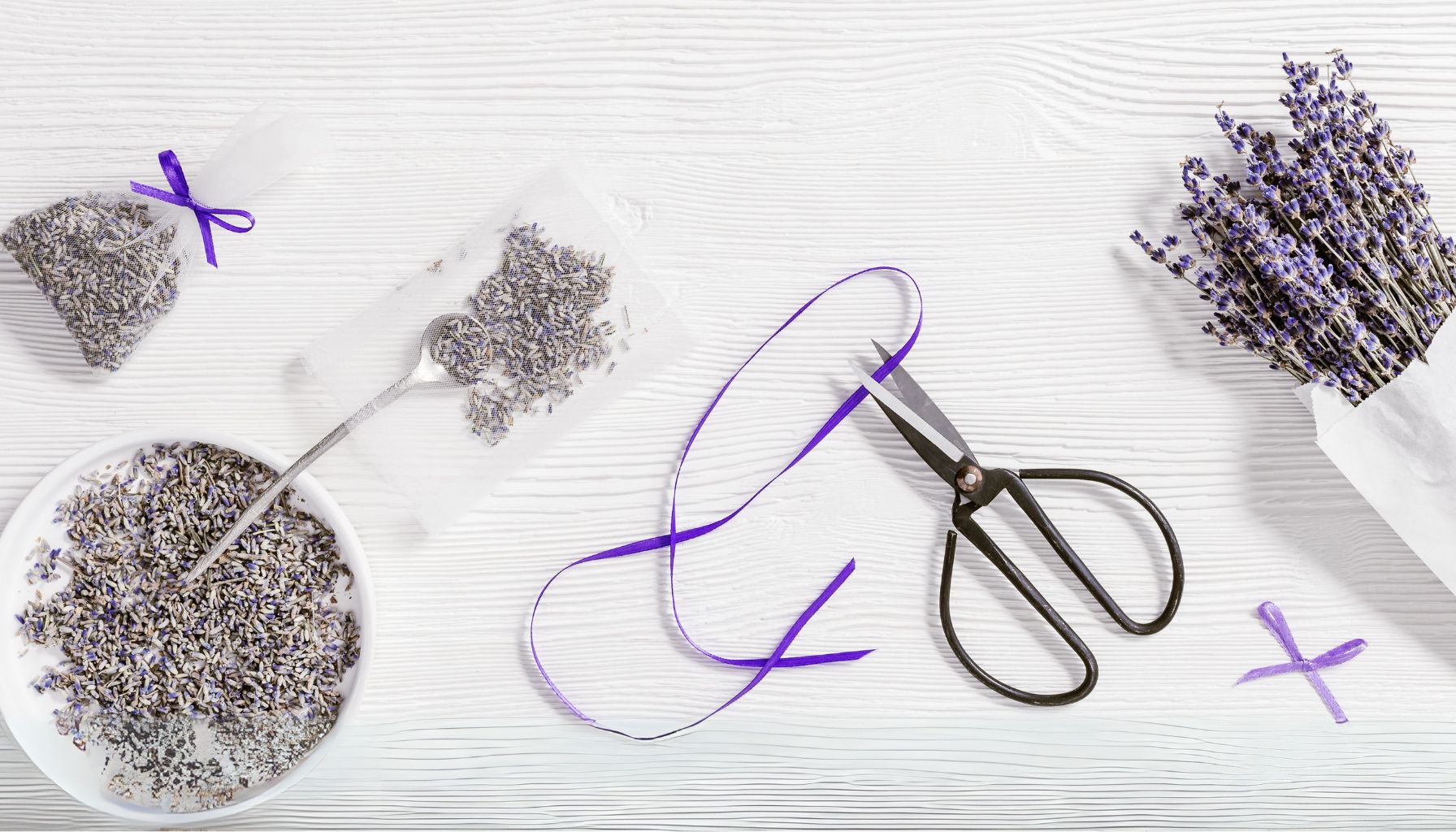
  • Essential oils: Lavender, mint, lemon, orange, or rosemary are great choices.
  • Baking soda: Neutralizes odors and keeps freshness.
  • Dried herbs or flowers: Lavender, rose petals, or chamomile add a gentle scent and aesthetic appeal.
  • Cotton bags or small containers: Used to store the mixture.
  •  
  •  
  •  


Why invest in a homemade freshener?

Making your own freshener allows you to customize the scent exactly according to your preferences and needs. You have full control over the ingredients used and can avoid synthetic substances that could be harmful. Moreover, creating your own freshener can be fun and relaxing, especially if you involve children or friends.


How to make it

  1. Choose your scent: Decide what atmosphere you want to create in your wardrobe. Lavender is calming, citrus is refreshing, and rosemary adds energy.

  2. Mix the ingredients: In a small bowl, add 2–3 tablespoons of baking soda. Add 10–15 drops of essential oil of your choice. If desired, also add dried herbs or flowers.

  3. Fill the bags: Transfer the mixture into cotton bags or small containers that can be closed. If using containers, make sure they are perforated so the scent can freely escape.

  4. Place in the wardrobe: Put the freshener on shelves, hang on hangers, or place in drawers. Make sure it is in a spot where the scent can circulate freely.

Tips for customizing your freshener

  1. Combine scents: To create a unique aroma, experiment with combinations of essential oils. Citrus scents can be combined with lavender or mint for a fresher effect.

  2. Add decorations: For a more aesthetic appearance, you can add dried petals, cinnamon sticks, or dried fruit to the bags. Not only does this improve the scent, but the freshener will also look beautiful.

  3. Refresh the scent: When the scent begins to fade, simply add a few drops of essential oil to the baking soda or herbs.


Natural wardrobe care

Using natural wardrobe fresheners has multiple benefits. Besides a fresh scent, herbs like lavender can repel moths that could damage your clothes. Regularly replacing fresheners also helps keep your wardrobe clean and pleasantly scented.


Sustainability first

Making natural fresheners is eco-friendly and helps reduce the amount of plastic waste generated from buying commercial products. Using natural materials and reusable bags or containers reduces your ecological footprint and contributes to environmental protection.


Conclusion

Natural wardrobe fresheners are a simple, eco-friendly, and effective way to keep your space fresh and fragrant. Just a few basic ingredients and a bit of creativity allow you to enjoy a scent that perfectly reflects your style and mood. Try making your own freshener today and see how easy and enjoyable it can be. Make your wardrobe a place where you always feel good, and let the scent tell your story.


Listing controls

80 items total
Top