


Tips and advice, Page 4

List of articles

How to Hand Wash Properly: A Complete Guide

Hand washing is an ideal way to care for delicate fabrics and clothing that require special attention. Learn how to wash by hand correctly so that your favorite clothes retain their quality and last as long as possible.

When is it appropriate to hand wash?

Hand washing is particularly suitable for fabrics that can be damaged by intense machine agitation. This is typically the case for delicate underwear, silk scarves, wool sweaters or cashmere and clothing with embellishments, such as beads or rhinestones. Hand washing is also recommended when you want to prevent rapid wear and colour fading.

Choose the right detergent

When hand washing, use a gentle detergent designed for hand washing or delicate fabrics. Special detergents are gentle on fibers and help keep the material in excellent condition. Choosing the right detergent is a fundamental step in proper hand washing.

Prepare lukewarm water

Fill a container or sink with lukewarm water, ideally up to 30 °C. Water that is too hot can cause the fabric to shrink and affect its colours. The correct water temperature is key to gentle washing.

Washing without scrubbing

Gently immerse the clothing in the water and let the detergent work. Slowly press it to release dirt, but avoid intense scrubbing or twisting that could damage the fibers. Gentle pressing is the best way to hand wash.

Rinse in clean water

After washing, thoroughly rinse the clothing in clean water to remove all detergent. You can repeat this step to ensure no residue remains on the clothing.

Drying without wringing

After rinsing, gently squeeze the clothing without twisting, ideally between two towels, to remove excess water. Avoid the dryer and let the clothing dry on a flat surface to maintain its shape.

Avoid fabric softener

When hand washing, it is not recommended to add fabric softener, which can disrupt the natural properties of the material. Hand washing is naturally gentle, so using fabric softener is unnecessary.

Proper care of delicate clothing through hand washing ensures that your clothes retain their colour, shape, and quality for a long time.

How to Wash Pillows: Keep Them Fresh and Clean

Regular pillow washing is important to maintain their freshness, hygiene, and longevity. During sleep, they absorb sweat, skin cells, and dust, which can lead to unpleasant odors or allergies. Learn how to properly wash pillows to ensure a longer lifespan and a more comfortable sleep for you.

‌​

How often should you wash pillows? 

It is recommended to wash pillows at least twice a year. For allergies or excessive sweating, more frequent washing is advisable – for example, once a quarter. Regular maintenance keeps pillows in excellent condition and hygienically clean.

  • 1. Synthetic fillings:

    Pillows with synthetic fibers are usually suitable for machine washing. Wash them at a low temperature (30–40 °C) on a gentle cycle to retain their shape and volume.

  • 2. Feather and down fillings:

    Wash these pillows gently in a washing machine or by hand at a temperature up to 30 °C. Use a special detergent for down and add a few tennis balls to the drum. They help maintain fluffiness.

  • 3. Memory foam and latex:

    These pillows are not suitable for machine washing or hot water as they may lose their structure. It is best to wash only the cover in the machine, air out the pillow, and gently clean the surface with a damp cloth.

Proper drying

After washing, let pillows dry thoroughly in the air or in a dryer (only for synthetic and feather fillings). Longer drying on a low setting helps keep the pillow dry and fluffy, preventing mold growth.

Tips for maintaining freshness

Between washes, you can occasionally air out pillows to keep them fresh. Also, regularly clean the covers, which protect the filling from dirt and extend the intervals between washes.

Proper pillow care increases their lifespan and hygiene, providing you with a comfortable and healthy sleep.

How to Wash Softshell: Tips for Long-Lasting Durability and Functionality

Softshell is a popular material for outdoor clothing, providing protection against wind and rain while remaining breathable. Proper care is important to maintain its functional properties. Learn how to wash softshell correctly so it lasts as long as possible.

How often should you wash softshell?

Softshell clothing does not require frequent washing, unless it is heavily soiled. Washing too often can weaken the water-repellent layer, so it’s best to wash it only when truly necessary – for example, after a hike, if it’s heavily soiled or soaked with an unpleasant odor.

Choosing the right detergent

Use a special detergent for functional fabrics or sportswear to wash softshell. Regular detergents can leave residues that reduce breathability. Choosing the right detergent is a key step in caring for softshell.


Set a gentle wash cycle and low temperature

Wash softshell in the washing machine on a gentle cycle at temperatures up to 30 °C. Avoid fabric softener, which can clog the fabric pores and reduce breathability and water repellency. Washing at low temperatures helps preserve the softness and flexibility of the material.

Air drying

Air drying

After washing, let the softshell dry freely in the air, ideally laid flat. The dryer is not recommended, as high temperatures can damage the fabric and reduce its functional properties.

Restoring water repellency

Softshell is often treated with a special water-repellent layer that gradually weakens with washing. If you notice that the material no longer repels water as before, it is advisable to use a spray or special softshell treatment. Restoring water repellency is an excellent way to extend the lifespan of the clothing.

Proper care of softshell will help maintain its functional properties, so it serves you for many seasons.


How to Achieve a Luxurious Scented Laundry Effect Without Fabric Softener

Each of us longs for laundry that not only smells perfect but also leaves an impression of luxury and cleanliness. However, not everyone wants to use fabric softener, whether due to sensitive skin, environmental concerns, or simply looking for alternatives. Fortunately, there are many ways to achieve this effect without fabric softener. It only takes a bit of creativity, natural solutions, and a few tried-and-true tips.


Why not use fabric softener?

Although fabric softener is a popular helper, it also has its drawbacks. It can leave residues on fibers, reducing their breathability. For sensitive skin, it can be irritating and in some cases even cause allergies. Additionally, using fabric softener is not the most environmentally friendly. Finding alternative methods for laundry care is therefore not only gentle but also a sustainable solution.

Scents as the basis of luxury

The first step to luxuriously fragrant laundry is choosing the right scented products. Here are some options that can replace fabric softener while creating an unforgettable scent.

Essential oils – natural elegance

Essential oils are a perfect solution for fragrant laundry. Just add a few drops to the wash cycle or prepare a mixture with water and spray it on clothing before ironing. Lavender, jasmine, or citrus tones give laundry a subtle and lasting scent. The advantage of essential oils is their natural composition and wide range of fragrances that can be tailored to your preferences.

Baking soda and vinegar

These two common kitchen ingredients can work wonders. Baking soda neutralizes odors and softens water, while vinegar acts as a natural fabric softener. Add half a cup of baking soda and a cup of vinegar to the wash cycle, and your laundry will not only be clean but also freshly scented. To neutralize the vinegar smell, simply add a few drops of essential oil.

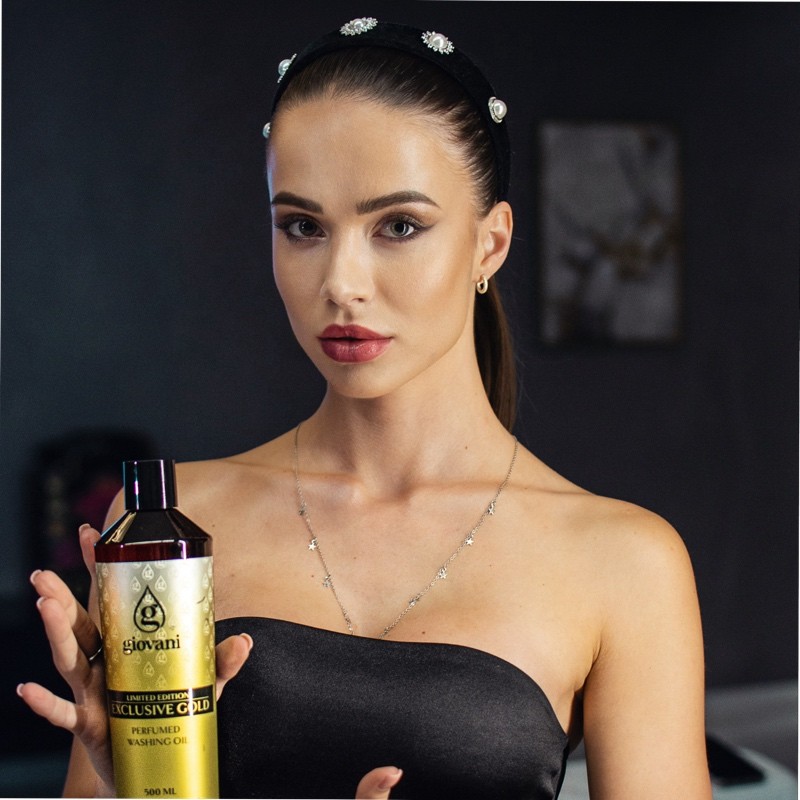
Premium laundry perfumes by Giovani

Laundry care for long-lasting effect

To keep laundry fragrant and luxuriously soft, proper care is essential. Daily habits can significantly affect how your laundry feels and smells.

Proper washing is key

Choose a gentle detergent without synthetic fragrances when washing. These detergents are fiber-friendly and leave no residue. Follow the recommended temperature on the garment label to prevent fabric damage and maintain softness.

Air drying

Air drying laundry is one of the best ways to maintain its freshness. If possible, let it dry outdoors. The scent of laundry dried outside is incomparable and natural. Avoid drying in enclosed spaces without proper ventilation, as this can lead to unpleasant odors.

Laundry scents – your secret weapon

Laundry perfumes are becoming an increasingly popular addition to laundry care. Their composition is designed to keep the scent long-lasting while leaving no residues on clothing. Just add a few drops of laundry perfume to the wash, and the result will pleasantly surprise you.

Choosing a scent according to the season

For an even more luxurious effect, you can select scents according to the season. In spring, choose fresh floral tones like lily of the valley or magnolia. Summer is dominated by citrus and exotic fruits, creating a feeling of lightness. In autumn, woody and spicy scents are suitable, giving laundry a warm touch. In winter, enhance it with elegant notes of vanilla or cinnamon.


Small tricks for a big effect

For an even more noticeable effect, try these simple tips:

Herb sachets
Lavender, mint, or rosemary placed in small cloth sachets in the wardrobe refresh laundry and repel pests.

Scented washing beads
These products are designed to keep laundry beautifully fragrant all day long.

Regular washing machine maintenance
A dirty washing machine can negatively affect clothing scent. Regular cleaning of the drum and filters prevents buildup of dirt and bacteria.

Enhancing fragrance with sprays

For a quick freshness boost, you can use scented sprays designed for fabrics. Simply lightly spray clothing before wearing or placing in the closet. Sprays with essential oils offer rich aromas and are gentle on fabrics. To intensify the scent, choose sprays with a higher proportion of natural ingredients.

Conclusion

Achieving a luxurious effect for fragrant laundry without fabric softener is easier than you might think. The combination of natural ingredients, proper care, and quality scented products allows you to keep laundry not only fresh but also gentle on the skin and environmentally friendly. Scent is more than just a pleasant accessory. It is a way to feel confident, clean, and luxurious every day. Try these tips and discover how your laundry can smell exceptional without using fabric softener.
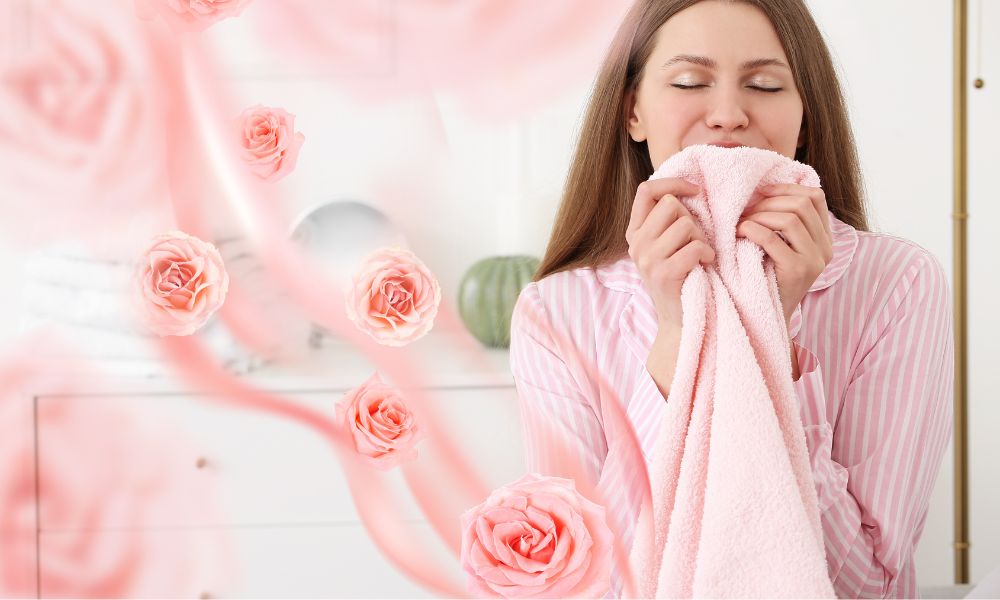

What to Do If the Scent on Your Laundry Fades Quickly

For many people, fragrance on laundry is an inseparable part of the pleasant feeling of cleanliness. There is nothing better than putting on freshly washed clothes that smell wonderful. Sometimes, however, the scent fades from the laundry after only a short time. If you have found yourself in a similar situation, don’t despair. There are several practical and simple ways to ensure that your laundry stays fragrant for as long as possible.


Why does the scent on laundry fade quickly?

The first step to fixing the problem is understanding why the scent disappears from laundry. The main reasons include using the wrong laundry detergents, moisture, improper storage, and the low quality of the laundry perfume itself. Identifying the cause will help you choose the right steps to eliminate it.

Quality of laundry detergent and fabric softener
Not all laundry detergents and fabric softeners are equally effective. Cheap or low-quality products may contain fewer fragrance components that evaporate quickly. That is why it is important to choose high-quality products that not only clean but also provide a long-lasting scent.
Moisture and drying method
Moisture is one of the biggest enemies of fragrance on laundry. If laundry does not dry properly after washing, it may not only lose its scent but even develop an unpleasant odor. Proper drying of laundry is therefore essential.
Improper storage
Even if your laundry smells wonderful after washing, improper storage can rob it of its freshness. Musty wardrobes, moisture, or storing clothes in overcrowded spaces can cause the scent to fade quickly.


The impact of water hardness on laundry fragrance

Hard water can have a significant impact on how long the scent on laundry lasts. Minerals in hard water can leave residues on clothing that interfere with the fragrance and prevent it from lasting. Using a water softener or detergents designed for hard water can help reduce this problem.


Tips for a longer-lasting laundry fragrance

Use high-quality laundry products

Investing in high-quality laundry detergents and laundry perfumes always pays off. Look for products that contain a high concentration of fragrance components. These products ensure that the scent remains on the fibers of the laundry for a longer time.

Proper dosing is key

Many people think that the more detergent or fabric softener they use, the more intense the scent will be. However, the opposite is true. Excessive amounts of laundry products can result in poor rinsing, causing the fragrance not to last.

Add fragrance during drying

If you use a dryer, you can choose scented dryer sheets or add a few drops of essential oil to a cotton cloth and place it among the laundry. When air-drying, hang your laundry outside, where it can absorb the fresh outdoor air.

Keep your washing machine clean

A washing machine that is not cleaned regularly can be a source of unpleasant odors that transfer to laundry. Once a month, run the washing machine empty on a high temperature with vinegar or special cleaning agents to remove residue and buildup.

Proper storage of laundry

The scent of laundry also depends on where and how you store it. Avoid damp spaces and ventilate wardrobes regularly. Using natural fresheners, such as lavender sachets or cedarwood, will help keep your laundry fresh.

Add extra fragrance manually

If you want to enhance the scent, you can lightly spray the laundry before storage with a homemade freshener made from distilled water and a few drops of essential oil. This simple step ensures a more intense fragrance.


How to extend the freshness of special garments?

Some types of clothing, such as sportswear or delicate fabrics, require special care. Use detergents designed for specific materials for such garments. Long-lasting freshness of sportswear can be achieved by using disinfecting laundry detergents and drying in fresh air.


Experiment with fragrances

Everyone prefers a different scent, which is why it is great to experiment with various laundry perfumes. Combine fragrances according to seasons or occasions. For example, warmer and spicy notes are ideal for winter, while fresh citrus scents are perfect for summer.


Conclusion

If the scent on your laundry fades quickly, there is no need to resort to drastic solutions right away. Just a few simple steps and small changes in your routine can help you achieve long-lasting laundry freshness. The right choice of laundry products, regular washing machine maintenance, and proper storage can work wonders. Let your laundry smell fresh for a long time and enjoy that feeling when clean clothes remind you that freshness lies in the details.


How to Protect Your Laundry from Pests in a Fragrant Way

Lingerie is an integral part of our daily lives, but sometimes it can become a target for unwanted visitors such as moths, dust mites, or other pests. However, you don't have to solve these small problems only with chemical agents, which often contain synthetic substances and unpleasant scents. Fortunately, there are natural and fragrant ways to protect your lingerie that are not only effective but also eco-friendly. This article will guide you step by step on how to protect your clothes while creating a pleasant atmosphere in your wardrobe.


Why is lingerie protection important?

Pests, such as moths, are known to love natural fibers like wool, cotton, or silk. If left unchecked, they can cause serious damage to your favorite pieces of clothing in a short time. Protecting lingerie from pests is important not only for aesthetic reasons but also for hygiene and health. Moths can leave traces of their droppings in the wardrobe, which can lead to allergic reactions or a decline in the air quality in your home.


Fragrant solutions for lingerie protection

  1. Essential oils as a natural weapon
    One of the best methods to protect lingerie is essential oils. Scents like lavender, mint, cedar, or eucalyptus repel moths, dust mites, and other pests. Just place a few drops on a cotton pad or pieces of cloth and place them on shelves, in drawers, or among clothing. Moreover, this simple step ensures that your wardrobe will always smell pleasantly.
  2. Dried herbs for long-lasting freshness
    Dried herbs, such as lavender, rosemary, or thyme, are another natural solution for lingerie protection. Place them in small cotton bags and put them among your clothes. These bags can be easily made at home, allowing you to add your own combination of herbs. Herbs not only protect your clothes but also create a pleasant fragrance in your wardrobe.
  3. Cedarwood as a traditional guardian
    Cedarwood is one of the oldest methods for lingerie protection. Its scent repels pests while adding a touch of elegance to your wardrobe. You can place pieces of cedarwood in drawers or among your clothes. For a stronger fragrance, simply sand the wood lightly or add a few drops of cedar essential oil.
  4. Citrus and cloves for a fresh wardrobe
    Citrus scents are natural pest repellents. Try slicing a lemon or orange, adding a few cloves, and placing them on a small plate in your wardrobe. This combination not only repels moths but also gives your wardrobe a gentle, fresh scent. The combination of citrus and cloves is especially suitable for seasonal storage of lingerie.


The importance of regular wardrobe care

Protecting lingerie is not just about using the right agents. Regular wardrobe maintenance is key to minimizing the risk of pests. Regularly air out and wash your clothes to remove traces of sweat, dust, and other impurities that can attract moths. Make sure your wardrobe is always clean and dry, as moisture is an ideal environment for pest proliferation.


How to combine protection and scents?

If you want to not only protect your wardrobe but also fragrance it, it's important to combine scents appropriately. Experiment with different essential oils, herbs, and cedarwood to achieve a harmonious scent. For example, lavender pairs perfectly with mint, while citrus and thyme create a fresh contrast.


Seasonal tips for fragrant protection

  • Winter months: For winter clothing, use stronger scents like cedar or cloves, which provide long-term protection against pests.
  • Summer months: For summer clothing, light and fresh scents such as lemon, mint, or eucalyptus are ideal.
  • Seasonal storage: If storing clothes for a longer period, place dried herbs or lavender bags between layers.


Ecological benefits of natural protection

Using natural methods has many advantages. Besides being environmentally friendly, they do not contain chemicals that could irritate the skin or damage clothing. Eco-friendly lingerie protection is also cost-effective, as most ingredients can be sourced at home.


Conclusion

Protecting lingerie from pests in a fragrant way is simple, effective, and pleasant. Just a few simple steps, such as using essential oils, dried herbs, or cedarwood, will ensure that your wardrobe is always fragrant and pest-free. Regular care and proper combinations of scents will not only save you money but also protect your clothes for years to come. Try these tips and turn your wardrobe into an oasis of freshness and comfort. Natural lingerie protection is not only functional but also aesthetically pleasing – see for yourself.


Listing controls

61 items total
Top