









Blog, Page 6

List of articles

How to Protect Your Laundry from Pests in a Fragrant Way

Lingerie is an integral part of our daily lives, but sometimes it can become a target for unwanted visitors such as moths, dust mites, or other pests. However, you don't have to solve these small problems only with chemical agents, which often contain synthetic substances and unpleasant scents. Fortunately, there are natural and fragrant ways to protect your lingerie that are not only effective but also eco-friendly. This article will guide you step by step on how to protect your clothes while creating a pleasant atmosphere in your wardrobe.


Why is lingerie protection important?

Pests, such as moths, are known to love natural fibers like wool, cotton, or silk. If left unchecked, they can cause serious damage to your favorite pieces of clothing in a short time. Protecting lingerie from pests is important not only for aesthetic reasons but also for hygiene and health. Moths can leave traces of their droppings in the wardrobe, which can lead to allergic reactions or a decline in the air quality in your home.


Fragrant solutions for lingerie protection

  1. Essential oils as a natural weapon
    One of the best methods to protect lingerie is essential oils. Scents like lavender, mint, cedar, or eucalyptus repel moths, dust mites, and other pests. Just place a few drops on a cotton pad or pieces of cloth and place them on shelves, in drawers, or among clothing. Moreover, this simple step ensures that your wardrobe will always smell pleasantly.
  2. Dried herbs for long-lasting freshness
    Dried herbs, such as lavender, rosemary, or thyme, are another natural solution for lingerie protection. Place them in small cotton bags and put them among your clothes. These bags can be easily made at home, allowing you to add your own combination of herbs. Herbs not only protect your clothes but also create a pleasant fragrance in your wardrobe.
  3. Cedarwood as a traditional guardian
    Cedarwood is one of the oldest methods for lingerie protection. Its scent repels pests while adding a touch of elegance to your wardrobe. You can place pieces of cedarwood in drawers or among your clothes. For a stronger fragrance, simply sand the wood lightly or add a few drops of cedar essential oil.
  4. Citrus and cloves for a fresh wardrobe
    Citrus scents are natural pest repellents. Try slicing a lemon or orange, adding a few cloves, and placing them on a small plate in your wardrobe. This combination not only repels moths but also gives your wardrobe a gentle, fresh scent. The combination of citrus and cloves is especially suitable for seasonal storage of lingerie.


The importance of regular wardrobe care

Protecting lingerie is not just about using the right agents. Regular wardrobe maintenance is key to minimizing the risk of pests. Regularly air out and wash your clothes to remove traces of sweat, dust, and other impurities that can attract moths. Make sure your wardrobe is always clean and dry, as moisture is an ideal environment for pest proliferation.


How to combine protection and scents?

If you want to not only protect your wardrobe but also fragrance it, it's important to combine scents appropriately. Experiment with different essential oils, herbs, and cedarwood to achieve a harmonious scent. For example, lavender pairs perfectly with mint, while citrus and thyme create a fresh contrast.


Seasonal tips for fragrant protection

  • Winter months: For winter clothing, use stronger scents like cedar or cloves, which provide long-term protection against pests.
  • Summer months: For summer clothing, light and fresh scents such as lemon, mint, or eucalyptus are ideal.
  • Seasonal storage: If storing clothes for a longer period, place dried herbs or lavender bags between layers.


Ecological benefits of natural protection

Using natural methods has many advantages. Besides being environmentally friendly, they do not contain chemicals that could irritate the skin or damage clothing. Eco-friendly lingerie protection is also cost-effective, as most ingredients can be sourced at home.


Conclusion

Protecting lingerie from pests in a fragrant way is simple, effective, and pleasant. Just a few simple steps, such as using essential oils, dried herbs, or cedarwood, will ensure that your wardrobe is always fragrant and pest-free. Regular care and proper combinations of scents will not only save you money but also protect your clothes for years to come. Try these tips and turn your wardrobe into an oasis of freshness and comfort. Natural lingerie protection is not only functional but also aesthetically pleasing – see for yourself.


How to Wash Effectively at Low Temperatures

Washing at low temperatures is becoming an increasingly popular trend, not only due to energy savings but also because of its gentle approach to textiles. This method of washing can preserve the colours and quality of clothing, while also requiring proper procedures to be effective. In this article, you will learn how to effectively wash at low temperatures to achieve perfect results without compromise.


Why wash at low temperatures?

Washing at temperatures between 20 and 30 °C has several advantages. First and foremost, it saves energy, which has a positive impact not only on your budget but also on the environment. At lower temperatures, textile fibers are less worn, meaning your clothes will last longer. Preserving the colours and shape of clothing is another benefit, especially appreciated with delicate fabrics and vibrant colours.

Lower temperatures are also ideal for washing modern synthetic materials and sportswear, which high temperatures can damage. They are also gentle on natural fabrics such as cotton or linen, helping them retain their softness and elasticity.


Choosing the right detergent

When washing at low temperatures, it is crucial to use a detergent designed for effective cold water washing. These detergents contain special enzymes that can break down dirt even at lower temperatures. Regular detergents may lose their effectiveness at low temperatures, so it is important to choose the right product.


Liquid detergents are often a better choice than powder detergents because they dissolve faster and penetrate the fibers more effectively. If you have hard water, using a softener will help increase detergent efficiency and ensure thorough cleaning.


Preparing clothes before washing

Before washing, it is important to sort clothes by colour and material type. Even at low temperatures, colour transfer can occur if you wash light and dark clothes together. Also, check clothing labels to ensure they are suitable for low-temperature washing.

Don’t forget to remove stains before placing clothes in the washing machine. At low temperatures, stubborn stains may not be fully removed. Use a stain remover or gently apply detergent directly to the stained area and let it sit for a while.


Choosing the right washing program

Modern washing machines often offer special programs for low-temperature washing. These programs are designed to optimize drum movements and washing time, ensuring maximum effectiveness even at lower temperatures. If your washing machine does not have such a program, you can use a gentle or quick cycle.

Some machines also have the option to increase rinse intensity, which is useful when washing larger loads. Thorough rinsing helps remove detergent residues and ensures fresh-smelling clothes.


Stains and low temperatures

As mentioned, low temperatures may not always be sufficient to remove tough stains. If you encounter stains from sweat, coffee, wine, or grease, pre-treatment is essential. Use natural stain removers such as baking soda or white vinegar, which are gentle on clothes and environmentally friendly.

For more stubborn stains, you can use enzymatic cleaners designed for low-temperature washing. Let them work for at least 10–15 minutes before washing to allow them to penetrate the fibers and dissolve the dirt.


Washing machine care

Regular washing machine maintenance is especially important when you often wash at low temperatures. At lower temperatures, detergent residues, bacteria, and mold can accumulate inside the machine, causing unpleasant odors. Run an empty cycle at high temperature once a month with the addition of vinegar or a special washing machine cleaner to remove these residues.


Drying clothes after washing

Drying washed clothes

Proper drying of clothes is just as important as washing itself. After washing, gently wring out the clothes and avoid high spin speeds to prevent fiber damage. Air drying is the ideal solution because it helps preserve the quality and shape of textiles. If using a dryer, select a low temperature and a special program for delicate fabrics.


Benefits of long-term low-temperature washing

Washing at low temperatures has many long-term benefits. Besides saving energy and reducing CO2 emissions, it also contributes to the longer lifespan of your laundry. Gentle handling of textiles means your clothes will look newer for longer and retain their colour even after many washes.


Conclusion

Effective low-temperature washing is not only about saving energy but also about a gentle approach to your clothes and the environment. Choosing the right detergent, pre-treating stains, and regular washing machine maintenance are key factors that help achieve perfect results. Try these simple tips and see that washing at low temperatures can be effective, eco-friendly, and gentle on your favorite pieces.


Let scents tell your story

Choosing scents according to the season is an art that gives everyday moments a special dimension. Whether you prefer fresh citrus in spring, exotic scents in summer, warm spicy tones in autumn, or sophisticated oriental fragrances in winter, always remember that scents reflect your individuality. Explore, combine, and create a space that always matches your mood and needs. Scents are an integral part of our lives, so let them tell your story throughout the year.


How to Choose a Scent by Season

Scents are not just a pleasant addition to our daily lives, but also an important element that can enhance the atmosphere, make every moment more enjoyable, and influence mood. Properly chosen scents, whether it’s laundry perfumes or scented candles, can reflect mood, express personality, and create a harmonious space that improves overall well-being. Choosing the right scent also depends on the season, as each time of year brings a different atmosphere that a scent can perfectly highlight. The right scent for the season can transform your home into an oasis of harmony and freshness.


Scents by Season

Click on the icons below to discover scents for each season:


.
.
.
.
.
.
.
.
.
.
.
.


How to Choose the Right Scent for Each Season?

Choosing scents by season means taking into account not only the weather but also the mood and atmosphere you want to create. In spring and summer, prefer light and fresh scents that bring energy, lightness, and freshness into the space. Conversely, in autumn and winter, opt for warm and intense notes that create a feeling of coziness and luxury.

Experimentation is also important. By combining different scents, you can find unique blends that perfectly match your space and season. Each season offers an opportunity to explore new aromas and unique combinations. Every scent you choose can reflect your individuality and unique style.


Seasonal Scents and Their Effect on Mood

Seasonal scents do more than just fragrance your home. They influence our mood, emotions, and overall well-being. In summer, they refresh and energize, while in winter they bring warmth and calm. Each season has its unique aromas that help us feel good.


Let Scents Tell Your Story

Choosing scents according to the season is an art that adds a special dimension to everyday moments. Whether you prefer fresh citrus in spring, exotic scents in summer, warm spicy tones in autumn, or sophisticated oriental fragrances in winter, always remember that scents reflect your individuality. Explore, combine, and create a space that will always match your mood and needs. Scents are an integral part of our lives, so let them tell your story throughout the year.


New in Laundry washing – Laundry Gels

Washing on a New Level

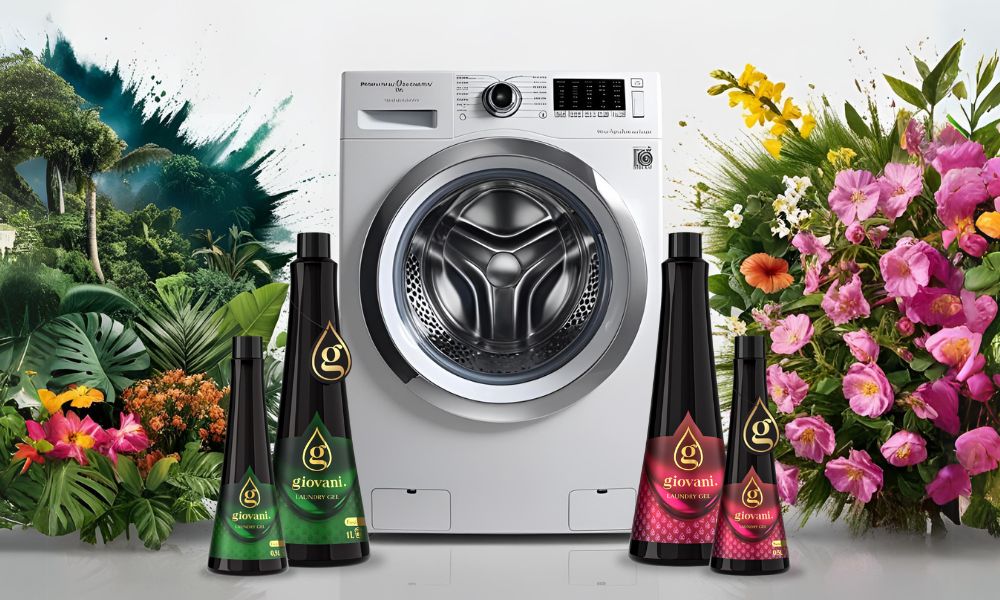
We are delighted to introduce a hot new addition to our portfolio – Giovani® laundry gels. They combine top-notch cleaning power with efficiency and gentleness thanks to their super-concentrated formula. Giovani® laundry gels have a delicate fragrance, designed to perfectly complement our laundry perfumes without overpowering their luxurious scent.


Why Did We Decide to Expand Our Range?

Building on the success of our laundry perfumes was a natural step for us.

Our customers fell in love with intense scents that linger on clothes all day. They often asked us which detergent to use to maintain the fragrance's strength. That's why we developed our own laundry gels, which clean perfectly while being gentle on fabrics and skin. Additionally, they are designed to harmoniously complement our laundry perfumes.“ — explains one of the founders of Giovani®


What Makes Giovani® Laundry Gels Exceptional?

  • High efficiency from 20°C – removes stains without damaging fabrics.
  • Eco-friendly formula – free from phosphates, microplastics, and harmful chemicals.
  • Strong concentration – a small amount is enough for perfect washing.
  • Luxurious scents – the gentle fragrance of the gels harmonizes with the intense Giovani® laundry perfumes, enhancing and amplifying their aroma.
  • Gentle on sensitive skin – free from phosphorus, parabens, zeolites, and heavy metals.


Two Luxurious Scents

Giovani® FRESH Laundry Gel – freshness of the rainforest

The first laundry gel we are launching is Giovani® FRESH – a gel with an intense fresh scent inspired by the rainforest. Imagine a morning walk through a tropical forest after a summer rain – the gentle aroma of eucalyptus, wet grass, and subtle citrus notes combined with your favorite Giovani® laundry perfume will fill your wardrobe with cleanliness and energy.

FRESH laundry gel is recommended to be combined with the luxurious scents of our fresh and spicy laundry perfumes. The gel's subtle fresh scent will not overpower their intensity but instead support and enhance it.


Giovani® SWEET Laundry Gel – sweet-fresh floral scent

The second laundry gel we are launching is Giovani® SWEET – a gel with a delicate sweet-fresh floral scent to pamper your senses. Imagine a morning walk through a blooming garden, where the air mixes the fragrance of fresh rose petals, white lilies of the valley, and sweet jasmine.

SWEET laundry gel is recommended to be combined with the luxurious scents of our sweet laundry perfumes. The gel's subtle floral fragrance will not overpower their intensity but instead support and enhance it.


Giovani® – Synonym for Luxury and Premium Quality

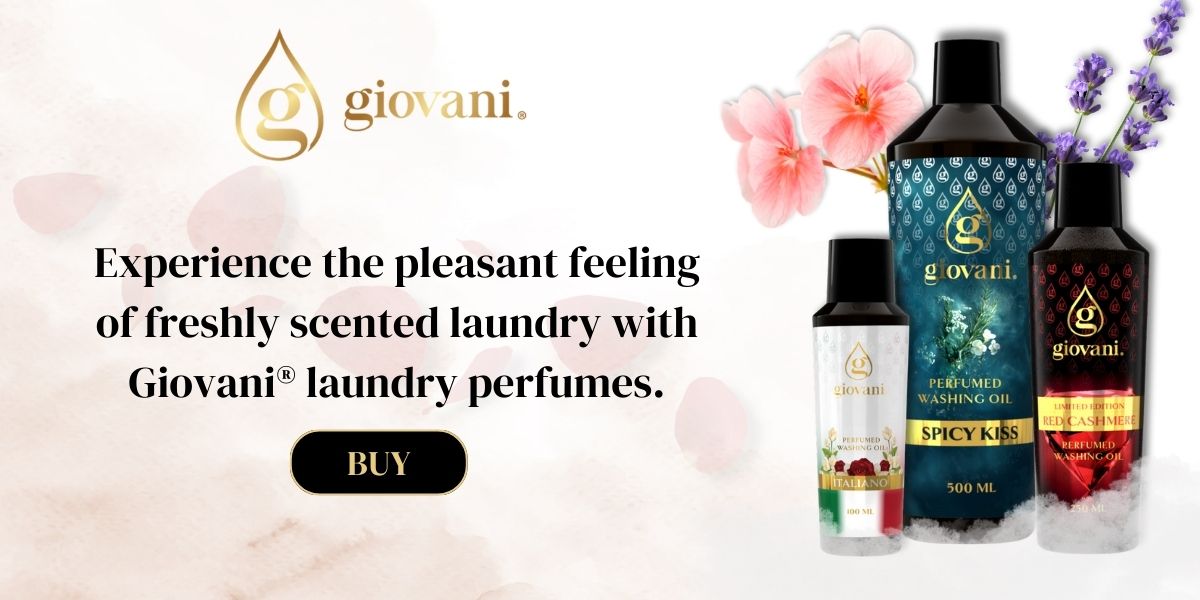
Giovani® is a premium brand focused on fragrances that bring a unique experience to everyday home care. Our priority is premium quality, which earned us the prestigious Product of the Year 2024 award.

Transparency and trust are key for us, which is why in all countries where we operate, we participate in verified review systems.

Our innovative products have earned the trust of hundreds of thousands of satisfied customers across Europe. Giovani® is a guarantee of quality you can rely on.
 

The Impact of Water Hardness on Laundry Fragrance

Despite the effort to choose a high-quality laundry detergent and fragrant additives, it often happens that the result is not as perfect as we expected. One of the most common reasons is water hardness, which significantly affects not only the quality of washing but also the scent of your laundry. This factor is often overlooked, but understanding it correctly can completely change the way you approach clothing care.


What does water hardness mean and how does it affect washing?

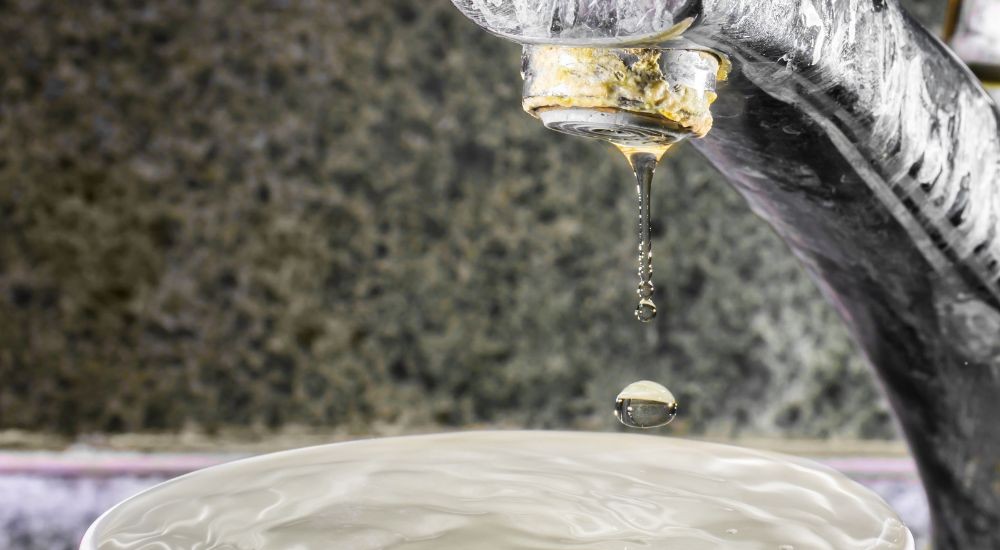
Water hardness is determined based on the content of minerals, especially calcium and magnesium. Water rich in these minerals is considered hard, while water with a low mineral content is soft. High mineral content in hard water can have several undesirable effects on laundry. Hard water reduces the ability of detergent to form foam, which means its effectiveness is significantly limited. Additionally, minerals create deposits on clothing fibers, which can prevent scents from penetrating the fabric.

On the other hand, soft water allows detergents to work more efficiently, enabling scents to be better absorbed into textiles. Soft water also minimizes residue buildup, which means laundry remains fresh and soft to the touch.


How does hard water change the scent of laundry?

The scents of detergents and fabric softeners are designed to provide a long-lasting feeling of cleanliness and freshness. However, hard water can diminish their effect. The minerals in water can react with the fragrance components and neutralize them. This means that even if you use a high-quality laundry perfume, the resulting effect will be weaker or even negligible.

Another problem is that mineral deposits on textiles can trap unpleasant odors, which become more intense over time. Laundry treated this way not only loses freshness but may also smell musty. If your goal is perfectly fragrant laundry, understanding this process is essential.


Practical tips for washing in hard water

  • Use water softeners

    One of the simplest solutions is to add a water softener to your laundry. These products can neutralize minerals in the water and enhance the effectiveness of the detergent. The result is not only better-cleaned laundry but also a stronger fragrance.

  • Increase detergent dosage

    With hard water, it is often necessary to use a larger amount of detergent to achieve the same effect as with soft water. Detergents specially designed for hard water can also be useful, as they contain ingredients that can handle minerals effectively.

  • Regular washing machine cleaning

    Hard water leaves deposits not only on laundry but also inside the washing machine. Regular maintenance and machine cleaning help prevent the buildup of minerals that can affect the scent and quality of washing.

  • Experiment with fabric softeners

    Some fabric softeners are specifically designed to overcome the negative effects of hard water. Look for products that contain fragrance boosters or mineral-neutralizing ingredients. The combination of the right softener and water softener can bring significant improvement.


How to identify hard water in your home?

Water hardness can be easily detected using test strips available in stores or online. These strips provide accurate information about the mineral content in water. If you do not have tests, you can notice some typical signs, such as residue on dishes, limited foam formation during washing, or a rough feeling on the skin after washing.


Long-term solutions for managing hard water

Long-term solution for hard water

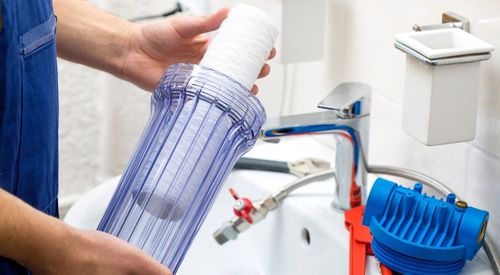
If you live in an area with hard water, investing in a water softening system can be a practical step. These devices remove minerals from water, not only improving washing quality but also protecting your home appliances from damage caused by deposits. Soft water is gentler on textiles, allows detergents to work more effectively, and ensures that the scent of your laundry is stronger and long-lasting.


Why is it important to understand the impact of water hardness?

Understanding water hardness and its effect on washing can be key to achieving a perfect fragrance and long-lasting freshness for your laundry. Hard water impacts not only the appearance and feel of clothing but also how we perceive its scent. If you want your laundry to always smell fresh and look neat, it is important to adapt washing practices to your home's conditions.

With the right measures, such as water softeners, specialized detergents, and regular machine maintenance, you can eliminate the negative effects of hard water. Remember that fragrant and fresh laundry is not only a matter of detergent quality but also of understanding the conditions in which you wash. This simple step can completely change your approach to clothing care and bring you daily joy from cleanliness and scent.


How to Remove Musty Odors from Towels

The musty smell from towels is an unpleasant problem that can ruin the impression of cleanliness and freshness in your home. Even if you wash your towels regularly, sometimes they still retain an unpleasant odor. What causes this problem and how can it be solved? In this article, you will find practical advice and tips on how to remove the musty smell from towels and ensure they stay fresh and clean for as long as possible.


Why do towels become musty?

The main reason for a musty smell is moisture and insufficient drying. When a towel remains damp after use and is not dried properly, it becomes an ideal environment for the growth of bacteria and mold. These microorganisms produce substances that cause odors.

Another issue may be excessive use of detergent or fabric softener. While these products maintain the scent and softness of textiles, they can accumulate in towel fibers and prevent them from being thoroughly cleaned during washing. Detergent residues create a film that traps moisture and promotes bacterial growth.


Regular care is essential

Preventing musty odors starts with regular towel care. After each use, thoroughly hang the towel in a well-ventilated place so it can dry completely. Never leave it crumpled or hung in the bathroom, where humidity is high and air circulation is poor.

When washing towels, avoid overloading the washing machine so they can move freely in the water. Overloading prevents the textiles from being properly cleaned, leading to dirt and odor buildup. Regularly rotating towels and washing them at least once a week is key to keeping them fresh.

Fresh scent thanks to regular care


How to remove the musty smell from towels?

If your towels are already musty, don’t worry. There are several proven methods to help eliminate odors and restore freshness.

Use white vinegar
White vinegar is a natural cleaning agent that neutralizes odors and removes detergent residues. Add a cup of white vinegar to the washing machine drum instead of detergent and wash the towels at a higher temperature (60 °C is recommended). Vinegar not only removes odors but also restores the towels’ absorbency.
Baking soda for deep cleaning
Baking soda is well known for its deodorizing properties. Add half a cup of baking soda directly to the washing machine drum and wash the towels without other products. This method effectively removes deeply embedded dirt and leaves towels fresh.
Two-phase washing
If the odor is strong, try combining both methods. First, wash the towels with vinegar and then wash them again with baking soda. Two-phase washing is ideal for thoroughly eliminating bacteria and mold.
Use essential oils
If you want your towels to smell even fresher, add a few drops of essential oil during the washing cycle. Lavender, eucalyptus, or mint not only provide a pleasant fragrance but also have antibacterial properties.


Important tips for drying towels

Proper drying is just as important as washing. After washing, gently wring out the towels and hang them in a well-ventilated place to dry quickly. Sunlight is the best natural disinfectant, so dry towels outside whenever possible. Sun rays kill remaining bacteria and ensure a fresh scent.

Avoid drying towels in the bathroom or in areas with high humidity. If using a dryer, choose a low temperature to prevent fiber damage. You can add dryer balls or clean tennis balls to the dryer, which help towels maintain their fluffiness.


Preventing musty odors

Prevention is always better than solving the problem. To keep your towels fresh, follow these rules:

  • Wash towels separately to prevent contamination from other clothes.
  • Do not use excessive fabric softener as it can leave residues.
  • Hang towels immediately after use and do not leave them damp longer than necessary.


Natural fresheners as helpers

If you want towels not only to smell fresh but also look aesthetically pleasing, try natural fresheners. Place bags with dried lavender, rose petals, or cinnamon in drawers or shelves where towels are stored. These natural additives give textiles a subtle fragrance and also repel moths.


Long-term benefits of proper care

Regular towel care not only extends their lifespan but also improves their functionality. Well-maintained towels retain their softness and absorbency for years. Fresh towels contribute to overall comfort and hygiene in your home.


Conclusion

The musty smell from towels does not have to be a permanent problem. Simply adopt the right washing, drying, and prevention practices to keep towels clean and fragrant. Using vinegar, baking soda, and natural essential oils will help you get rid of odors once and for all.

Thorough towel care is not just about freshness, but also about the health and comfort of the entire family. Try these methods and see that your towels can be as fresh as when they were new.


Listing controls

80 items total
Top