Tips and advice, Page 6

List of articles

Tips for Washing Delicate Fabrics and Lingerie

Caring for delicate fabrics and lingerie requires special attention. These materials are often sensitive to regular wash cycles and inappropriate cleaning agents. Therefore, they deserve gentle handling. If you want your favorite clothes to maintain their quality, softness, and shape for as long as possible, here are some practical tips for proper washing.


Why is caring for delicate fabrics important?

Delicate fabrics such as silk, lace, satin, or viscose have special properties that make them beautiful and comfortable but also prone to damage. Lingerie is additionally in direct contact with the skin, so it requires care that maintains hygiene while protecting sensitive materials. Proper washing extends the lifespan of clothing and ensures that it retains its appearance and functional properties.


Sorting laundry is essential

Always separate delicate fabrics and lingerie from other clothes before washing. Delicate materials can be damaged by rougher fabrics, such as denim or thick cotton. We recommend washing lingerie separately, to prevent pilling and other damage.

Choosing the right detergent

Use gentle detergents designed for sensitive fabrics. Regular cleaning agents may contain harsh chemicals that can damage delicate fibers. Try hypoallergenic or natural alternatives that are gentle not only on fabrics but also on your skin.

Hand wash or washing machine?

The best option for delicate fabrics is hand washing. Fill a basin with lukewarm water, add a small amount of detergent, and gently massage the clothing. When rinsing, ensure all detergent residues are removed. If you prefer machine washing, set it to a gentle cycle with low temperature (30 °C) and use protective laundry bags.

Drying with regard to material

Never spin delicate fabrics at high speeds, and avoid tumble drying unless necessary. Air drying is ideal – lay the clothes on a clean towel and let them dry naturally. Avoid direct sunlight, which can weaken colours and fibers.

Storing delicate lingerie

Proper storage is as important as washing itself. Store delicate fabrics in areas protected from moisture and direct sunlight. Place lingerie in drawers with enough space, so it maintains its shape and does not crease.


How to handle common problems when washing delicate fabrics

Discolouration

If delicate fabrics have become discoloured, soak them in cold water with a bit of baking soda or a special stain remover for delicate materials. It is important to act quickly to prevent the discolouration from setting.


Pilling

If water alone isn’t enough, home remedies can help. Apply a gentle remover or a special comb to remove pills. Avoid sharp objects that could damage the fabric. Regular use of protective laundry bags reduces pilling.


Loss of shape

To restore the shape of delicate clothing, gently stretch it back to its original form during drying. However, avoid excessive stretching to prevent weakening the fibers.


Special tips for washing different types of delicate materials

  • Silk

    Silk garments require exceptional care. They should be hand washed only using special silk detergents. Never wring or twist them to avoid damaging their delicate fibers. If ironing is necessary, set a low temperature and use a protective cloth.
  • Satin

    Satin garments should be washed at low temperatures. When drying, avoid ironing directly on the fabric – if ironing is needed, use a protective layer, such as a thin cotton towel.
  • Lace

    Lace pieces are very delicate and prone to snagging. Hand washing is recommended, or use protective bags when machine washing. Dry them flat to maintain their shape.
  • Underwired lingerie

    Underwire bras should never be washed in a machine without a protective bag to prevent deformation or damage to the underwire. Hand washing is safest for these items.
  • Delicate panties

    These items require gentle washing, ideally by hand, using minimal detergent. After washing, gently press them with a towel and dry flat.


Long-term care pays off

Washing delicate fabrics and lingerie takes more time and patience, but the reward is longer lifespan and maintained quality. Investing in gentle care for your favorite clothes is definitely worth it, as it not only saves replacement costs but also improves comfort when wearing them.

By following these tips, your delicate fabrics and lingerie will look and feel like new. Remember, proper care is the key to their beauty and longevity.

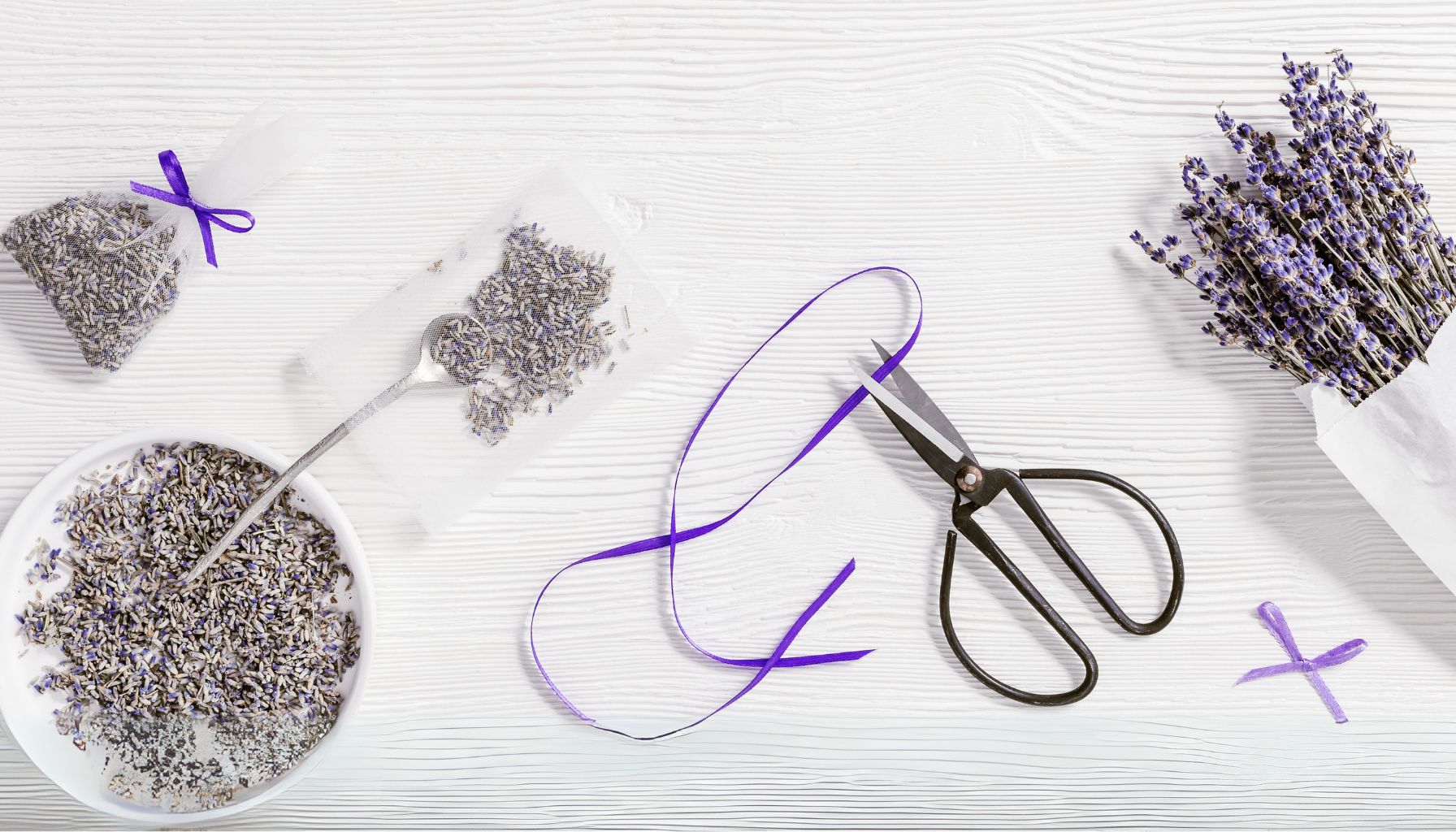
 

How to Make a Natural Wardrobe Freshener

If you want your wardrobe to always smell fresh and natural, you don’t have to rely on commercial air fresheners full of chemicals. Natural fresheners are easy to make, environmentally friendly, and allow you to customize the scent according to your preferences. This article will show you how to make a natural wardrobe freshener that not only refreshes your space but also protects your clothes from unpleasant odors.


Why choose natural fresheners?

Wardrobe fresheners have many advantages. They are eco-friendly, free of harmful chemicals, and safe for sensitive skin. Moreover, making them is cheap and simple, so you can prepare them at home in just a few minutes. Commercial fresheners often contain synthetic fragrances and chemicals that can irritate the respiratory system or cause allergic reactions. With natural alternatives, you get freshness without risks to your health or the environment.


Basic ingredients for your freshener

To make a natural freshener, you only need a few simple ingredients that you may already have at home:


  • Essential oils: Lavender, mint, lemon, orange, or rosemary are great choices.
  • Baking soda: Neutralizes odors and keeps freshness.
  • Dried herbs or flowers: Lavender, rose petals, or chamomile add a gentle scent and aesthetic appeal.
  • Cotton bags or small containers: Used to store the mixture.
  •  
  •  
  •  


Why invest in a homemade freshener?

Making your own freshener allows you to customize the scent exactly according to your preferences and needs. You have full control over the ingredients used and can avoid synthetic substances that could be harmful. Moreover, creating your own freshener can be fun and relaxing, especially if you involve children or friends.


How to make it

  1. Choose your scent: Decide what atmosphere you want to create in your wardrobe. Lavender is calming, citrus is refreshing, and rosemary adds energy.

  2. Mix the ingredients: In a small bowl, add 2–3 tablespoons of baking soda. Add 10–15 drops of essential oil of your choice. If desired, also add dried herbs or flowers.

  3. Fill the bags: Transfer the mixture into cotton bags or small containers that can be closed. If using containers, make sure they are perforated so the scent can freely escape.

  4. Place in the wardrobe: Put the freshener on shelves, hang on hangers, or place in drawers. Make sure it is in a spot where the scent can circulate freely.

Tips for customizing your freshener

  1. Combine scents: To create a unique aroma, experiment with combinations of essential oils. Citrus scents can be combined with lavender or mint for a fresher effect.

  2. Add decorations: For a more aesthetic appearance, you can add dried petals, cinnamon sticks, or dried fruit to the bags. Not only does this improve the scent, but the freshener will also look beautiful.

  3. Refresh the scent: When the scent begins to fade, simply add a few drops of essential oil to the baking soda or herbs.


Natural wardrobe care

Using natural wardrobe fresheners has multiple benefits. Besides a fresh scent, herbs like lavender can repel moths that could damage your clothes. Regularly replacing fresheners also helps keep your wardrobe clean and pleasantly scented.


Sustainability first

Making natural fresheners is eco-friendly and helps reduce the amount of plastic waste generated from buying commercial products. Using natural materials and reusable bags or containers reduces your ecological footprint and contributes to environmental protection.


Conclusion

Natural wardrobe fresheners are a simple, eco-friendly, and effective way to keep your space fresh and fragrant. Just a few basic ingredients and a bit of creativity allow you to enjoy a scent that perfectly reflects your style and mood. Try making your own freshener today and see how easy and enjoyable it can be. Make your wardrobe a place where you always feel good, and let the scent tell your story.


Why does laundry still smell bad after washing?

Freshly washed clothes should smell clean and pleasant, but sometimes instead of a nice fragrance, an unpleasant odor appears. This issue can have several causes. Here are 5 possible reasons why your laundry smells bad after washing and how to prevent it.


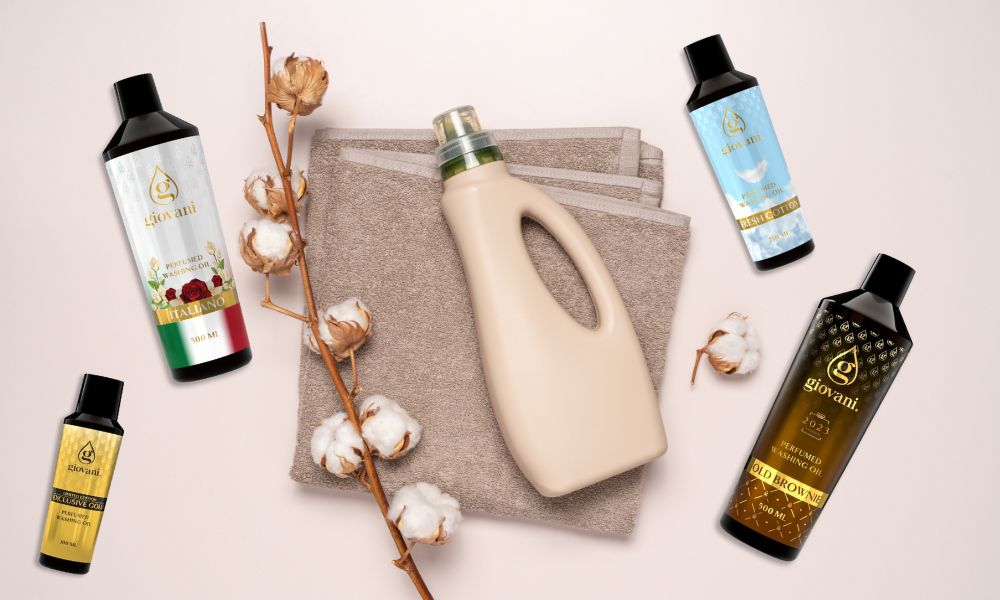
Replace fabric softener with Giovani laundry perfumes


1Dirty washing machine

If the washing machine is not cleaned regularly, moisture, detergent residue or even mold can build up inside. These impurities cause an unpleasant smell, which then transfers to your clothes. Regular maintenance, like cleaning the drum, seals and filters, helps prevent bacteria and mold buildup.


2Excessive use of detergent

Too much detergent can lead to product not dissolving properly and getting stuck in the fibers of your clothes. This residue becomes an ideal environment for bacterial growth, which results in bad odors. Use the recommended amount of detergent to avoid this issue.


3Moisture and improper drying

If clothes stay damp too long, whether in the washer or after washing, they can start to smell. Bacteria and mold thrive in moist environments. To avoid this, always remove your laundry from the machine immediately after washing and let it dry thoroughly in the air or dryer.


4Low washing temperature

Washing at low temperatures is gentle on fabrics, but not always effective at removing bacteria and odors. If your clothes repeatedly smell musty, try washing them occasionally at a higher temperature, if the fabric allows it. This helps eliminate microorganisms that cause unpleasant smells.


5Accumulated dirt in clothing

If clothes, especially sportswear or underwear, are not washed often enough, sweat and bacteria can build up in the fibers. These are a major source of bad odors. Washing more frequently and using disinfecting additives can help solve this problem.


How to keep your clothes fresh?

To keep your laundry smelling clean and fresh, don't forget about washing machine maintenance, proper detergent dosage, and thorough drying. If odor persists, you can add vinegar or baking soda to the wash, which helps neutralize smells. These simple steps will help you keep your laundry clean, fresh, and free of unwanted odors.


How to Wash Blankets Properly?

Blankets are an inseparable part of our homes. Whether you have a cozy winter blanket or a light summer one, regular cleaning is key to keeping them fresh and comfortable. In this article, you’ll learn how to wash your blankets the right way so they maintain their quality and durability.


Preparation Before Washing

The first step is always to check the care label on your blanket. Manufacturers provide instructions to help ensure your blanket stays in perfect condition. Some blankets can only be hand-washed, while others can be washed in a machine. Before washing, it’s important to remove any dirt by gently shaking or vacuuming the blanket. These steps prepare your blanket for effective cleaning.


Which Program to Choose?

If your blanket can be machine washed, select a gentle cycle with a lower temperature, ideally up to 30 degrees. Use detergents designed for delicate textiles, as they are gentle on the fibers. For larger blankets, it’s best to use a washing machine with a higher capacity so the blanket can be thoroughly washed. Hand washing is ideal for sensitive materials such as wool or cashmere, where you can monitor the entire process.


How to Dry Blankets Properly?

After washing, it’s crucial to dry your blanket the right way. Never use a dryer unless the manufacturer recommends it, as high temperatures can damage the fibers. Instead, gently press out the excess water with a towel. Lay the blanket flat to dry in a shaded area, so it keeps its shape. For larger blankets, you can use a drying rack, but avoid hanging them, as this could stretch the material.


How to Extend the Life of Your Blanket?

Proper care goes beyond washing. Store your blankets in a dry place to protect them from moisture and dust. Using protective covers or storage bags can prevent odors and dirt from penetrating the fabric. Regular airing will keep them fresh and ensure they remain pleasant to use..

How to prolong the life of the blanket?


Conclusion

Knowing how to wash blankets properly is key to their cleanliness and long lifespan. By following a few simple rules, you’ll preserve their softness, beautiful appearance, and comfort. Washing your blanket doesn’t have to be complicated, just a little care and attention is all it takes. Give your blankets the chance to remain perfect companions in your home.


5 Practical Tips for Washing Curtains Without Complications

Curtains are often the first thing visitors notice when entering a room. They add atmosphere, filter light, and provide privacy. But how do you care for them so they always look fresh and beautiful? Washing curtains can be a challenge. Nobody wants to risk having them turn into a wrinkled mass or lose their softness. So let’s look at how to wash curtains properly, so they always look like new.


Preparing Curtains for Washing

Before washing, it’s important to thoroughly shake out your curtains to remove any dust and dirt that may have settled on them. This step might seem unnecessary, but it prevents dust from ending up in your washing machine. Once your curtains are ready, you can move on to washing..


Hand Wash or Machine Wash?

If you’re worried about damaging your curtains in the machine, you can always wash them by hand. However, most modern washing machines have special gentle cycles for delicate fabrics, which are suitable for curtains. Choose a low temperature (ideally 30 °C) and use a gentle program for delicates. For washing, it’s best to use mild detergents that help preserve the fabric’s original beauty.

Washing the curtains


What Kind of Detergent Should You Use?

When washing curtains, it’s important to avoid harsh detergents that could damage the delicate fabric or alter its colour. The best option is a detergent specifically formulated for delicate materials. This way, your curtains will stay beautiful not just to look at, but also to the touch.


Drying Curtains in the Dryer or in the Air?

When it comes to drying curtains, do not use a tumble dryer. Dryers are too harsh on delicate fabrics and can cause wrinkling or damage. The ideal solution is to hang your curtains back up on the window to dry naturally. The big advantage of this method is that curtains dry already hanging and stretched out, saving you time you’d otherwise spend ironing. If you do choose to iron them, use a low temperature and be very careful.


How to Keep Curtains Fresh?

Curtains tend to absorb odors from the kitchen, smoke, and other household smells. That’s why it’s important to make sure they smell clean and fresh after washing, so the scent lasts as long as possible. The right detergent will not only keep your curtains clean, but also leave a pleasant scent that creates a welcoming atmosphere in your home.


Keep Your Curtains Looking and Smelling Great for Longer

Washing curtains doesn’t have to be complicated if you follow a few simple rules: shake them out before washing, wash at a low temperature with a gentle detergent, and air dry. This will keep them looking beautiful and wrinkle-free. Your home will always feel neat and well cared for.


How to Wash Sneakers in the Washing Machine

Sneakers are an essential part of everyday life, and with regular use, they tend to get dirty quickly. Washing them by hand can be time-consuming, which is why many people prefer using the washing machine. If you want your sneakers to keep their quality and look, it's important to know how to do it right.


Preparation is key

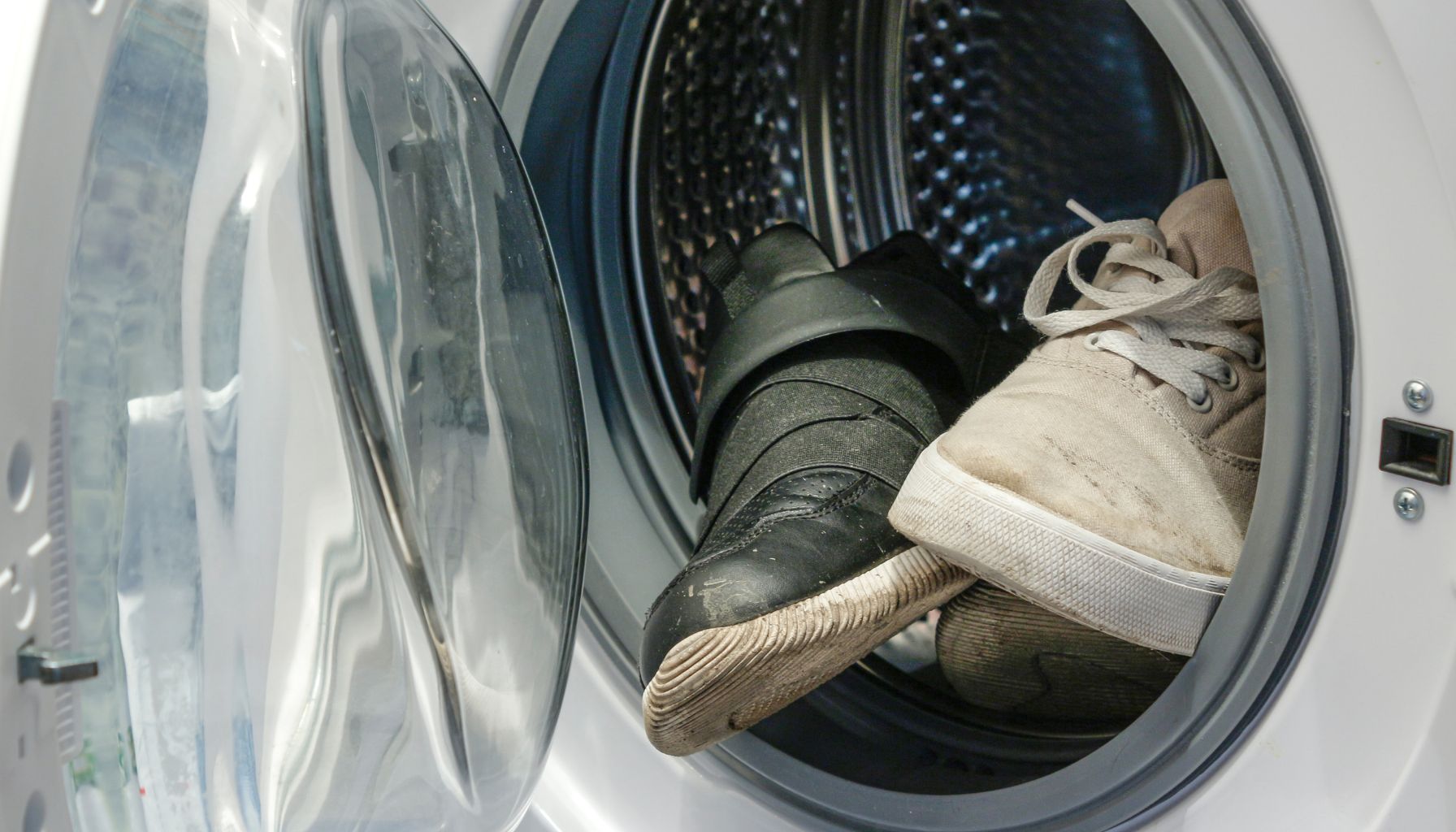
Before tossing your sneakers in the washer, they need to be properly prepared. Remove the laces and insoles to prevent damage. Laces can be washed separately, while insoles are better cleaned by hand. Make sure to get rid of coarse dirt like mud or small stones to avoid damaging the machine. This simple step ensures more effective washing and better protection for your shoes.


Choose the right program

When washing sneakers, it’s crucial to select a gentle wash cycle with a maximum temperature of 30 °C. Avoid high heat, which can weaken glued parts of the shoes. Use a liquid detergent, which dissolves better and doesn’t leave stains. To protect your sneakers during the wash, place them in a laundry bag or an old pillowcase.


How to properly dry sneakers

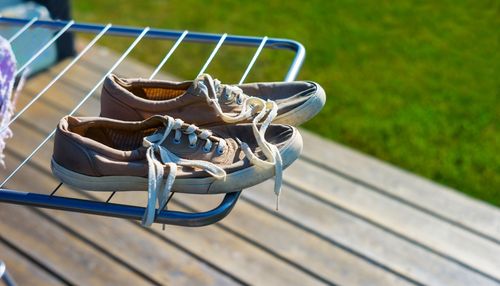
After washing, it’s important to dry your sneakers properly. Never use a dryer, as high temperatures can damage the materials. Instead, let them air dry in a well-ventilated, shaded area to maintain their shape and colour. To help them hold their form, stuff them with dry towels or paper.


How to properly dry sneakers


Not all sneakers are machine-washable

Always check the label on your shoes before washing to see the manufacturer’s recommendations. Leather, suede, or shoes with decorations may require hand cleaning. If you’re unsure, it’s safer to use a gentler method.

Following the right steps when machine washing sneakers will help extend their lifespan and keep them in excellent condition. By sticking to these simple tips, you’ll ensure your shoes stay clean, fresh, and ready for your next adventure.


Listing controls

61 items total
Top