Tips and advice, Page 7

List of articles

How to use baking soda for laundry?

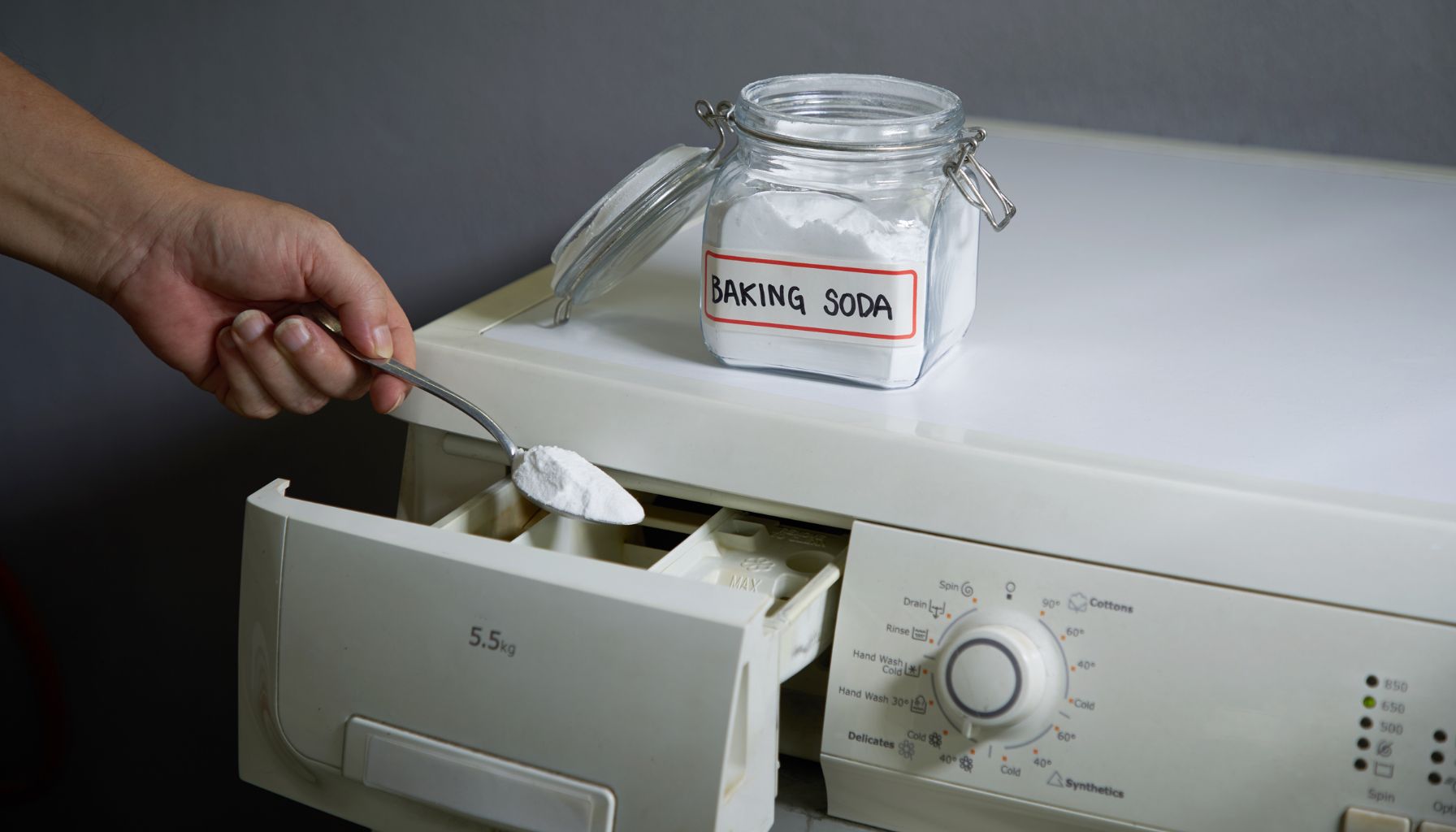
Baking soda is a great natural solution for washing different types of clothes. Thanks to its properties, it’s especially suitable for eliminating odors, removing stains, and softening water, which all improve the overall effectiveness of your laundry. Read on to see which types of clothing benefit the most from using it.

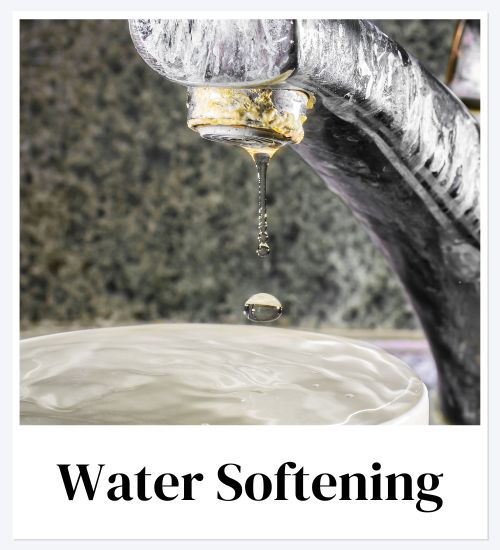
Removes odors Softens water Removes stubborn stains


Why use baking soda?

Baking soda neutralizes odors and enhances washing results by softening the water and helping your detergent dissolve better. In addition, it’s gentle and suitable even for sensitive skin. It’s ideal for removing unpleasant smells from sportswear, bedding, or towels.


What types of clothes is baking soda suitable for?

Baking soda is perfect for sportswear, which absorbs sweat and odors, bed linen and towels, which require deep cleaning, and cotton clothing, which will benefit from added softness and freshness. However, it is not recommended for delicate fabrics, such as silk or wool.


When should you use baking soda?

  1. To remove odors:If you want to get rid of an unpleasant smell, add half a cup of baking soda directly into the washing machine drum along with your detergent. Your laundry will smell fresh and be free of unwanted odors.
  2. To soften water: In areas with hard water, baking soda can act as a natural water softener. Add a quarter cup to the wash cycle to prevent mineral buildup on your clothes.
  3. To remove stains:For effective stain removal, prepare a paste by mixing baking soda with water. Apply directly to the stain, let it sit for a while, then wash the garment as usual.


Important notes

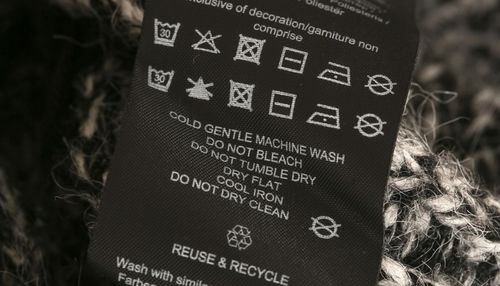
While baking soda is gentle, it’s not suitable for delicate materials like silk or wool, as it may cause damage. Always check the garment’s care label to make sure baking soda is safe for that particular fabric.

Baking soda is a wonderful addition to your laundry routine. Its natural properties and versatility allow you to take care of your clothes effectively, sustainably, and affordably.

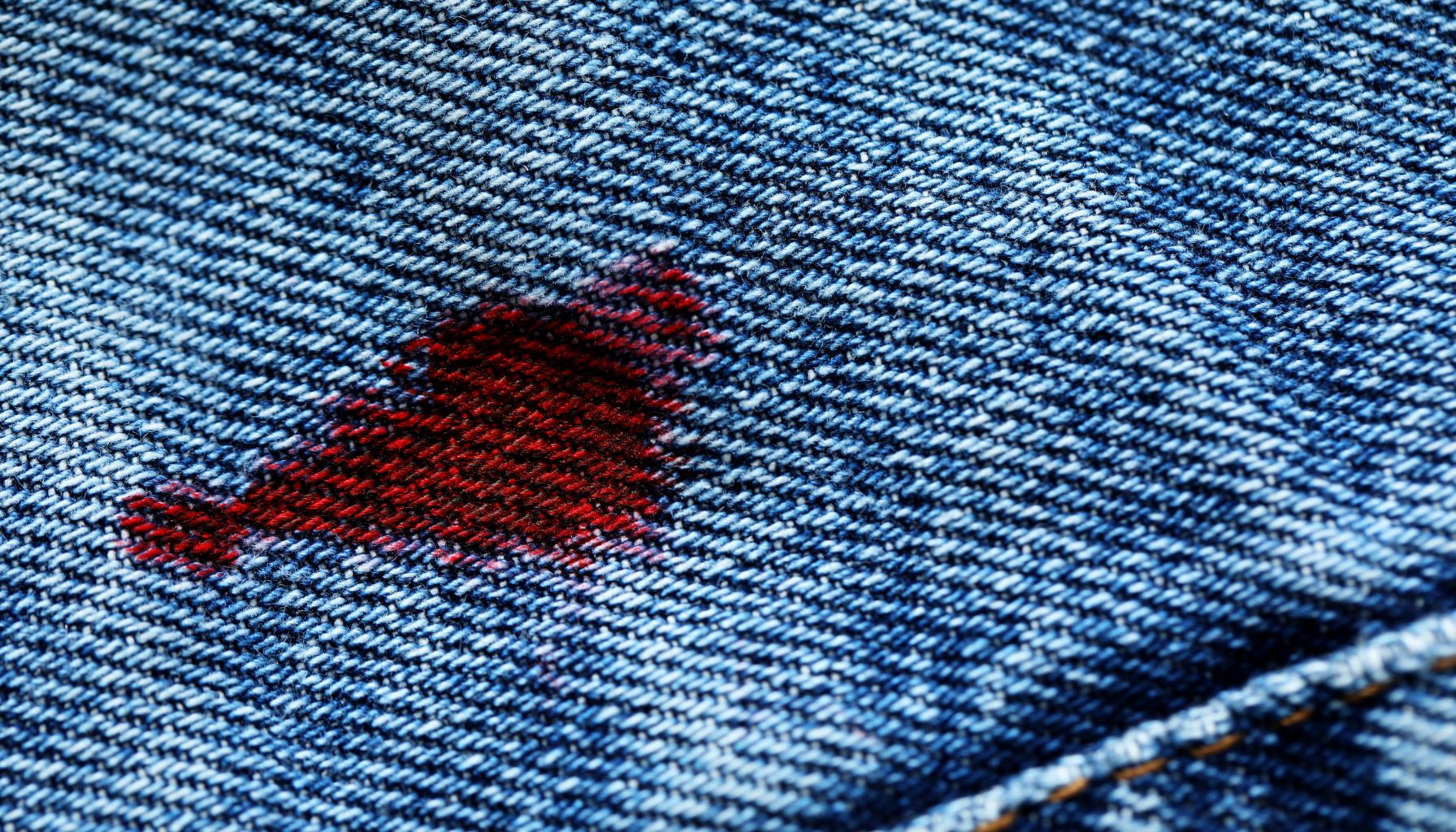
 

How to remove blood from clothes?

Removing blood from clothing can be tricky, especially if the stain has already dried. But with the right method, you can effectively get rid of stains without damaging the fabric. Check out these proven tips on how to tackle this common issue.


The sooner, the better

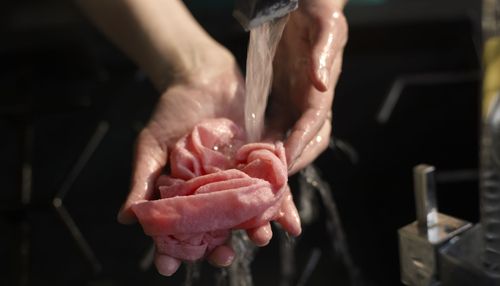
Fresh blood is much easier to remove. As soon as you notice the stain, rinse it under cold water, which helps prevent the blood from setting into the fibers. Never use warm or hot water, as it can "set" the blood, making the stain more stubborn.

Rinse with cold water


Using natural helpers

If water isn’t enough, household products can help. Apply a bit of soap or mild detergent directly to the stain. It penetrates the fibers and loosens any remaining blood. You can also use baking soda mixed with water to form a paste, apply it to the affected area, let it sit briefly, then gently rub and rinse the fabric.


Try special stain removers

For dried stains, it's best to use special stain removers designed for textiles. Apply the product directly to the stain, let it sit for a few minutes, then wash the item according to the instructions on the care label. If you’re unsure whether the product is safe for the fabric, test it first on a less visible part of the garment.


Be careful with delicate fabrics

When dealing with delicate materials like silk or wool, be extra gentle. Use mild detergents and treat stains with care to avoid damaging the fabric. If you’re unsure, it's best to leave the garment to a professional cleaner.


How to prevent permanent stains?

To avoid permanent staining, never postpone cleaning. The sooner you start, the higher your chance of success. After treating the stain, wash the garment immediately following the instructions on the care label, ideally at low temperatures to protect the fabric.

Removing blood from clothes doesn’t have to be complicated as long as you know the right steps and use suitable methods. Whether you opt for home remedies or specialist stain removers, the key is to act fast and gently, so your clothes stay clean and undamaged.


How to Wash Your Jeans?

Jeans are a wardrobe staple loved by people all over the world. To keep their shape, colour, and overall look, it’s important to know how to wash jeans the right way. Frequent washing isn’t necessary, but proper care can seriously extend their lifespan. .


How often should you wash jeans?

You don’t need to wash your jeans after every wear. The fabric is durable, and washing after each use can quickly fade the colour and affect the fit. Ideally, wash them after 5–10 wears, or when you see visible dirt or notice an unpleasant odor.


Turn jeans inside out

Before washing, turn your jeans inside out to prevent the outer layer from fading. This step also reduces fabric friction in the washing drum and helps preserve the colour and structure of your jeans. Turning jeans inside out is a key step for proper jeans washing.


Choose the right washing cycle and temperature

Wash your jeans on a gentle cycle at a nízkej low temperature, ideally up to 30°C. Higher temperatures can shrink the fabric and cause fading. Use only a small amount of detergent so there’s no residue left that could weaken the fibers.

Special detergent


Skip the fabric softener

Fabric softener isn’t suitable for jeans because it can leave residue and reduce the durability of denim. Jeans naturally have a firm structure and don’t need softener to stay comfortable.


Drying

The best way is to let your jeans air dry, hanging or laid flat. Avoid tumble dryers, as they can shrink and damage the fabric. Air drying helps your jeans keep their shape and strength.


Refreshing the colour

If your jeans have faded over time, you can use a special detergent for dark fabrics or colour-restoring products to help bring back their original shade.

Proper washing will help keep your jeans in great condition and ensure they last longer without losing their colour or fit.


Proper Care and Washing of Cashmere

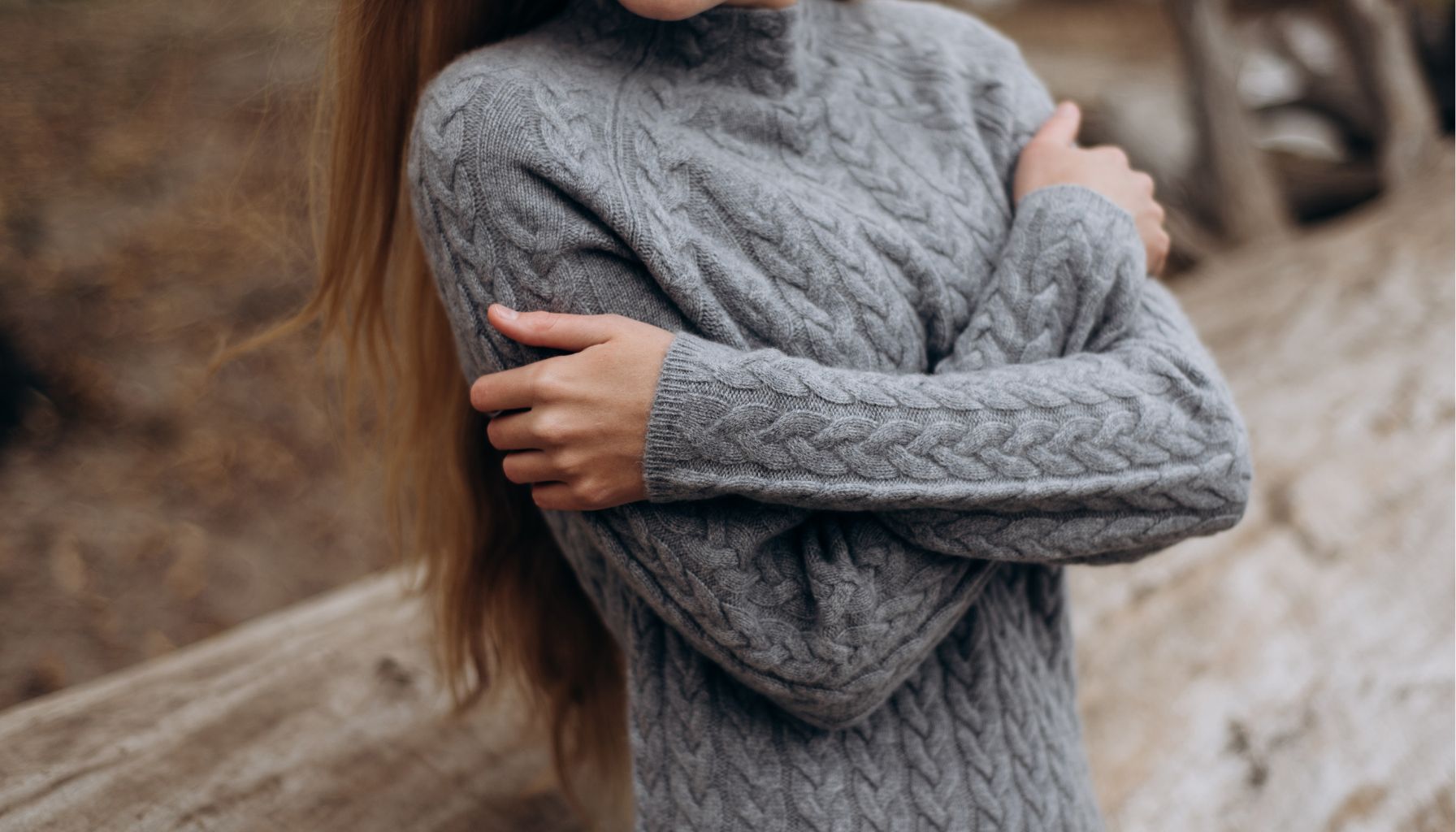
Cashmere clothing is the symbol of luxury and softness. To maintain its exceptional quality, it’s essential to give it special attention and care. Proper cashmere washing is the key to its long lifespan and flawless appearance. This article gives you all the practical tips you need so you can care for your cashmere like a pro.


Preparation Before Washing

Before washing cashmere, it’s important to check the care label on the garment. The label gives you clear instructions to follow. Always separate clothing by colour and avoid washing cashmere with other, rougher fabrics. To remove light dust or surface dirt, it’s best to gently shake out the garment before washing.


Hand washing – the best choice


Hand Washing Is the Best Choice

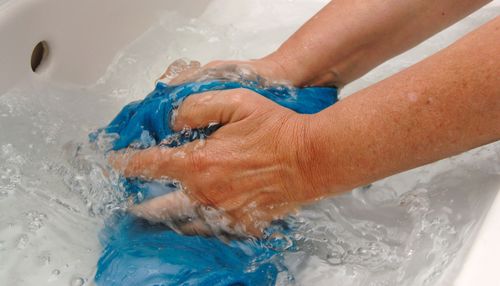
Cashmere is a delicate material, so hand washing is the most suitable method. Fill a basin with lukewarm water and add a small amount of special detergent designed for delicate textiles. Gently submerge the garment and softly massage it, avoiding wringing or vigorous rubbing. After washing, rinse thoroughly with clean water to remove all detergent residues.


Gentle Drying

Proper cashmere care doesn’t end with washing. Drying is just as important. Never use a dryer or hang your cashmere on a hanger, as this can cause it to lose its shape. Instead, gently wrap the garment in a towel to remove excess water, then lay it flat to dry. Make sure you dry it in the shade, away from direct sunlight.


How to Avoid Damage

When caring for cashmere, avoid using bleach or harsh chemical cleaners. If you’re unsure about hand washing, entrust your clothing to a professional cleaner. It’s also a good idea to store your cashmere in a dry place and avoid excessive folding, which can cause creasing.


Conclusion

Proper cashmere washing is a crucial step to keeping its exceptional qualities. By following a few simple, effective rules, you can be confident that your cashmere will remain soft, gentle, and a pleasure to wear. Give it the care it deserves, and it will reward you with timeless elegance.


How to remove wax from clothes

Wax on clothing can be a real challenge, especially if it ends up on your favourite pieces. Fortunately, there are several simple methods to deal with this problem and restore your textiles’ appearance. With a bit of patience and the right steps, you can effectively get rid of wax.


Freeze the wax for easy removal

One of the simplest methods is to use cold. Place the garment in the freezer for a few hours so the wax hardens. Once it's solid, gently peel it off using a dull knife or spatula. This step usually removes most of the wax and makes the next steps easier.


Use heat with caution

If freezing doesn’t do the trick, you can try heat. Place a paper towel or absorbent paper over the wax stain and gently iron the spot with a low heat setting. The heat will melt the wax, and the paper will absorb it. Repeat this process until the stain disappears. Be careful not to let the iron get too hot to avoid damaging the fabric.


Material care is key

Before using any method, check the care label to ensure the fabric can withstand heat or freezing. Delicate fabrics like silk or wool may require professional care. If you’re unsure, it’s best to leave the garment in the hands of cleaning specialists.


Proper fabric care


How to remove wax residue?

Even after removing the wax, greasy stains might remain. To get rid of them, use a special stain remover or a gentle laundry detergent. Apply it directly to the stain, then wash the garment according to the instructions on the label.

Solving the problem of how to remove wax from clothes doesn’t require special tools, just the right method. Thanks to these tips, your clothes will soon be back in great shape and ready to wear again.


How to Wash New Clothes Properly

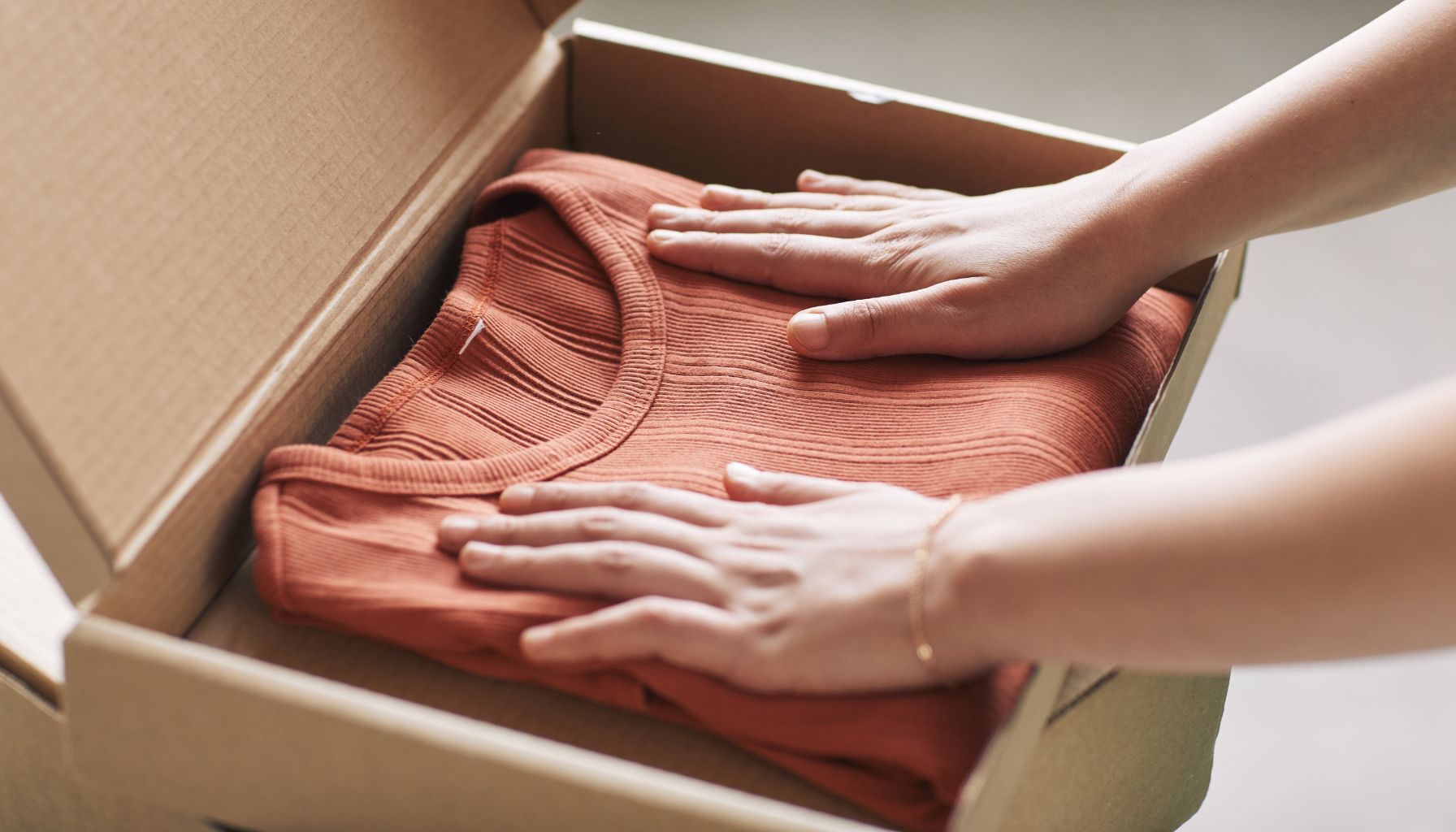
New clothes bring joy, but to enjoy them for a long time, it's important to know how to wash new clothes properly. Washing them before first use ensures the garment stays high quality, safe for the skin, and long-lasting.


Why wash new clothes before wearing them?

During manufacturing and storage, clothes can accumulate chemical residues, dust, or dirt that may irritate your skin. Washing them before wearing removes these substances and prevents dyes from staining other items in the wash.


Read the labels and follow the instructions

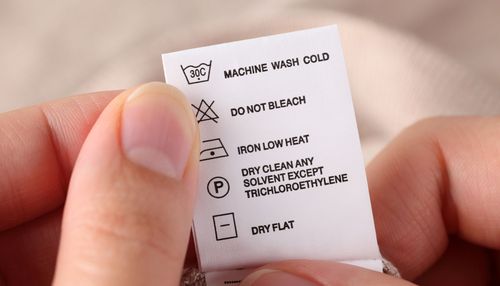
Clothing labels are your guide to proper care. Cotton can handle higher temperatures, while delicate fabrics like silk or wool require gentler cycles and lower temperatures. Following the care instructions helps avoid fabric damage.


Follow care label instructions


How to wash them the first time?

  • Sort by colour:New dark or brightly coloured clothes may bleed dye, so wash them separately from other garments.
  • Gentle detergents: Use mild products for new clothes that protect fibers and remove any leftover chemicals.
  • Wash at low temperatures: Most fabrics tolerate up to 30 °C, which helps preserve colour and shape.


Drying and ironing

After washing, let the clothes air dry. Avoid using a dryer, as high heat may damage or shrink the fabric. When ironing, follow the temperature recommendations on the label to avoid ruining the garment.

How to wash new clothes properly? The secret lies in a gentle approach, careful sorting, and respecting the manufacturer's instructions. These simple steps will help your clothes keep their look, quality, and colour for a long time.


Listing controls

61 items total
Top